

 1 / 3
1 / 3At a Glance
Primary Focus
Treatment Settings
Treatment Approaches
Special Programs
About Anpetu Luta Otipi/Kyle Campus Comprehensive Substance Abuse Program
Anpetu Luta Otipi/Kyle Campus is a substance use treatment center located in Kyle, South Dakota, on the Oglala Lakota County. The facility offers residential treatment, outpatient, and intensive outpatient programs with dedicated aftercare support rooted in Wellbriety and traditional pathways, serving adolescents, young adults, men, women, and court-ordered individuals.
Anpetu Luta Otipi/Kyle Campus is a substance use treatment center situated in Kyle, South Dakota, within Oglala Lakota County. What sets this recovery center apart is its grounding in both formal aftercare structures and traditional Indigenous pathways — including Wellbriety and talking circles — offering a recovery model that reflects the culture and community of the people it serves. For individuals and families looking for a treatment program that goes beyond clinical structure alone, Anpetu Luta Otipi represents a distinct approach to long-term recovery.
The facility provides three levels of care: residential treatment, an outpatient program, and an intensive outpatient program (IOP). Residential treatment is short-term, with program lengths ranging from 30 to 60 days, giving individuals a structured immersive period to stabilize and begin building recovery skills before transitioning to less intensive support. The outpatient and intensive outpatient options allow people to continue their substance abuse treatment while maintaining connections to their home community.
Aftercare is a defined part of the program at Anpetu Luta Otipi. Formal aftercare programs, Wellbriety pathways, and talking circles are available to support people as they move beyond the primary phase of treatment. Trauma and PTSD are among the conditions addressed within the program, recognizing that for many people, unresolved trauma is closely tied to substance use. This integration of aftercare and trauma-focused programming reflects a commitment to recovery that extends well past a 30- or 60-day stay.
Anpetu Luta Otipi/Kyle Campus serves adolescents, young adults ages 18 to 25, men, women, and individuals referred through the court system. Payment options include self-pay and financial assistance, making the program accessible to those without commercial insurance coverage. For individuals and families in Oglala Lakota County seeking a recovery center that weaves community, tradition, and structured clinical care together, this facility offers a meaningful and culturally grounded option.
Residential Treatment and Outpatient Programs in Kyle, SD
Anpetu Luta Otipi/Kyle Campus provides three distinct levels of addiction treatment: short-term residential treatment, a standard outpatient program, and an intensive outpatient program (IOP). The residential program runs 30 to 60 days, offering an immersive period of structured substance abuse treatment before participants step down to outpatient care or aftercare services.
The IOP gives participants a more intensive level of support than standard outpatient while allowing them to remain connected to their home and community. Together, these levels of care create a continuum that supports recovery not just during a clinical stay but through the longer transition that follows.
Aftercare and Community-Based Recovery Support
Recovery doesn't end when a residential stay does, and Anpetu Luta Otipi builds aftercare directly into its model. Formal aftercare programs, Wellbriety pathways, and talking circles are all part of the support structure available to participants as they continue their recovery journey beyond primary treatment.
Wellbriety — a movement that blends the 12-step recovery framework with Indigenous cultural values — and talking circles reflect a community-oriented approach to sobriety. For individuals whose recovery is strengthened by cultural connection and peer community, these aftercare components offer something that standard clinical aftercare programs typically do not.
Who Anpetu Luta Otipi Serves
The Kyle Campus serves a wide range of people seeking substance abuse treatment, including adolescents, young adults between 18 and 25, men, women, and individuals entering treatment through a court order. The program also addresses Trauma and PTSD, which are frequently present alongside substance use disorders, particularly among the populations this center serves.
Payment options include self-pay and financial assistance, reflecting a commitment to keeping the program reachable for community members regardless of insurance status. Families supporting a loved one in recovery will find that the center's structured levels of care — from residential through aftercare — provide clear milestones and ongoing connection.
Substance Abuse Treatment Rooted in Oglala Lakota County
Located in Kyle, South Dakota, within Oglala Lakota County, Anpetu Luta Otipi/Kyle Campus is positioned to serve a region where culturally relevant addiction treatment and recovery resources are critically important. The center's integration of traditional community practices alongside formal clinical programming sets it apart from generic residential treatment options.
Administrative hours run Monday through Friday, 8 AM to 4:30 PM. Individuals or family members looking to learn more about the residential treatment program, outpatient options, or aftercare services can reach the facility directly at (605) 455-2331 or visit anpetuluta.org.
Why Choose Anpetu Luta Otipi/Kyle Campus Comprehensive Substance Abuse Program
- Aftercare includes Wellbriety pathways and talking circles — a culturally grounded model rarely found in standard addiction treatment programs
- Addresses Trauma/PTSD alongside substance use, recognizing the connection between unresolved trauma and long-term recovery
- Serves a broad population including adolescents, young adults, and court-ordered individuals within a single community-centered program
- Residential treatment is offered on a short-term 30- to 60-day model with clear transitions to outpatient and aftercare support
- Financial assistance is available, lowering barriers to access for individuals and families without commercial insurance
Frequently Asked Questions
What levels of care does Anpetu Luta Otipi/Kyle Campus offer?
The facility offers three levels of addiction treatment: residential treatment, a standard outpatient program, and an intensive outpatient program (IOP). These levels allow individuals to move through a continuum of care that supports both early recovery and longer-term stability.
How long is the residential treatment program at Anpetu Luta Otipi?
The primary residential treatment program is short-term, with a duration ranging from 30 to 60 days. Following residential treatment, participants can transition into outpatient programming or formal aftercare support.
What aftercare support is available after completing treatment?
Anpetu Luta Otipi offers formal aftercare programs, Wellbriety pathways, and talking circles as part of its continuing recovery support. These options are designed to keep individuals connected to a recovery community after the primary treatment phase ends.
What is Wellbriety and how does it fit into the program?
Wellbriety is a recovery movement that integrates Indigenous cultural values with a structured recovery framework. At Anpetu Luta Otipi, it is offered as part of the aftercare programming, alongside talking circles, providing a community-rooted path for sustaining sobriety.
Does Anpetu Luta Otipi serve adolescents and young adults?
Yes. The Kyle Campus serves adolescents, young adults ages 18 to 25, as well as adult men and women. Individuals entering treatment through a court order are also accepted into the program.
Does the program address trauma alongside substance use?
Trauma and PTSD are listed among the conditions treated at Anpetu Luta Otipi/Kyle Campus. This reflects an understanding that trauma frequently underlies or co-occurs with substance use disorders, particularly among the populations the center serves.
What payment options are available at Anpetu Luta Otipi?
The center accepts self-pay and offers financial assistance for those who qualify. These options help make the program accessible to individuals and families in Oglala Lakota County who may not have commercial insurance coverage.
Is an intensive outpatient program (IOP) available for those who don't need residential care?
Yes. In addition to residential treatment, the facility offers both a standard outpatient program and an intensive outpatient program. IOP provides a higher level of structured support than standard outpatient while allowing participants to remain in their community during treatment.
How can I contact Anpetu Luta Otipi/Kyle Campus?
The facility can be reached by phone at (605) 455-2331. Administrative hours are Monday through Friday, 8 AM to 4:30 PM. Additional information is available at anpetuluta.org.
Nearby Treatment Centers
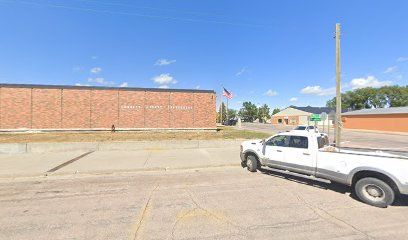
Martin Addiction Recovery Center
Martin, SD
- PHP
- IOP
Substance use treatment · Does not treat opioid addiction · Cognitive behavioral therapy
Accepts: Cash or self-payment, Medicaid

Addiction Recovery Centers of the Black Hills
Hot Springs, SD
- IOP
Substance use treatment · Accepts clients on opioid medication but prescribed elsewhere · Cognitive behavioral therapy
Accepts: Cash or self-payment, Medicaid, State-financed health insurance plan other than Medicaid
VA Black Hills Healthcare System Addictive Disorder Services
Hot Springs, SD
- Residential
- MAT
- Sober Living
Substance use treatment · Accepts clients on opioid medication but prescribed elsewhere · Cognitive behavioral therapy
Accepts: Cash or self-payment, Medicare, Private health insurance
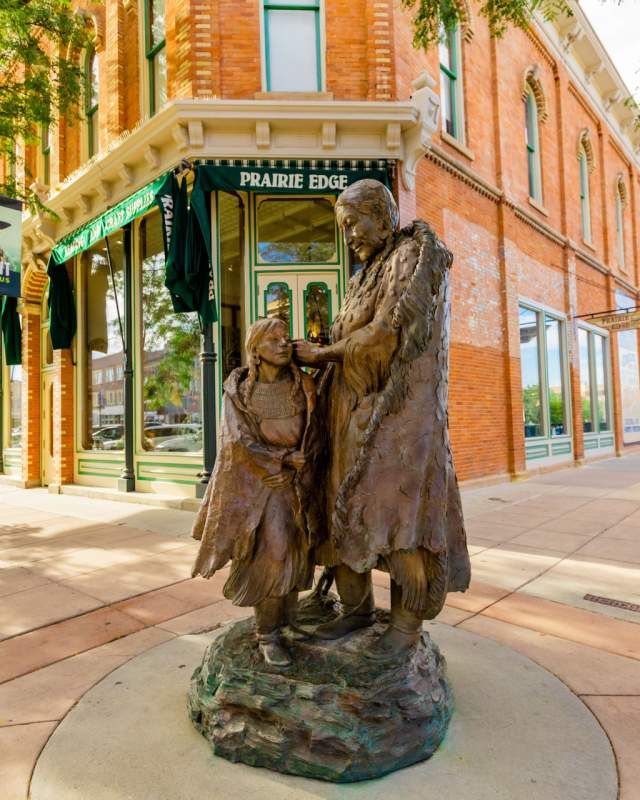
Rapid City CBOC/Outpatient Treatment Program
Rapid City, SD
- IOP
- MAT
Substance use treatment · Accepts clients on opioid medication but prescribed elsewhere · Cognitive behavioral therapy
Accepts: Cash or self-payment, Medicare, Private health insurance
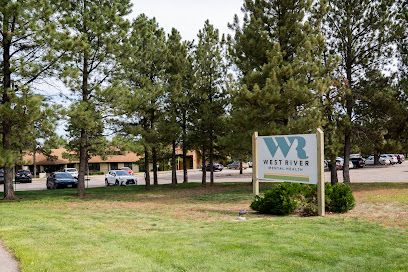
Behavior Management Systems Full Circle
Rapid City, SD
- Residential
- Outpatient
- Sober Living
Substance use treatment · Accepts clients on opioid medication but prescribed elsewhere · Cognitive behavioral therapy
Accepts: Cash or self-payment, Medicaid, Medicare

Wellfully Wellspring Inc
Rapid City, SD
- Residential
- IOP
Substance use treatment · Does not use medication for opioid addiction · Cognitive behavioral therapy
Accepts: Cash or self-payment, Medicaid, State-financed health insurance plan other than Medicaid