CNS Healthcare
Waterford, MI
- Outpatient
- MAT
Substance use treatment · Cognitive behavioral therapy · Dialectical behavior therapy
Accepts: Cash or self-payment, Medicaid, Medicare


Find drug and alcohol rehab centers in Waterford, MI and start your recovery today.
4 centers found (1–4)
Waterford, MI
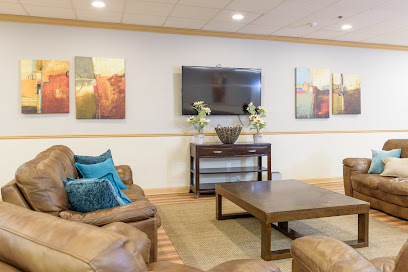
Substance use treatment · Cognitive behavioral therapy · Dialectical behavior therapy
Accepts: Cash or self-payment, Medicaid, Medicare
 1.3 mi
 Waterford, MI
Substance use treatment · SAMHSA-certified Opioid Treatment Program · Cognitive behavioral therapy
Accepts: Cash or self-payment, Medicaid, Medicare
 1.3 mi
 Waterford, MI
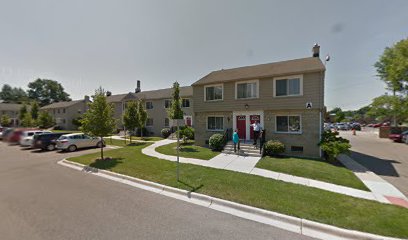
Substance use treatment · Accepts clients on opioid medication but prescribed elsewhere · Cognitive behavioral therapy
Accepts: Cash or self-payment, Medicaid, Medicare
 1.2 mi
 Waterford, MI
Substance use treatment · Accepts clients on opioid medication but prescribed elsewhere · Cognitive behavioral therapy
Accepts: Cash or self-payment, Medicaid, Medicare
Call our sponsored hotline to speak with someone about treatment options near you.
Sober Nation lists 4 treatment centers in Waterford, Michigan, a township in Oakland County in southeastern Michigan. Waterford is part of the Detroit metropolitan area and sits within reach of one of Michigan's largest urban centers. Whether you're looking for treatment in your own community or willing to travel to nearby larger cities, this directory helps you find licensed, verified recovery options. Substance use disorders are medical conditions that respond well to professional treatment and structured support. The centers listed here provide counseling, behavioral therapies, and connections to ongoing care after the initial treatment phase.
All 4 treatment centers in Waterford offer a range of therapeutic approaches and counseling services. Here's what's available at Waterford facilities:
CBT and DBT are talk therapies used in all 4 Waterford centers. CBT helps identify and change thought patterns that fuel substance use. DBT combines individual therapy with skills training and is often used when people experience intense emotions or have unresolved trauma. Trauma-related counseling addresses the underlying experiences that may connect to addiction. Peer support and mentoring connect you with people who understand recovery firsthand.
For specialized levels of care like medical detoxification, residential inpatient treatment, intensive outpatient programs, medication-assisted treatment with buprenorphine, methadone, or naltrexone, or sober living homes, confirm availability with the individual listings. Many programs layer these services based on your specific needs and stage of recovery.
Cost is often a barrier to seeking treatment, but all 4 Waterford centers accept multiple forms of payment and insurance to help make care accessible. Payment options include:
Medicaid is one of the primary funding sources for substance use treatment in Michigan. If you're covered by Medicaid or exploring state-funded options, the Michigan rehab guide offers detailed information on state-specific programs, coverage policies, and how to verify eligibility. Medicare also covers treatment for beneficiaries 65 and older. Private insurance plans vary widely in what they cover, so contacting your insurer before intake helps clarify copays, deductibles, and authorization requirements.
During intake, centers will verify your insurance and walk you through what costs you may be responsible for. If you have limited insurance or no insurance, ask about sliding scale fees, grants, or other financial assistance the program may offer.
Some people prefer to seek treatment outside their home community, whether for privacy, a fresh start, or access to specialized services. If you're willing to travel or want to compare options, several larger cities near Waterford have significantly more treatment centers. Detroit has 41 centers, Grand Rapids has 26, and Flint has 15. Other nearby cities include Lansing with 14 centers, Ann Arbor with 12, and Saginaw with 11.
If travel is difficult due to work, family, or health constraints, many treatment programs now offer telehealth sessions. Telehealth allows you to participate in counseling and group sessions via video or phone, reducing barriers to consistent care. Ask when you call whether a program offers virtual options, and what equipment or settings you'll need for privacy during sessions. Combining telehealth with occasional in-person visits is also an option for many programs.