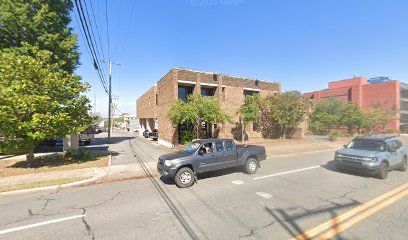
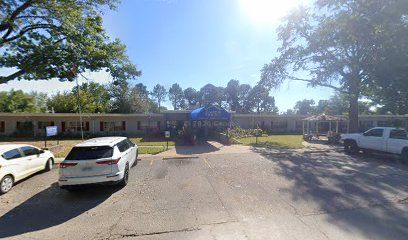
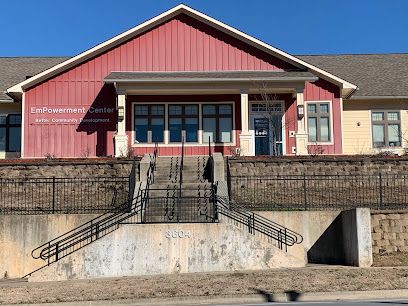
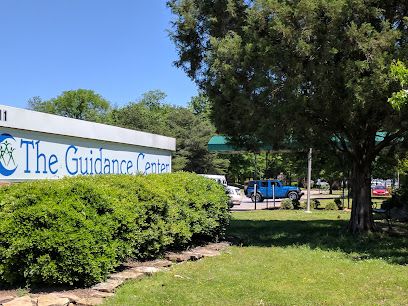
Sober Nation lists 157 treatment centers across Arkansas, and they are heavily concentrated in and around the capital. Little Rock alone accounts for 17 listed centers, followed by Fort Smith with 11 and Russellville with 7. Fayetteville and North Little Rock list 6 each; Hot Springs National Park and Jonesboro list 5 each; and Rogers, Conway, and Pine Bluff round things out with 4 each. That distribution closely tracks the state's population centers and its main highway corridor — useful context if you live in a rural county and are weighing the cost of travel against the value of staying close to home and family during treatment.
For the wider picture, federal survey data tells you more than any single directory can. In 2022–2023, an estimated 17.6% of Arkansans aged 12 or older — roughly 450,000 people — met the criteria for a substance use disorder in the past year, according to SAMHSA's National Survey on Drug Use and Health. That same survey points to a wide treatment gap: about three in four Arkansans classified as needing substance use treatment did not receive any. The state's overdose picture, meanwhile, has improved recently — deaths fell from a 2021 peak of 637 to an estimated 391 in 2024, the lowest total since 2019, even as fentanyl remains the main driver of the overdoses that still occur. Together, those figures give you a sense of scale that a directory count cannot, so read them alongside our listings rather than in place of them.