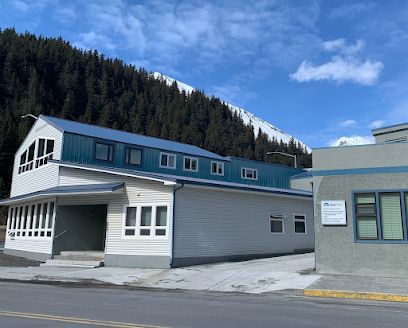
In Alaska, the distance between a person and treatment is often measured in flight hours, not miles. Many communities sit off the road system, reachable only by small plane, boat, or snowmachine, so the question of where to begin recovery is bound up with the practical one of how to get there at all. Care clusters in the road- and rail-belt hubs, while people in rural and Bush communities frequently depend on regional tribal health organizations and telehealth to close the gap.
Alaska Native communities carry a disproportionate share of the state's substance-related harm — in 2024 the drug overdose death rate among American Indian and Alaska Native people reached 101.9 per 100,000, roughly three and a half times the rate for white Alaskans — and also some of the state's deepest recovery traditions, from village-based sobriety movements to culturally grounded wellness programs that fold language, subsistence, and elders into the work of healing. Add long, dark winters, geographic isolation, and one of the highest costs of living in the country, and the choice of a program becomes inseparable from the realities of daily life here. Knowing how the state's system is actually laid out — what exists, where, and who pays for it — is the first real step toward a decision that fits you or your loved one.
Rehab Statistics in Alaska
Sober Nation lists 94 treatment centers across Alaska, and they are distributed the way the state's population is — heavily weighted toward the road-connected hubs. Anchorage alone accounts for 26 of them, followed by Juneau and Fairbanks with 8 each, Wasilla with 7, and Kenai and Ketchikan with 5 apiece. Smaller counts follow in Bethel (4), and then Sitka, Homer, and Soldotna with 2 each. For residents of the many communities that have no listed center, that concentration is the concrete reason telehealth and travel-based care matter so much — the map of providers does not match the map of need.
Statewide context fills in the rest. According to SAMHSA's National Survey on Drug Use and Health, an estimated 21% of Alaskans aged 12 and older met the criteria for a substance use disorder in a given year (2022–2023 combined estimates), and the treatment gap — people who need care but do not receive it — remains wide: among Alaskans classified as needing substance use treatment, nearly four in five (about 79%) did not receive it. Overdose deaths climbed sharply through 2023, reaching a record 357 that year before easing roughly 5% to 339 in 2024 — a far smaller decline than the nation's — and fentanyl was involved in 73% of the state's 2024 overdose deaths, according to the Alaska Department of Health. Together, these figures explain why access, not just facility count, is the central challenge here.
Levels of Care Available in Alaska
Not every program offers every level of care, and in Alaska the mix leans toward community-based options. Outpatient care — where you live at home and attend scheduled counseling or group sessions — is by far the most available, offered by 82% of listed centers, which makes it the most realistic first step for many people, especially outside the largest cities. Aftercare, the ongoing support that follows a primary program, is nearly universal at 90%. Medication-assisted treatment (MAT), which pairs FDA-approved medications such as buprenorphine with counseling for opioid or alcohol use, is available at 48% of centers. The more intensive levels are scarcer: residential, or live-in, programs are offered by 24%, and medically supervised detox — the safest way to withdraw from alcohol, opioids, or benzodiazepines — by just 13%. If you or your loved one is likely to need detox or a residential bed, plan early, because those slots are limited and may require travel to a hub city to reach.