
Greater Seacoast Community Health DBA Goodwin Community Health
Somersworth, NH
- Detox
- IOP
- MAT
Substance use treatment · Cognitive behavioral therapy · Dialectical behavior therapy
Accepts: Cash or self-payment, Medicaid, Medicare


Find a free or private addiction rehab center in New Hampshire. Use our search-by-city tool to find recovery near you.
84 centers found (1–20)
Somersworth, NH
Substance use treatment · Cognitive behavioral therapy · Dialectical behavior therapy
Accepts: Cash or self-payment, Medicaid, Medicare
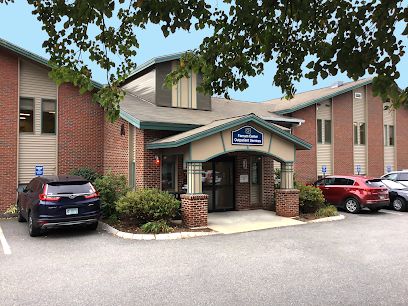
Manchester, NH
Substance use treatment · Accepts clients on opioid medication but prescribed elsewhere · Cognitive behavioral therapy
Accepts: Cash or self-payment, Medicaid, Medicare
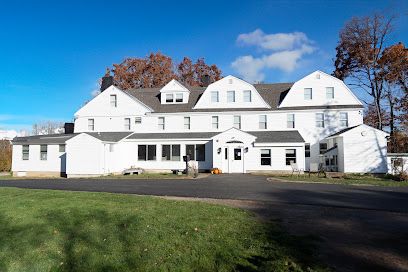
Dublin, NH
Substance use treatment · Accepts clients on opioid medication but prescribed elsewhere · Cognitive behavioral therapy
Accepts: Cash or self-payment, Medicaid, Private health insurance
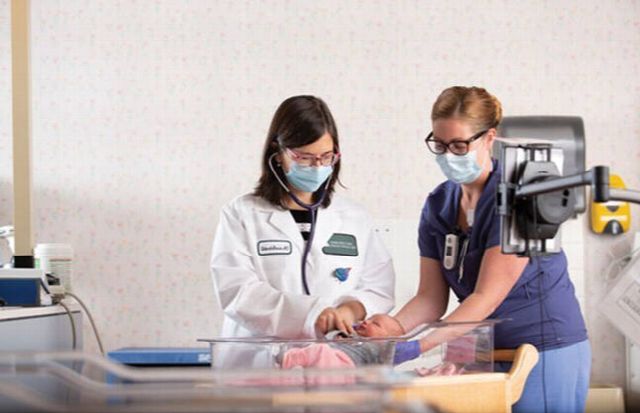
Lebanon, NH
Substance use treatment · Cognitive behavioral therapy · Dialectical behavior therapy
Accepts: Cash or self-payment, Medicaid, Medicare

Manchester, NH
Substance use treatment · Accepts clients on opioid medication but prescribed elsewhere · Cognitive behavioral therapy
Accepts: Cash or self-payment, Medicaid, Medicare

Canterbury, NH
Substance use treatment · Accepts clients on opioid medication but prescribed elsewhere · Cognitive behavioral therapy
Accepts: Cash or self-payment, Medicaid, Private health insurance

Manchester, NH
Substance use treatment · Accepts clients on opioid medication but prescribed elsewhere · Cognitive behavioral therapy
Accepts: Cash or self-payment, Medicaid, Medicare
Hudson, NH
Substance use treatment · All Clients in Opioid Treatment Program · SAMHSA-certified Opioid Treatment Program
Accepts: Cash or self-payment, Medicaid, Medicare
Manchester, NH
Substance use treatment · Cognitive behavioral therapy · Dialectical behavior therapy
Accepts: Cash or self-payment, Private health insurance, Military insurance
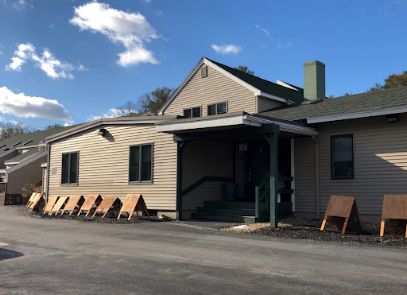
Portsmouth, NH
Substance use treatment · Accepts clients on opioid medication but prescribed elsewhere · Cognitive behavioral therapy
Accepts: Cash or self-payment, Medicaid, Medicare
Antrim, NH
Substance use treatment · Cognitive behavioral therapy · Dialectical behavior therapy
Accepts: Cash or self-payment, Medicaid, Private health insurance
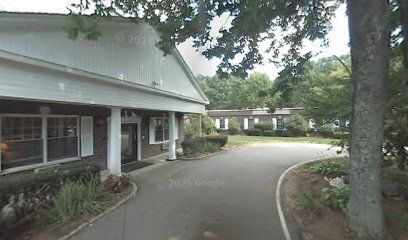
Hampstead, NH
Substance use treatment · Accepts clients on opioid medication but prescribed elsewhere · Cognitive behavioral therapy
Accepts: Cash or self-payment, Medicare, Private health insurance

Swanzey, NH
Substance use treatment · All Clients in Opioid Treatment Program · SAMHSA-certified Opioid Treatment Program
Accepts: Cash or self-payment, Medicaid, Private health insurance
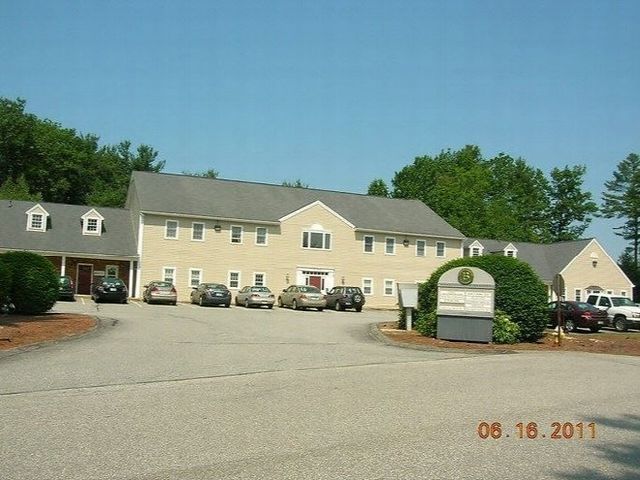
Londonderry, NH
Substance use treatment · Accepts clients on opioid medication but prescribed elsewhere · Cognitive behavioral therapy
Accepts: Cash or self-payment, Medicaid, State-financed health insurance plan other than Medicaid
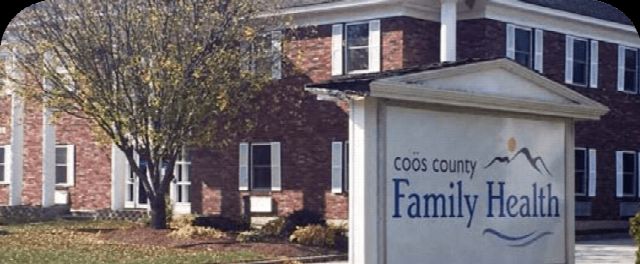
Berlin, NH
Substance use treatment · Cognitive behavioral therapy · Dialectical behavior therapy
Accepts: Cash or self-payment, Medicaid, Medicare

Hampton, NH
Substance use treatment · Accepts clients on opioid medication but prescribed elsewhere · Cognitive behavioral therapy
Accepts: Cash or self-payment, State-financed health insurance plan other than Medicaid, Private health insurance
Portsmouth, NH
Substance use treatment · Cognitive behavioral therapy · Dialectical behavior therapy
Accepts: Cash or self-payment, Medicaid, Medicare

Manchester, NH
Substance use treatment · Accepts clients on opioid medication but prescribed elsewhere · Cognitive behavioral therapy
Accepts: Cash or self-payment, Medicaid, Medicare

Nashua, NH
Substance use treatment · Accepts clients on opioid medication but prescribed elsewhere · Cognitive behavioral therapy
Accepts: Cash or self-payment, Medicaid, Medicare
Plymouth, NH
Substance use treatment · Dialectical behavior therapy · Substance abuse counseling
Accepts: Cash or self-payment, Medicaid, Medicare
Our sponsored hotline can help you compare treatment options and next steps.
Sober Nation lists 84 treatment centers across New Hampshire, and they are concentrated where the population is. Manchester leads with 12 listed centers, followed by Nashua with 7, Concord with 6, and Lebanon with 5. Portsmouth and Keene each list 4, Dover and Franklin each list 3, and Hudson and Londonderry each list 2. That distribution tracks the state's geography closely — the southern tier and the Merrimack and Connecticut River valleys hold most of the options, while the rural North Country has comparatively few. For someone in Coos County or the far north, the practical takeaway is that reaching detox or residential care may mean traveling south.
Beyond the listings, statewide context matters. In 2022–2023, an estimated 18.5% of New Hampshire residents ages 12 and older met the criteria for a substance use disorder, and among those who needed treatment, roughly 74% did not receive it (SAMHSA, 2022–2023 National Survey on Drug Use and Health). New Hampshire's overdose crisis has been driven heavily by fentanyl; the state's death rate ranked among the nation's highest at the peak of the epidemic, though overdose deaths have declined sharply in the most recent data (New Hampshire Drug Monitoring Initiative; CDC). Figures like these shift year to year, so treat any single number as a snapshot rather than a verdict on your own options.
Among listed New Hampshire centers, 89% offer outpatient care and 88% offer aftercare — the two most widely available levels, and often where people either begin treatment or continue it after something more intensive. Outpatient care lets you live at home while attending scheduled counseling and group sessions, which suits people with work, school, or family obligations and a stable place to stay. Aftercare — alumni groups, ongoing counseling, and relapse-prevention planning — supports the fragile early months when the risk of returning to use is highest.
Medication-assisted treatment (MAT), offered by 42% of listed centers, pairs FDA-approved medications such as buprenorphine or naltrexone with counseling, and is a first-line standard of care for opioid use disorder. Detox, available at 26% of centers, provides medically supervised withdrawal and is usually the entry point when physical dependence is present. Residential care, at 19%, means living on-site for structured, round-the-clock support. Many programs here also treat co-occurring mental health conditions alongside substance use, since the two so often travel together. Because detox and residential beds are lower in supply, plan ahead — while outpatient and MAT are generally easier to reach quickly.
Coverage often matters as much as clinical fit, because the best-matched program is only useful if you can afford it. Among listed New Hampshire centers, 88% accept Medicaid and 46% accept Medicare — a notably wide Medicaid footprint that reflects the state's decision to expand Medicaid under the Granite Advantage Health Care Program, New Hampshire's adoption of the Affordable Care Act's Medicaid expansion (KFF). If you are enrolled in Medicaid, that 88% figure means the large majority of listed facilities are a realistic option rather than a long shot, which is not true in every state.
Private insurance is also widely accepted, and the federal Mental Health Parity and Addiction Equity Act (MHPAEA) requires most plans that cover substance use and mental health care to do so on terms no more restrictive than those applied to other medical and surgical care (CMS). For people who are uninsured, New Hampshire's Bureau of Drug and Alcohol Services — the state's Single State Agency for substance use — funds public treatment and can point you toward sliding-scale or state-supported care (NH DHHS). Before committing anywhere, call the facility and confirm exactly what your plan covers — deductibles, session limits, prior authorization, and whether the specific level of care you need is included. Do your research and ask questions; you are your own best advocate.
A few New Hampshire organizations are worth saving before you need them.
Treat these as starting points rather than endorsements, and verify current hours and services when you reach out.