SC
Palmetto Intervention And Recovery
Goose Creek, SC
- Outpatient
Mental Health And Substance Use Disorder · Therapeutic, 12 Step, Faith Based · Veterans, Lgbtq

Find a free or private addiction rehab center in South Carolina. Use our search-by-city tool to find recovery near you.
Goose Creek, SC
Mental Health And Substance Use Disorder · Therapeutic, 12 Step, Faith Based · Veterans, Lgbtq
114 centers found (1–20)

Hilton Head Island, SC
Substance use treatment · Cognitive behavioral therapy · Dialectical behavior therapy
Accepts: Cash or self-payment, State-financed health insurance plan other than Medicaid, Private health insurance

Columbia, SC
Substance use treatment · Accepts clients on opioid medication but prescribed elsewhere · Cognitive behavioral therapy
Accepts: Cash or self-payment, Medicaid, Medicare

Charleston, SC
Substance use treatment · SAMHSA-certified Opioid Treatment Program · Cognitive behavioral therapy
Accepts: Cash or self-payment, Medicaid, State-financed health insurance plan other than Medicaid

Charleston, SC
Substance use treatment · Cognitive behavioral therapy · Dialectical behavior therapy
Accepts: Medicaid, Private health insurance, Military insurance

Lexington, SC
Substance use treatment · Accepts clients on opioid medication but prescribed elsewhere · Cognitive behavioral therapy
Accepts: Cash or self-payment, Medicaid, Medicare
Florence, SC
Substance use treatment · Accepts clients on opioid medication but prescribed elsewhere · Cognitive behavioral therapy
Accepts: Cash or self-payment, Medicaid, State-financed health insurance plan other than Medicaid

Mullins, SC
Substance use treatment · Accepts clients on opioid medication but prescribed elsewhere · Cognitive behavioral therapy
Accepts: Cash or self-payment, Medicaid, State-financed health insurance plan other than Medicaid

Columbia, SC
Substance use treatment · Cognitive behavioral therapy · Dialectical behavior therapy
Accepts: State-financed health insurance plan other than Medicaid, Private health insurance, Military insurance
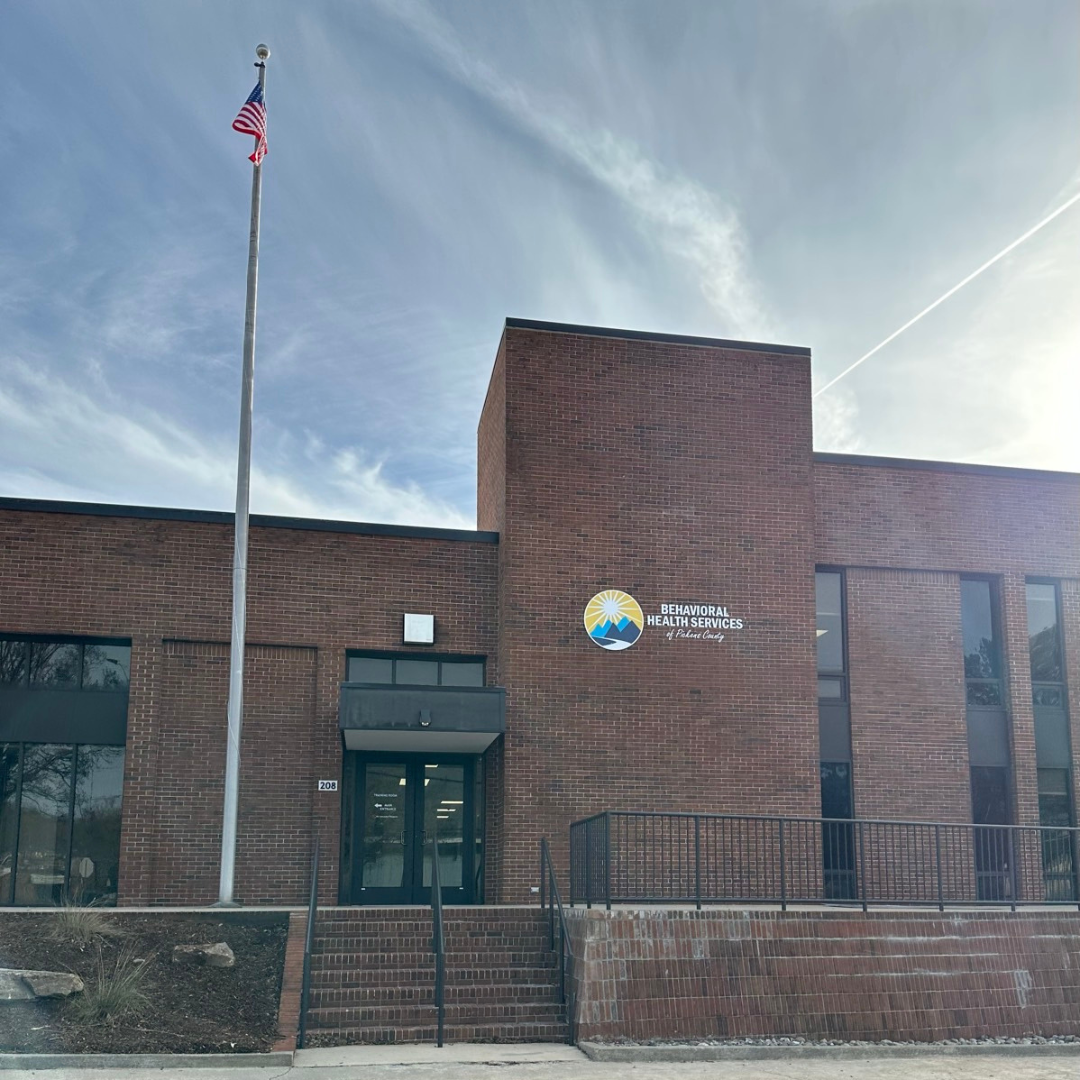
Pickens, SC
Substance use treatment · Cognitive behavioral therapy · Dialectical behavior therapy
Accepts: Cash or self-payment, Medicaid, State-financed health insurance plan other than Medicaid
Hartsville, SC
Substance use treatment · Accepts clients on opioid medication but prescribed elsewhere · Cognitive behavioral therapy
Accepts: Cash or self-payment, Medicaid, State-financed health insurance plan other than Medicaid

Dillon, SC
Substance use treatment · Accepts clients on opioid medication but prescribed elsewhere · Cognitive behavioral therapy
Accepts: Cash or self-payment, Medicaid, State-financed health insurance plan other than Medicaid

Greenwood, SC
Substance use treatment · All Clients in Opioid Treatment Program · SAMHSA-certified Opioid Treatment Program
Accepts: Cash or self-payment, Medicaid, Medicare

Barnwell, SC
Substance use treatment · Accepts clients on opioid medication but prescribed elsewhere · Cognitive behavioral therapy
Accepts: Cash or self-payment, Medicaid, State-financed health insurance plan other than Medicaid

Orangeburg, SC
Substance use treatment · Cognitive behavioral therapy · Substance abuse counseling
Accepts: Cash or self-payment, Medicaid, Private health insurance

Ridgeland, SC
Substance use treatment · All Clients in Opioid Treatment Program · SAMHSA-certified Opioid Treatment Program
Accepts: Cash or self-payment, Medicaid, Active duty military
North Charleston, SC
Substance use treatment · Accepts clients on opioid medication but prescribed elsewhere · Cognitive behavioral therapy
Accepts: Cash or self-payment, Medicaid, Medicare

Sumter, SC
Substance use treatment · Accepts clients on opioid medication but prescribed elsewhere · Cognitive behavioral therapy
Accepts: Cash or self-payment, Medicaid, State-financed health insurance plan other than Medicaid

North Charleston, SC
Substance use treatment · SAMHSA-certified Opioid Treatment Program · Cognitive behavioral therapy
Accepts: Cash or self-payment, Medicaid, Medicare

Charleston, SC
Substance use treatment · Cognitive behavioral therapy · Dialectical behavior therapy
Accepts: Cash or self-payment, Medicaid, Medicare
Orangeburg, SC
Substance use treatment · Cognitive behavioral therapy · Substance abuse counseling
Accepts: Cash or self-payment, Medicaid, Private health insurance
Our sponsored hotline can help you compare treatment options and next steps.
Sober Nation lists 114 treatment centers across South Carolina, and they cluster where the population does. Greenville has the most listed programs at 13, followed by Columbia with 9 and Florence with 6. The Charleston metro is divided across its municipalities — Charleston proper and North Charleston list 4 centers each — while Lexington, Conway, Myrtle Beach, West Columbia, and Hartsville each list 3. That pattern mirrors the Upstate and Midlands population centers and leaves the rural stretches in between comparatively underserved, which is part of why online directories and telehealth increasingly fill the gap for outlying counties. If you live outside these hubs, expect to travel for certain levels of care.
Beyond the listings, statewide substance use prevalence sits roughly in line with national figures: about 16.9% of South Carolinians aged 12 or older — roughly one in six — met the criteria for a substance use disorder in 2022–2023, and more than three-quarters of those who needed treatment, 76.2%, did not receive it (SAMHSA, National Survey on Drug Use and Health). Drug overdose mortality, driven for years by illicitly manufactured fentanyl mixed into the heroin and counterfeit pill supply, climbed for roughly a decade before reversing sharply: South Carolina recorded 2,157 overdose deaths in 2023 and 1,481 in 2024 — a 31% drop and the second consecutive annual decline, though fentanyl was still involved in 914 of those 2024 deaths (South Carolina Department of Public Health). Read the center counts as a map of where care is concentrated today, not as a measure of where the need is greatest. Even so, a listing's presence tells you a program exists, not whether it has an open bed this week — always call ahead.
The listed centers skew heavily toward outpatient and continuing care, and that shapes where most people realistically begin. Outpatient programs — offered by 83% of listed South Carolina centers — let you keep living at home, working, or caring for family while attending scheduled treatment sessions, which makes them the most common entry point. Aftercare is even more widely available at 86%; it's the relapse-prevention groups, alumni support, and ongoing counseling that follow an initial course of treatment and, for many people, matter most for staying well long-term.
Medically supervised detox is far narrower at 24%. If withdrawal from alcohol, benzodiazepines, or opioids needs clinical monitoring — and for those substances it genuinely can — you may have fewer options nearby and should confirm availability before you arrive rather than after. Residential, or inpatient, care, where you live on-site for the duration, is offered by 18% of listed centers. Medication-assisted treatment — buprenorphine, methadone, or naltrexone for opioid or alcohol use disorder — appears at 25%. There is no single right starting level; it depends on the substance, your history, and your support at home. Ask each program directly what it provides.
Cost is usually the first real obstacle, so start by matching your coverage to what centers actually accept. Among listed South Carolina programs, 81% accept Medicaid and 28% accept Medicare. If you're covered by Healthy Connections — the state's Medicaid program — that means most listed centers are, on paper, within reach. The complication is eligibility rather than acceptance: South Carolina has not adopted Medicaid expansion under the Affordable Care Act — KFF estimates roughly 65,000 low-income adults fall into the resulting coverage gap — so many childless adults above a low income threshold don't qualify for the program at all, even though the centers themselves take it.
If you're uninsured or fall into that coverage gap, the state's county alcohol and drug abuse authorities — funded through the Office of Substance Use Services — provide publicly funded and sliding-scale treatment based on your ability to pay, which is often the most realistic route; they can also point uninsured residents toward grant-funded slots when private options are out of reach. For those with private insurance, the federal Mental Health Parity and Addiction Equity Act requires plans that cover substance use treatment to do so on terms no more restrictive than other medical care (Centers for Medicare & Medicaid Services), though deductibles and network rules still vary widely. Before you commit anywhere, call the admissions line and ask exactly what your specific plan covers and what you'll owe.
South Carolina's lead agency for addiction services is the Office of Substance Use Services — formerly the standalone South Carolina Department of Alcohol and Other Drug Abuse Services (DAODAS), folded in 2025 into the new Department of Behavioral Health and Developmental Disabilities (BHDD) — which oversees the county-level alcohol and drug abuse authorities that deliver publicly funded treatment statewide (bhdd.sc.gov). If you're not sure where to begin, start there and ask for your local authority. For the mental health struggles that so often accompany substance use — both for the person in treatment and for the family around them — NAMI South Carolina, the state chapter of the National Alliance on Mental Illness, offers free education, support groups, and a helpline. And if you or someone you love is in crisis right now, the 988 Suicide and Crisis Lifeline connects you with trained counselors 24/7 by phone or text to 988. Treat these as starting points, and confirm current services directly.