


At a Glance
Location
6902 South Peek Road, Richmond, TX 77407
Phone
832-535-2770Primary Focus
Treatment Settings
Treatment Approaches
Special Programs
About Westpark Springs Hospital
Westpark Springs Hospital in Richmond, TX offers a full continuum of addiction treatment — from medical detox through residential treatment, outpatient programs, and IOP — for adults, adolescents, veterans, and other populations navigating recovery. The facility treats co-occurring disorders and trauma alongside alcohol and drug addiction, with alumni support available as part of the longer recovery process.
Westpark Springs Hospital is a substance use treatment facility located at 6902 South Peek Road in Richmond, Texas, within Fort Bend County. Operating 24 hours a day, the center provides structured care across multiple levels, positioning itself as a recovery resource for individuals ready to address addiction alongside the mental health conditions that often accompany it — including trauma, PTSD, and co-occurring disorders. For families and individuals in the greater Houston area evaluating a long-term recovery partner rather than a single-stop intervention, Westpark Springs offers a range of programming under one roof.
The facility's continuum of care includes medical detox, residential treatment, a standard outpatient program, and an intensive outpatient program (IOP). That four-level structure allows individuals to enter at the most clinically appropriate point and step down through levels of care as their recovery progresses — a critical feature for those planning a sustained path through treatment rather than a single episode of care. Medical detox is available for those who need a supervised start before transitioning into residential or outpatient programming.
Clinical work at Westpark Springs draws on Cognitive Behavioral Therapy (CBT), Dialectical Behavior Therapy (DBT), trauma-informed treatment, and medication management. These methods are applied within a setting that includes patient rooms, therapeutic spaces, outdoor courtyards, activity-based therapy rooms, and communal areas — an environment designed to support both structured treatment and the kind of peer connection that many in long-term recovery identify as foundational. Alumni support is offered as an aftercare resource, giving graduates a continued connection to the recovery community after discharge.
Westpark Springs serves a notably broad population: adolescents, young adults (18–25), men, women, seniors and older adults, veterans, pregnant women, and individuals with HIV/AIDS or who are deaf or hard of hearing. Payment options include Medicaid, Medicare, TRICARE, private insurance, state insurance, and self-pay. That combination of inclusive admissions and diverse programming makes it a facility worth serious consideration for families and individuals across the recovery spectrum.
A Full Continuum of Addiction Treatment in Fort Bend County
Westpark Springs Hospital offers four distinct levels of addiction treatment: medical detox, residential treatment, an outpatient program, and an intensive outpatient program (IOP). For individuals and families planning more than a short-term intervention, that continuum matters. It means someone can begin with medically supervised detox and transition into residential care, then move into IOP or outpatient programming as stability builds — all within the same treatment system.
The facility operates around the clock, which supports both planned admissions and those arriving at more urgent moments in their recovery. Being located in Richmond, TX within Fort Bend County, Westpark Springs serves a region that has seen significant population growth and increasing demand for accessible substance abuse treatment and recovery center options close to home.
Treating Addiction and Co-Occurring Disorders Together
Westpark Springs Hospital is structured to address alcohol addiction and drug addiction alongside the mental health conditions that frequently co-occur — including trauma, PTSD, and dual diagnosis presentations. Rather than treating addiction in isolation, the clinical model incorporates Cognitive Behavioral Therapy (CBT), Dialectical Behavior Therapy (DBT), trauma-informed treatment, and medication management as confirmed therapeutic tools.
This integrated approach is particularly relevant for individuals whose substance use is entangled with unresolved trauma or a mental health diagnosis. For families supporting a loved one through recovery, the facility's dual diagnosis capability means that underlying contributors to addiction are addressed as part of the treatment plan — not deferred to a later, separate process.
Community, Aftercare, and Alumni Support
Recovery does not end at discharge, and Westpark Springs acknowledges that through its alumni support program. For individuals completing residential treatment or stepping down from IOP, continued connection to a recovery community can be a significant factor in long-term outcomes. Alumni support provides that ongoing relationship with the center and peers who have shared similar experiences.
The facility itself includes communal areas, outdoor courtyards, and activity-based therapy rooms — physical spaces that reflect an understanding that recovery involves more than clinical appointments. These environments support the peer connection and structured daily rhythm that many people in longer-term recovery identify as central to maintaining sobriety after leaving a residential treatment setting.
Who Westpark Springs Serves
The population diversity at Westpark Springs is one of its more distinctive characteristics. The facility serves adolescents, young adults (18–25), adults, seniors and older adults, men, women, veterans, pregnant women, individuals with HIV/AIDS, and those who are deaf or hard of hearing. Few regional addiction treatment and recovery centers confirm that range of specialized populations in a single setting.
Payment access is correspondingly broad: Medicaid, Medicare, TRICARE, private insurance, state insurance, and self-pay are all accepted. For veterans specifically, TRICARE acceptance removes a common financial barrier to residential treatment and IOP. Families evaluating long-term recovery options for a loved one who falls into any of these populations will find that Westpark Springs has structured its admissions to reduce the barriers that often delay entry into care.
Why Choose Westpark Springs Hospital
- Full continuum from medical detox through residential treatment and IOP — supporting step-down recovery planning, not just a single level of care
- Treats co-occurring disorders and trauma/PTSD alongside addiction, with CBT, DBT, and trauma-informed methods confirmed in clinical practice
- Alumni support program provides a post-discharge community connection, extending the recovery relationship beyond residential or outpatient care
- Serves an unusually wide range of populations — including veterans (with TRICARE accepted), adolescents, pregnant women, seniors, and individuals who are deaf or hard of hearing
- Open 24 hours with self-pay, Medicaid, Medicare, TRICARE, private insurance, and state insurance all accepted — reducing access barriers across financial situations
Frequently Asked Questions
What levels of addiction treatment does Westpark Springs Hospital offer?
Westpark Springs offers four levels of care: medical detox, residential treatment, an outpatient program, and an intensive outpatient program (IOP). This continuum allows individuals to enter at the most appropriate level and transition through care as their recovery progresses. The facility operates 24 hours a day, supporting admissions at any stage.
Does Westpark Springs Hospital provide medical detox?
Yes. Medical detox is one of the confirmed levels of care at Westpark Springs Hospital in Richmond, TX. It serves as an entry point for individuals who need supervised withdrawal management before transitioning into residential treatment or a lower level of outpatient care.
Does Westpark Springs treat co-occurring mental health conditions alongside addiction?
Yes. Westpark Springs Hospital treats co-occurring disorders and dual diagnosis presentations, as well as trauma and PTSD, in addition to alcohol and drug addiction. The clinical team uses CBT, DBT, trauma-informed treatment, and medication management as part of the treatment process.
What therapy approaches are used at Westpark Springs?
Confirmed therapeutic methods at Westpark Springs include Cognitive Behavioral Therapy (CBT), Dialectical Behavior Therapy (DBT), trauma-informed treatment, and medication management. These approaches are applied across the facility's levels of care, including residential treatment and the intensive outpatient program.
Does Westpark Springs have an aftercare or alumni program?
Yes. Westpark Springs offers alumni support as part of its aftercare resources. This provides individuals who complete treatment with continued connection to a recovery community, which many people in long-term recovery identify as a meaningful factor in maintaining sobriety after discharge.
What populations does Westpark Springs Hospital serve?
Westpark Springs serves a broad range of populations including adolescents, young adults (18–25), men, women, seniors and older adults, veterans, pregnant women, individuals with HIV/AIDS, and those who are deaf or hard of hearing. This makes it one of the more inclusive addiction treatment options in the Fort Bend County area.
Does Westpark Springs accept Medicaid, Medicare, or TRICARE?
Yes. Westpark Springs accepts Medicaid, Medicare, and TRICARE, in addition to private insurance, state insurance, and self-pay. TRICARE acceptance is particularly relevant for veterans and active-duty service members seeking residential treatment or outpatient programming.
Is Westpark Springs a good option for veterans seeking addiction treatment?
Westpark Springs confirms veterans as a population it serves and accepts TRICARE as a payment method. The facility's treatment of co-occurring disorders, including trauma and PTSD, may be particularly relevant for veterans whose substance use intersects with these conditions. Both residential treatment and IOP are available as levels of care.
What is an intensive outpatient program (IOP) and does Westpark Springs offer one?
An intensive outpatient program allows individuals to receive structured addiction treatment during scheduled sessions while living at home or in a sober living environment. Westpark Springs confirms IOP as one of its levels of care, making it an option for people stepping down from residential treatment or those whose situation does not require full-time residential placement.
Where is Westpark Springs Hospital located and how can I contact them?
Westpark Springs Hospital is located at 6902 South Peek Road in Richmond, Texas 77407, in Fort Bend County. The facility operates 24 hours a day and can be reached by phone at (832) 535-2770 or by email at [email protected].
Nearby Treatment Centers
New Dimensions Day Treatment Centers Katy
Katy, TX
- PHP
- IOP
Substance use treatment · Accepts clients on opioid medication but prescribed elsewhere · Cognitive behavioral therapy
Accepts: Cash or self-payment, Private health insurance

Skyward Treatment Solutions LLC
Sugar Land, TX
- Detox
- Residential
- PHP
- IOP
Substance use treatment · Cognitive behavioral therapy · Dialectical behavior therapy
Accepts: Cash or self-payment, Private health insurance
Fort Bend Regional Council on Substance Abuse Inc
Rosenberg, TX
- IOP
Substance use treatment · Accepts clients on opioid medication but prescribed elsewhere · Cognitive behavioral therapy
Accepts: Cash or self-payment, Medicaid, Sliding fee scale
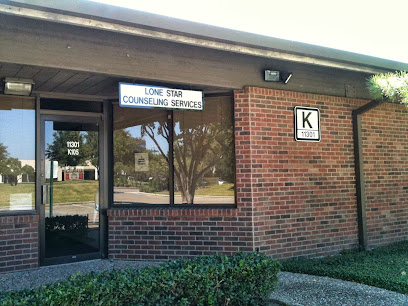
Lone Star Counseling Services
Houston, TX
- IOP
Substance use treatment · Does not treat opioid addiction · Cognitive behavioral therapy
Accepts: Cash or self-payment, Payment assistance
Career and Recovery Resources Inc Brookshire
Brookshire, TX
- Outpatient
Substance use treatment · Accepts clients on opioid medication but prescribed elsewhere · Cognitive behavioral therapy
Accepts: Cash or self-payment, Medicaid, Sliding fee scale
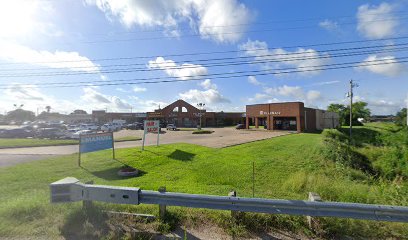
Fort Bend Regional Council on Substance Abuse Inc
Stafford, TX
- IOP
Substance use treatment · Accepts clients on opioid medication but prescribed elsewhere · Cognitive behavioral therapy
Accepts: Cash or self-payment, Medicaid, Sliding fee scale