

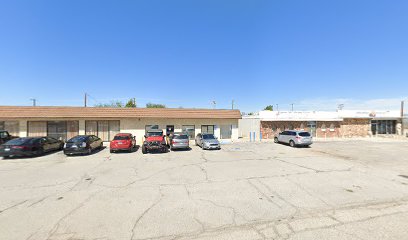
At a Glance
Location
45335 North Sierra Highway, Lancaster, CA 93534
Phone
661-949-8599Website
http://www.westpacmed.comPrimary Focus
Treatment Settings
Treatment Approaches
Special Programs
About Western Pacific Re Hab Western Pacific Lancaster RH
Western Pacific Lancaster offers medical detox and outpatient treatment for opioid use disorder and alcohol dependence in Lancaster, CA. As a certified Opioid Treatment Program, the center serves a wide range of adults — including pregnant women, seniors, and young adults — with structured clinical support, case management, and discharge planning designed to carry recovery well beyond the initial treatment phase.
Western Pacific Rehabilitation in Lancaster, California, located at 45335 North Sierra Highway, is a residential and outpatient treatment facility certified as an Opioid Treatment Program (OTP) by the state. Sitting in Los Angeles County's Antelope Valley region, the center brings together medical oversight and community-based recovery support under one roof — making it a destination for people who need more than a short-term fix and are ready to invest in lasting sobriety.
The center operates two primary levels of care: medical detox and an outpatient program. Medical detox at Western Pacific Lancaster is conducted under medical supervision, with screenings and monitoring built into the process. The outpatient program is designed to support people transitioning from a higher level of care or those who need structured treatment without around-the-clock residential placement — a key bridge in any sustained recovery plan.
Clinically, the center draws on Cognitive Behavioral Therapy, group counseling, substance use disorder counseling, and relapse prevention as the backbone of its treatment approach. Case management and addiction education run alongside these therapeutic methods, giving clients practical tools for the real world. Discharge planning and referrals to community resources are built into the process from early on — not tacked on at the end — so that the transition out of active treatment is deliberate and supported.
Western Pacific Lancaster serves a notably broad population: men, women, young adults ages 18 to 25, seniors, pregnant women, and individuals needing HIV/AIDS support. Services are available in multiple languages, including English, Mandarin, German, Arabic, Vietnamese, and Farsi, reducing barriers for non-English-speaking community members. Payment options include Medicaid, Medicare, private insurance, self-pay, sliding scale fees, and financial assistance — reflecting a genuine commitment to access across income levels.
Medical Detox & Outpatient Treatment in Lancaster, CA
Western Pacific Rehabilitation's Lancaster location provides two clearly defined levels of care for people navigating opioid use disorder and alcohol dependence: medical detox and an outpatient program. Medical detox is delivered under clinical supervision with medical screenings and guest medication services on-site, providing a structured and monitored start to the recovery process. For individuals who have completed a higher level of care or need flexible treatment that works around daily responsibilities, the outpatient program offers consistent therapeutic support without requiring residential placement.
As a state-certified Opioid Treatment Program, the facility is specifically credentialed to treat opioid use disorder — a distinction that matters when families and individuals are evaluating where to begin or continue a longer recovery journey. The outpatient structure also allows participants to maintain family and community ties during treatment, which research consistently links to better long-term outcomes in substance abuse recovery.
A Recovery Community Built for the Long Term
What separates a short-term detox from a real recovery plan is what happens after. At Western Pacific Lancaster, discharge planning and referrals to community resources are not exit-day paperwork — they are active components of the treatment process. Case management helps clients coordinate care, navigate systems, and connect with outside resources before they leave the program, reducing the gap between treatment and the next step in their recovery.
The center's addiction education programming also gives clients and their support networks a clearer understanding of the conditions being treated, which strengthens both personal motivation and family involvement. For community-oriented recovery seekers and families looking for a program that thinks past the first 30 days, Western Pacific Lancaster's built-in aftercare infrastructure reflects what a sustained recovery approach actually looks like in practice.
Who Western Pacific Lancaster Serves
The facility serves a wider range of adults than many outpatient programs in the region. Men, women, young adults (ages 18–25), seniors, and pregnant women all receive care here, and the center includes specific support for individuals with HIV/AIDS-related needs. Coordinated pregnancy treatment is listed as a distinct facility feature, recognizing that pregnant women seeking addiction treatment require a clinical approach that accounts for both mother and fetus throughout the recovery process.
Language access is another concrete differentiator. Services are available in English, Mandarin, German, Arabic, Vietnamese, and Farsi — a practical acknowledgment of Los Angeles County's linguistic diversity. For families and individuals who have struggled to find culturally and linguistically accessible addiction treatment in the Antelope Valley, this breadth of language support is a meaningful point of difference.
Payment Options & Financial Access
Western Pacific Lancaster accepts Medicaid and Medicare, making its medical detox and outpatient services accessible to low-income adults and older adults covered under federal insurance programs. Private insurance is also accepted, alongside self-pay and cash options for those without coverage. The facility additionally offers a sliding scale fee structure and financial assistance — meaning that cost alone should not be the reason someone delays getting into a recovery program.
For families researching substance abuse treatment in Lancaster or greater Los Angeles County, the combination of OTP certification, clinical programming, and broad insurance acceptance makes Western Pacific Lancaster a viable option across a range of financial situations. Prospective clients and family members can reach the center directly at (661) 949-8599 or by email at [email protected] to ask about current availability and financial fit.
Why Choose Western Pacific Re Hab Western Pacific Lancaster RH
- Certified Opioid Treatment Program (OTP) offering supervised medical detox in the Antelope Valley
- Serves specialized populations including pregnant women and individuals with HIV/AIDS needs — not a one-size-fits-all program
- Multilingual services in six languages, expanding access for Lancaster's diverse community
- Discharge planning and community referrals are integrated throughout treatment, not added as an afterthought
- Broad payment access including Medicaid, Medicare, sliding scale, and financial assistance — reducing barriers to entry for those with limited resources
Frequently Asked Questions
What levels of care does Western Pacific Lancaster offer for people in recovery?
Western Pacific Lancaster provides two levels of care: medical detox and an outpatient program. Medical detox is conducted under clinical supervision with medical screenings and monitoring. The outpatient program supports individuals who need structured addiction treatment while maintaining their daily routines, and it serves as a key step in a longer recovery plan for many clients.
Is Western Pacific Lancaster certified to treat opioid use disorder?
Yes. The facility holds an Opioid Treatment Program (OTP) certification, which means it is credentialed specifically to provide treatment for opioid use disorder and opioid addiction. This certification distinguishes it from general outpatient programs and reflects a clinical focus on this population.
Does Western Pacific Lancaster treat alcohol dependence?
Yes. Alcohol dependence is listed among the conditions treated at Western Pacific Lancaster, alongside opioid addiction and opioid use disorder. Individuals dealing with alcohol dependence can access the center's medical detox and outpatient services.
What therapeutic approaches are used at this recovery center?
The center uses Cognitive Behavioral Therapy (CBT), group counseling, substance use disorder counseling, and relapse prevention as its core therapeutic methods. Addiction education and case management complement these clinical services, supporting clients throughout treatment and into the discharge and aftercare phase.
What aftercare and discharge support does Western Pacific Lancaster provide?
Discharge planning and referrals to community resources are integrated into treatment at Western Pacific Lancaster, not added as a last step. Case management helps clients connect with outside support systems before leaving the program. These aftercare supports are designed to reduce relapse risk and ease the transition from active treatment to ongoing recovery.
Does Western Pacific Lancaster serve pregnant women seeking addiction treatment?
Yes. Pregnant women are specifically listed among the populations served, and coordinated pregnancy treatment is an identified facility feature. This means the center has a clinical approach in place to address the distinct needs of pregnant individuals pursuing recovery from substance use disorders.
What languages are services available in at this facility?
Services are available in English, Mandarin, German, Arabic, Vietnamese, and Farsi. This multilingual capacity helps remove language barriers for clients and families from diverse backgrounds who are seeking addiction treatment in the Lancaster area.
What insurance and payment options does Western Pacific Lancaster accept?
The center accepts Medicaid, Medicare, private insurance, and self-pay or cash. A sliding scale fee structure and financial assistance are also available for those who qualify, making treatment more accessible regardless of financial situation.
What are Western Pacific Lancaster's operating hours?
The facility is open Monday through Friday from 4:30 AM to 1:00 PM, and on Saturday and Sunday from 5:45 AM to 9:30 AM. The early morning hours on weekdays reflect the operational structure typical of opioid treatment programs that provide daily medication-assisted services.
Who does Western Pacific Lancaster serve beyond typical adult populations?
In addition to adult men and women, the center specifically serves young adults ages 18 to 25, seniors and older adults, pregnant women, and individuals with HIV/AIDS support needs. This range makes it one of the more inclusive recovery centers in the Antelope Valley for people who may not fit neatly into standard program demographics.
Nearby Treatment Centers
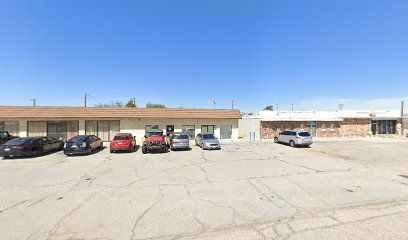
Western Pacific Med Corp Western Pacific Lancaster
Lancaster, CA
- Detox
- Outpatient
- MAT
Substance use treatment · All Clients in Opioid Treatment Program · SAMHSA-certified Opioid Treatment Program
Accepts: Cash or self-payment, Medicaid, Private health insurance
High Road Program
Lancaster, CA
- Outpatient
Substance use treatment · Accepts clients on opioid medication but prescribed elsewhere · Cognitive behavioral therapy
Accepts: Cash or self-payment

Change Lanes Youth Support Services
Lancaster, CA
- IOP
Substance use treatment · Does not treat opioid addiction · Cognitive behavioral therapy
Accepts: Cash or self-payment, Private health insurance, Sliding fee scale
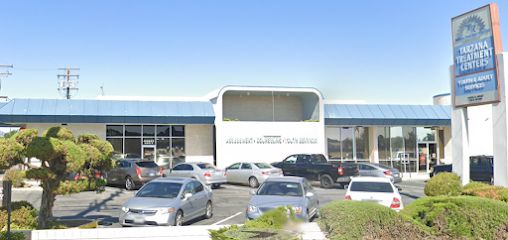
Tarzana Treatment Centers Inc Outpatient Services
Lancaster, CA
- IOP
Substance use treatment · Does not treat opioid addiction · Cognitive behavioral therapy
Accepts: Cash or self-payment, Medicaid, Medicare
Tarzana Treatment Centers Inc
Lancaster, CA
- Residential
- MAT
Substance use treatment · Cognitive behavioral therapy · Dialectical behavior therapy
Accepts: Cash or self-payment, Medicaid, Medicare
Tarzana Treatment Centers Inc Antelope Valley
Lancaster, CA
- Residential
- MAT
Substance use treatment · Cognitive behavioral therapy · Dialectical behavior therapy
Accepts: Cash or self-payment, Medicaid, State-financed health insurance plan other than Medicaid