

At a Glance
Location
88 Grandview Avenue, Waterbury, CT 6708
Phone
203-573-6575Primary Focus
Treatment Settings
Treatment Approaches
Special Programs
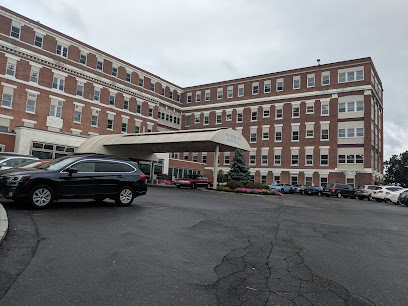
About Waterbury Hospital
Waterbury Hospital offers outpatient addiction treatment at 95 Scovill Street in Waterbury, CT, with a particular focus on Veterans and individuals with co-occurring mental health conditions. The program uses Cognitive Behavioral Therapy to address substance use disorders and supports ongoing recovery through aftercare, outpatient therapy, and support groups. Medicare, TRICARE, and private insurance are accepted, and charity care may be available for those who qualify.
Waterbury Hospital operates a hospital-based outpatient program in the Naugatuck Valley region of Connecticut, located at 95 Scovill Street in Waterbury. As a facility within the Greater Waterbury service area, it provides structured outpatient addiction treatment for adults navigating substance use disorders, addiction, and co-occurring mental health conditions — offering a clinical anchor for people who are committed to longer-term recovery rather than acute crisis alone.
The program is structured as an outpatient program, which allows participants to engage in treatment while maintaining their daily responsibilities and living arrangements. This level of care is well-suited for individuals who are transitioning from higher levels of care, building on early recovery, or managing ongoing substance use disorders alongside mental health needs. Because the outpatient model keeps people connected to their communities, it can serve as a meaningful bridge in a broader recovery plan.
Cognitive Behavioral Therapy (CBT) is the confirmed therapeutic method in use at this program. CBT is a structured, skills-based approach that helps participants identify and shift the thought patterns driving addictive behavior — a meaningful fit for people working to sustain recovery over the long term. Beyond active treatment, the program offers aftercare and continuing care planning, outpatient therapy, and support groups to help participants maintain momentum after the primary program ends.
Waterbury Hospital's outpatient program specifically serves Veterans and individuals who are Deaf or Hard of Hearing — two populations that often face distinct barriers to accessing addiction treatment and ongoing recovery support. Payment options include Medicare, TRICARE, and private insurance, and the hospital maintains a charity care policy that may cover partial or full costs for those who cannot afford to pay. For Veterans in the Greater Waterbury area seeking a recovery center that recognizes their specific needs, this program offers a direct and accessible point of entry into sustained substance abuse treatment.
Outpatient Addiction Treatment for Veterans in Greater Waterbury
Waterbury Hospital's outpatient program stands out in the Greater Waterbury recovery landscape because of its explicit commitment to serving Veterans. This is not a general-population program that happens to accept TRICARE — it is a hospital-based addiction treatment program that lists Veterans as a defined population it serves. For former service members managing substance use disorders or co-occurring mental health conditions, that distinction matters when choosing a long-term recovery partner.
TRICARE and Medicare are both accepted payment methods, lowering a significant barrier for Veterans and older adults who might otherwise struggle to access consistent outpatient care. The program's 24-hour operating schedule also signals accessibility — a factor that matters for individuals balancing work, family, or other commitments alongside their recovery.
Aftercare and Continuing Care: Supporting Recovery Beyond the Program
Recovery doesn't end when a program does, and Waterbury Hospital's confirmed aftercare and continuing care offerings reflect that understanding. Alongside active outpatient therapy, participants have access to support groups and structured continuing care planning — elements that help bridge the gap between formal treatment and independent, community-based recovery.
For individuals and families evaluating substance abuse treatment options in Connecticut, the presence of these aftercare supports is an important practical consideration. A recovery center that builds transition planning into its model gives participants a stronger foundation for the months and years that follow active treatment — not just the weeks within it.
Cognitive Behavioral Therapy as a Foundation for Long-Term Recovery
The outpatient program at Waterbury Hospital uses Cognitive Behavioral Therapy (CBT) as its confirmed therapeutic method. CBT is a structured, goal-oriented approach that helps people in recovery recognize how thoughts and beliefs influence behavior — including the patterns that sustain addiction and complicate mental health. For individuals who are working through co-occurring conditions alongside substance use disorders, CBT offers practical tools that extend beyond the treatment setting into daily life.
Because this is a hospital-based program, participants benefit from the clinical oversight that a hospital environment provides. The combination of CBT, co-occurring mental health treatment, and ongoing aftercare support creates a recovery framework designed for durability, not just short-term stabilization.
Financial Access: Insurance, Medicare, and Charity Care
One of the more concrete differentiators for Waterbury Hospital's outpatient program is its approach to payment. The program accepts Medicare, TRICARE, and private insurance — a combination that makes it accessible to a wider cross-section of the Greater Waterbury community than many private rehab programs. For Veterans specifically, TRICARE coverage removes a common obstacle to entering or continuing addiction treatment.
Beyond insurance, Waterbury Hospital maintains a charity care policy that may cover partial or full costs for outpatient services when a patient lacks the financial means to pay. For individuals and families who are worried that cost will prevent them from accessing a recovery center, this policy is worth discussing directly with the hospital's financial team when reaching out at (203) 573-6000.
Why Choose Waterbury Hospital
- Specifically designed to serve Veterans and individuals who are Deaf or Hard of Hearing — populations often underserved by general rehab programs
- Hospital-based outpatient program with built-in aftercare, continuing care planning, and support groups for sustained recovery
- Accepts Medicare and TRICARE, making it one of few outpatient recovery programs in Greater Waterbury accessible to military-connected individuals
- Charity care policy may cover partial or full treatment costs for those without the ability to pay — reducing financial barriers to entering recovery
- Treats co-occurring mental health conditions alongside substance use disorders, reflecting the reality of how addiction often presents in longer-term recovery populations
Frequently Asked Questions
What level of care does Waterbury Hospital's addiction program offer?
Waterbury Hospital provides an outpatient program for individuals dealing with substance use disorders, addiction, and co-occurring mental health conditions. This level of care allows participants to receive structured treatment while continuing to live at home and manage daily responsibilities. It is well-suited for those building on early recovery or stepping down from more intensive treatment.
Does Waterbury Hospital serve Veterans seeking addiction treatment?
Yes. Veterans are a specifically identified population served by Waterbury Hospital's outpatient addiction program. The program also accepts TRICARE, making it a practical option for military-connected individuals in the Greater Waterbury area who need outpatient substance abuse treatment or co-occurring mental health support.
What therapy approach is used in the outpatient program?
The program uses Cognitive Behavioral Therapy (CBT), a structured approach that helps people identify and change the thought patterns connected to addictive behavior. CBT is particularly useful for individuals managing co-occurring mental health conditions alongside substance use disorders, as it provides skills that carry into daily life beyond the program itself.
Does Waterbury Hospital treat co-occurring mental health conditions?
Yes. Co-occurring mental health conditions are listed among the conditions treated at Waterbury Hospital's outpatient program. This means individuals who are managing both a substance use disorder and a mental health condition can address both within the same treatment setting, which is an important consideration for long-term recovery planning.
What aftercare or continuing care support does the program offer?
Waterbury Hospital's program includes aftercare and continuing care planning, outpatient therapy, and support groups. These services help participants maintain recovery momentum after the primary program phase ends. For individuals and families thinking about long-term recovery — not just short-term treatment — these supports are a meaningful part of the program's overall structure.
What insurance does Waterbury Hospital's outpatient addiction program accept?
The program accepts Medicare, TRICARE, and private insurance. This combination covers a broad range of individuals, including Veterans and older adults. Specific coverage details will depend on an individual's plan, so it is advisable to contact the hospital directly at (203) 573-6000 to discuss your insurance situation before enrolling.
Is financial assistance available for people who cannot afford treatment?
Yes. Waterbury Hospital has a charity care policy that may cover partial or full costs for outpatient services when a patient does not have the financial means to pay. This policy applies to inpatient, outpatient, and emergency services. Individuals interested in this option should contact the hospital directly to discuss eligibility.
Does Waterbury Hospital's program accommodate individuals who are Deaf or Hard of Hearing?
Yes. Individuals who are Deaf or Hard of Hearing are listed as a population specifically served by the program. This is a meaningful distinction for a community that often faces access barriers in traditional addiction treatment and recovery settings.
Where is Waterbury Hospital's outpatient addiction program located?
The program is located at 95 Scovill Street in Waterbury, Connecticut, within the Naugatuck Valley region. It serves the Greater Waterbury area. The facility can be reached by phone at (203) 573-6000.
What hours is the Waterbury Hospital outpatient program available?
According to confirmed scheduling information, the facility operates 24 hours a day, seven days a week. Individuals seeking information about the outpatient program, admissions, or financial assistance can reach the hospital at (203) 573-6000 at any time.
Nearby Treatment Centers
HELP Inc Renato Network
Waterbury, CT
- IOP
- MAT
Substance use treatment · Cognitive behavioral therapy · Substance abuse counseling
Accepts: Cash or self-payment, Medicaid, Private health insurance
Perspectives Center for Care Inc
Waterbury, CT
- IOP
- MAT
Substance use treatment · Cognitive behavioral therapy · Dialectical behavior therapy
Accepts: Cash or self-payment, Medicaid, Medicare
Connecticut Renaissance Inc West
Waterbury, CT
- Residential
Substance use treatment · Accepts clients on opioid medication but prescribed elsewhere · Cognitive behavioral therapy

Patrick F McAuliffe Center Care Trt of Subst Abusive/Dep Persons
Waterbury, CT
- Residential
- MAT
Substance use treatment · Accepts clients on opioid medication but prescribed elsewhere · Cognitive behavioral therapy
Accepts: Medicaid
Connecticut Junior Republic
Waterbury, CT
- Outpatient
- MAT
Substance use treatment · Cognitive behavioral therapy · Dialectical behavior therapy
Accepts: Cash or self-payment, Medicaid, State-financed health insurance plan other than Medicaid

Central Naugatuck Valley Help Inc Rev Edward Dempsey Drug Servs Program
Waterbury, CT
- Residential
- Outpatient
- MAT
Substance use treatment · Accepts clients on opioid medication but prescribed elsewhere · Cognitive behavioral therapy
Accepts: Medicaid, Active duty military, Military families