

 1 / 3
1 / 3At a Glance
Location
118 South Washington Street, Marksville, LA 71351
Phone
318-253-8705Primary Focus
Treatment Settings
Treatment Approaches
Special Programs
About Washington Street Hope Center Inc
Washington Street Hope Center Inc in Marksville, Louisiana provides comprehensive addiction treatment through residential treatment, intensive outpatient programs, and ongoing recovery support. This CARF-accredited recovery center serves young adults and adults with specialized men's and women's programs, emphasizing community connection through their Hope Center Alumni Group.
Washington Street Hope Center Inc operates as a comprehensive recovery center in Marksville, Louisiana, offering multiple levels of addiction treatment for individuals seeking long-term sobriety. Located on South Washington Street in Avoyelles Parish, this residential treatment facility provides 24/7 support through structured programming designed to build lasting recovery foundations.
The center's treatment continuum includes residential treatment, outpatient programs, and intensive outpatient (IOP) services, allowing individuals to step down through appropriate care levels as they progress. Their 28-day residential program addresses substance abuse, alcohol addiction, drug addiction, and gambling addiction through comprehensive therapeutic intervention. The facility maintains separate men's and women's centers, each with dedicated directors who understand gender-specific recovery needs.
Treatment approaches combine Cognitive Behavioral Therapy (CBT), the 12-steps of Alcoholics Anonymous, and Recovery Dynamics methodology. Under Clinical Director Angela Martello's oversight, the therapeutic team integrates multiple clinical practices to address underlying addiction patterns. This multi-modal approach helps clients develop practical coping strategies while building the spiritual and psychological foundations necessary for sustained recovery.
Washington Street Hope Center serves young adults aged 18-25 alongside older adults, with specialized programming for men and women. Their Hope Center Alumni Group creates ongoing community connections that extend well beyond initial treatment completion. CARF International accreditation demonstrates the center's commitment to quality standards, while acceptance of Medicaid, private insurance, state insurance, and self-pay options makes treatment accessible across economic backgrounds.
Residential Treatment and Outpatient Programs
Washington Street Hope Center's residential treatment program provides intensive 28-day programming for individuals ready to commit to comprehensive recovery work. The facility operates around the clock, seven days per week, ensuring clients receive consistent support during the critical early stages of sobriety. Residential clients benefit from structured daily schedules that incorporate individual counseling, group therapy, educational sessions, and peer support activities.
The center's outpatient program and intensive outpatient (IOP) services allow individuals to maintain work and family responsibilities while receiving regular therapeutic support. These programs serve as natural transitions from residential care or as primary treatment options for those who don't require 24-hour supervision. Both outpatient levels incorporate the same therapeutic methodologies used in residential treatment, ensuring continuity of care regardless of treatment intensity.
Specialized Men's and Women's Recovery Programs
The facility operates dedicated men's and women's centers, each led by experienced directors who understand gender-specific recovery challenges. Darrin Seal directs the men's center, bringing certified addiction counselor expertise to male clients addressing substance abuse and related behavioral patterns. The men's program creates an environment where participants can address masculinity, relationships, and emotional expression within a supportive peer community.
Ashley Ard leads the women's center with Recovery Assistant Counselor and Certified Clinical Gambling Counselor credentials, providing specialized support for female clients. The women's program addresses trauma, co-occurring mental health concerns, parenting challenges, and relationship dynamics that often complicate addiction recovery for women. This gender-separate approach allows both populations to engage more openly in therapeutic work while building authentic peer connections.
Alumni Support and Recovery Community
The Hope Center Alumni Group represents a cornerstone of the facility's long-term recovery support system. This structured aftercare component connects current clients with program graduates who have successfully maintained sobriety in their home communities. Alumni participation provides fresh perspectives on recovery challenges while offering hope and practical guidance to newer participants.
Alumni programming extends the recovery community beyond formal treatment completion, creating networks that support sustained sobriety over years rather than weeks. Graduates often return to share experiences, participate in special events, and mentor current clients through difficult transitions. This ongoing connection helps bridge the gap between intensive treatment and independent recovery life, reducing isolation that contributes to relapse risk.
Clinical Approach and Treatment Philosophy
The center's clinical team, led by Clinical Director Angela Martello, implements Cognitive Behavioral Therapy (CBT) as a primary therapeutic intervention for addressing addictive thought patterns and behaviors. CBT helps clients identify triggers, develop coping strategies, and build skills for managing cravings and stress without substances. This approach provides practical tools that remain useful throughout long-term recovery.
Integration of the 12-steps of Alcoholics Anonymous provides spiritual and community-based recovery foundations that complement clinical interventions. The facility also utilizes Recovery Dynamics methodology, creating a comprehensive treatment approach that addresses addiction from multiple angles. This combination allows clients to explore various recovery pathways and identify approaches that resonate with their personal beliefs and learning styles.
Why Choose Washington Street Hope Center Inc
- CARF International accredited residential treatment facility with proven quality standards
- Specialized men's and women's treatment centers with dedicated directors for each program
- Hope Center Alumni Group providing ongoing community support beyond treatment completion
- Recovery Dynamics methodology combined with CBT and 12-step approaches
- Comprehensive treatment for gambling addiction alongside substance abuse disorders
Frequently Asked Questions
What levels of care does Washington Street Hope Center provide?
The center offers residential treatment, outpatient programs, and intensive outpatient (IOP) services. Their 28-day residential program provides 24/7 support, while outpatient options allow clients to maintain work and family responsibilities. This range of services supports clients through different stages of their recovery journey.
Does the facility have separate programs for men and women?
Yes, Washington Street Hope Center operates dedicated men's and women's centers, each with specialized directors. Darrin Seal leads the men's program while Ashley Ard directs the women's center. This gender-separate approach allows for more targeted therapeutic work addressing specific recovery challenges.
What therapeutic approaches are used in treatment?
The center combines Cognitive Behavioral Therapy (CBT), the 12-steps of Alcoholics Anonymous, and Recovery Dynamics methodology. This multi-modal approach helps clients develop practical coping strategies while building spiritual and psychological foundations for sustained recovery.
Is there ongoing support after completing the residential program?
Yes, the Hope Center Alumni Group provides structured aftercare support connecting graduates with current clients. Alumni participate in ongoing programming, mentoring, and community events that extend recovery support well beyond initial treatment completion.
What types of addiction does the center treat?
Washington Street Hope Center treats substance abuse, alcohol addiction, drug addiction, and gambling addiction. The facility serves young adults aged 18-25 as well as older adults, with specialized programming designed for different age groups and addiction types.
What insurance and payment options are accepted?
The center accepts Medicaid, private insurance, state insurance, and self-pay options. This range of payment methods helps make treatment accessible to individuals from various economic backgrounds seeking addiction recovery services.
Is Washington Street Hope Center accredited?
Yes, the facility holds CARF International accreditation, demonstrating compliance with established quality standards for addiction treatment services. This accreditation provides assurance that the center meets recognized benchmarks for clinical care and operational excellence.
Who leads the clinical team at the facility?
Clinical Director Angela Martello oversees the therapeutic programming with Licensed Professional Counselor-Supervisor, Licensed Addiction Counselor, and Certified Clinical Supervisor credentials. The team includes licensed counselors, certified addiction counselors, and specialized staff for different aspects of treatment.
Nearby Treatment Centers
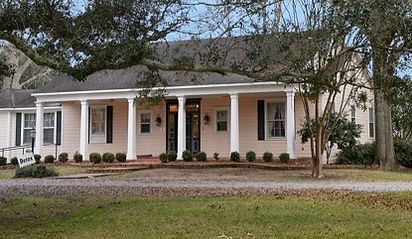
Edgefield Recovery Center
Cheneyville, LA
- Detox
- Residential
- MAT
Substance use treatment · Accepts clients on opioid medication but prescribed elsewhere · Cognitive behavioral therapy
Accepts: Cash or self-payment, Medicaid, State-financed health insurance plan other than Medicaid
Caring Choices Central LA Human Service District
Alexandria, LA
- IOP
- MAT
Substance use treatment · Accepts clients on opioid medication but prescribed elsewhere · Cognitive behavioral therapy
Accepts: Cash or self-payment, Medicaid, Medicare
Alexandria VA Healthcare System Substance Use Disorder Services (SUDS)
Pineville, LA
- IOP
- MAT
Substance use treatment · Accepts clients on opioid medication but prescribed elsewhere · Cognitive behavioral therapy
Accepts: Private health insurance, Military insurance, Active duty military
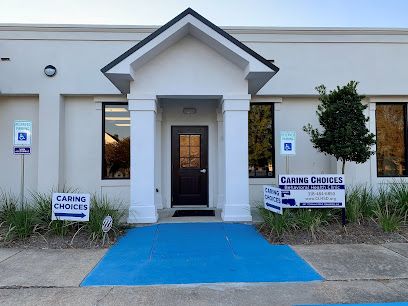
Choices of Louisiana Inc
Alexandria, LA
- Outpatient
- MAT
Substance use treatment · All Clients in Opioid Treatment Program · SAMHSA-certified Opioid Treatment Program
Accepts: Cash or self-payment, Medicaid, Private health insurance
Ville Platte Office of Behavioral Health
Ville Platte, LA
- Outpatient
Substance use treatment · Does not use medication for opioid addiction · Accepts clients on opioid medication but prescribed elsewhere
Accepts: Cash or self-payment, Medicaid, Medicare
Allen Outreach Inc
Oakdale, LA
- IOP
Substance use treatment · Accepts clients on opioid medication but prescribed elsewhere · Cognitive behavioral therapy
Accepts: Cash or self-payment, Medicaid, Private health insurance