

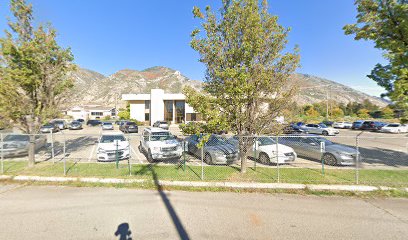
At a Glance
Location
750 North 200 West, Provo, UT 84601
Phone
801-373-7394Primary Focus
Treatment Settings
Treatment Approaches
Special Programs
About Wasatch Behavioral Health
Wasatch Behavioral Health in Provo, Utah offers medical detox and residential treatment for adults navigating substance use disorders, including those living with co-occurring mental health conditions and trauma. Serving a wide range of populations — from veterans and young adults to pregnant women and seniors — WBH brings structured, long-term recovery support to Utah County through Medicaid-accepted programs and financial assistance options.
Wasatch Behavioral Health (WBH) is a substance use treatment facility located at 1157 East 300 North in Provo, Utah, serving individuals across Utah County. Established in 1967 to provide quality behavioral health care, WBH has grown into a recognized resource for people seeking serious, sustained recovery support — not just a short-term fix. The center operates Monday through Friday, 8 a.m. to 5 p.m., and requires individuals accessing substance use treatment services to complete an intake assessment at the Utah County level before enrollment.
WBH offers two core levels of care for those entering or deepening their recovery: medical detox and residential treatment. Medical detox provides a clinically supervised foundation for individuals beginning the withdrawal process, while residential treatment offers the structured, immersive environment that longer-term recovery often demands. Together, these two levels create a continuum that supports clients from the earliest stage of sobriety into more sustained, live-in recovery work.
The treatment approach at Wasatch Behavioral Health is grounded in Cognitive Behavioral Therapy (CBT), a well-researched method that helps clients identify and shift the thought patterns connected to substance use. The center also addresses co-occurring disorders and dual diagnosis, recognizing that mental health conditions — including trauma and PTSD — frequently intersect with addiction. A urinalysis lab on-site is used as a tool to support clients' individualized recovery plans as they progress through treatment.
WBH serves a broad range of adults, including veterans, pregnant women, young adults ages 18 to 25, seniors, and both men and women seeking addiction treatment. For those concerned about cost, Wasatch Behavioral Health accepts Medicaid and offers financial assistance, making residential treatment and medical detox more accessible to people who might otherwise face barriers to care. For anyone in Utah County weighing their options for a recovery center committed to long-term outcomes, WBH represents a community-rooted choice with decades of behavioral health experience behind it.
Medical Detox and Residential Treatment in Provo, Utah
For individuals ready to commit to recovery, Wasatch Behavioral Health provides two foundational levels of care: medical detox and residential treatment. Medical detox offers clinical support during the earliest and often most physically demanding phase of stopping substance use, laying the groundwork for the deeper work that follows. Residential treatment then provides a live-in, structured environment where clients can focus entirely on recovery without the distractions or triggers of daily life outside.
This two-stage continuum matters for people who are thinking beyond a single crisis moment and toward lasting sobriety. Rather than treating detox as an isolated event, WBH frames it as the beginning of an ongoing recovery process — one that continues through residential programming and the skills-building that comes with it. Individuals interested in starting this process are required to complete an intake assessment through Utah County before entering substance use treatment services.
Treating Co-Occurring Disorders and Trauma Alongside Addiction
Wasatch Behavioral Health recognizes that substance use rarely exists in isolation. The center explicitly treats co-occurring disorders and dual diagnosis, meaning clients living with both a substance use disorder and a mental health condition — such as trauma or PTSD — can receive integrated care that addresses both. This is especially relevant for veterans, a population WBH specifically serves, who may enter treatment carrying significant trauma histories alongside their substance use challenges.
The clinical backbone of this work is Cognitive Behavioral Therapy (CBT), which helps clients examine the connections between their thoughts, emotions, and behaviors around substance use. By working with a therapy model that addresses mental patterns as well as behavioral ones, WBH's approach is particularly well-suited for those whose recovery is complicated by trauma, anxiety, or other mental health factors. A urinalysis lab is also used on-site as a supportive tool to track progress within each client's recovery plan.
Who Wasatch Behavioral Health Serves
WBH's addiction treatment programs are designed to serve a wide cross-section of adults. The center explicitly accommodates veterans, pregnant women, young adults between the ages of 18 and 25, seniors and older adults, and both men and women. This breadth reflects a facility that has built its infrastructure to meet the different clinical and personal needs that arise across life stages and experiences.
For families researching recovery options for a loved one, WBH's population-specific focus means the center has considered the distinct challenges different groups bring to treatment. Whether a family member is a young adult in early crisis or a veteran dealing with long-standing trauma and substance use, Wasatch Behavioral Health offers a treatment setting designed with those differences in mind rather than a one-size approach.
Paying for Treatment: Medicaid and Financial Assistance
Cost is one of the most common reasons people delay entering substance abuse treatment, and WBH directly addresses this barrier. The center accepts Medicaid, which can cover medically necessary treatment including detox and residential programs for eligible individuals in Utah. Financial assistance is also available for those who qualify, broadening access further for people who may not fit neatly into standard insurance coverage.
For Sober Nation's audience — people evaluating longer-term recovery options rather than a same-day crisis solution — understanding the financial side of residential treatment is a practical and important step. Anyone considering Wasatch Behavioral Health can reach the center by phone at (801) 852-4510 or by email at [email protected] during regular business hours, Monday through Friday from 8 a.m. to 5 p.m.
Why Choose Wasatch Behavioral Health
- One of Utah County's longest-standing behavioral health organizations, founded in 1967 to serve the region's mental health and substance use needs
- Offers both medical detox and residential treatment under one organizational roof, supporting a connected path from withdrawal through longer-term recovery
- Explicitly treats co-occurring disorders and trauma/PTSD alongside substance use — critical for people whose addiction and mental health challenges are intertwined
- Accepts Medicaid and provides financial assistance, lowering barriers to residential treatment for individuals who may not have private insurance
- Serves a notably diverse range of populations — veterans, pregnant women, young adults, seniors, men, and women — within a single treatment community
Frequently Asked Questions
What levels of care does Wasatch Behavioral Health offer for addiction treatment?
Wasatch Behavioral Health offers medical detox and residential treatment for individuals with substance use disorders. Medical detox provides clinical support at the start of recovery, while residential treatment offers a longer-term, structured environment for ongoing sobriety work. These two levels are designed to work together as part of a sustained recovery process.
Does Wasatch Behavioral Health treat mental health conditions alongside addiction?
Yes. WBH explicitly treats co-occurring disorders and dual diagnosis, including trauma and PTSD. This integrated approach is important for individuals whose substance use is connected to underlying mental health challenges, and it reflects the center's recognition that lasting recovery often requires addressing both at once.
What therapy methods does WBH use in its substance use treatment programs?
Cognitive Behavioral Therapy (CBT) is the confirmed therapeutic method used at Wasatch Behavioral Health. CBT helps clients identify and change the thought patterns and behaviors that contribute to substance use, and it is well-suited for people also working through trauma or co-occurring mental health conditions.
Does Wasatch Behavioral Health accept Medicaid?
Yes, Wasatch Behavioral Health accepts Medicaid as a payment method. The center also offers financial assistance for those who may not qualify for Medicaid but still face cost barriers to entering residential treatment or medical detox.
What populations does Wasatch Behavioral Health serve?
WBH serves a wide range of adults, including veterans, pregnant women, young adults ages 18 to 25, seniors and older adults, men, and women. This broad population focus means the center has programming considerations in place for the distinct needs different groups bring to addiction treatment and recovery.
How do I get started with substance use treatment at Wasatch Behavioral Health?
Individuals seeking substance use treatment through Wasatch Behavioral Health are required to complete an intake assessment at the Utah County level before enrollment. You can contact WBH directly at (801) 852-4510 or by emailing [email protected]. The center is open Monday through Friday, 8 a.m. to 5 p.m.
Is Wasatch Behavioral Health a good fit for veterans seeking addiction treatment?
Veterans are among the specific populations Wasatch Behavioral Health is confirmed to serve. The center also treats trauma and PTSD as co-occurring conditions alongside substance use disorders, which can be particularly relevant for veterans entering addiction treatment who carry significant trauma histories.
Where is Wasatch Behavioral Health located?
Wasatch Behavioral Health is located at 1157 East 300 North in Provo, Utah 84606, in Utah County. The center's main phone number is (801) 852-4510 and its website is wasatch.org.
Does Wasatch Behavioral Health offer residential treatment for long-term recovery?
Yes. Residential treatment is one of the two confirmed levels of care at Wasatch Behavioral Health. Residential programs provide a live-in, structured environment where individuals can focus fully on their recovery — making WBH a relevant option for people evaluating longer-term addiction treatment rather than short-term intervention only.
Nearby Treatment Centers
Mountain Peak Recovery
Provo, UT
- IOP
- MAT
Substance use treatment · Cognitive behavioral therapy · Dialectical behavior therapy
Accepts: Cash or self-payment, Private health insurance, Military insurance
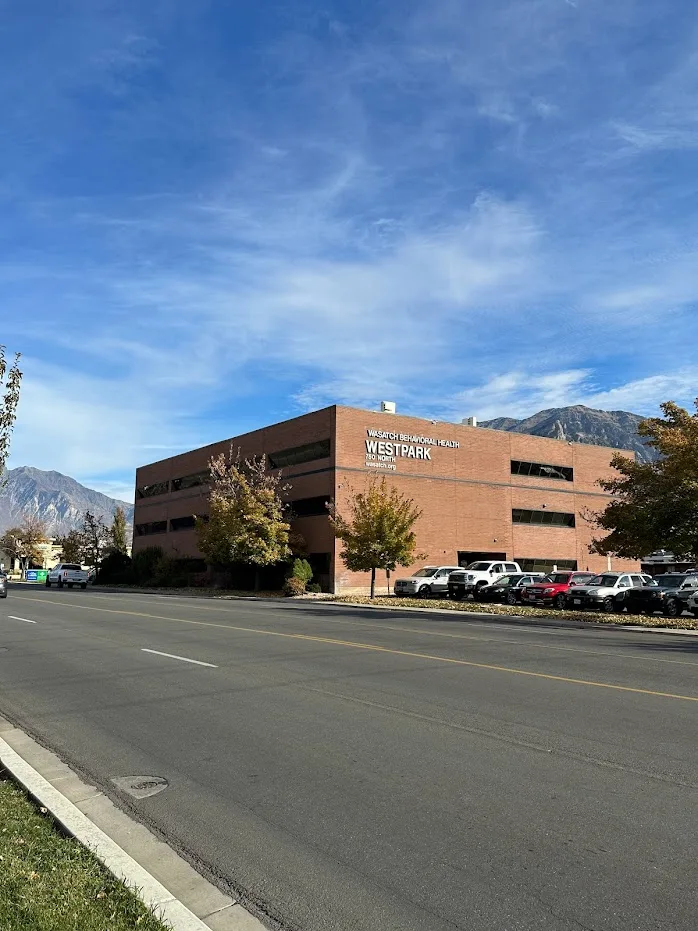
Wasatch BH Special Servs District
Provo, UT
- IOP
- MAT
Substance use treatment · Accepts clients on opioid medication but prescribed elsewhere · Cognitive behavioral therapy
Accepts: Cash or self-payment, Medicaid, State-financed health insurance plan other than Medicaid
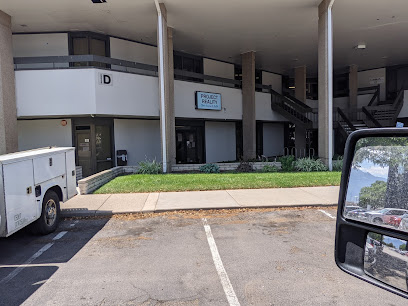
Project Reality Utah County Program Site
Provo, UT
- Detox
- Outpatient
- MAT
Substance use treatment · All Clients in Opioid Treatment Program · SAMHSA-certified Opioid Treatment Program
Accepts: Cash or self-payment, Medicaid, Medicare
Building Beginnings Recovery
Provo, UT
- IOP
- Sober Living
Substance use treatment · Does not use medication for opioid addiction · Cognitive behavioral therapy
Accepts: Cash or self-payment, Medicaid, Private health insurance
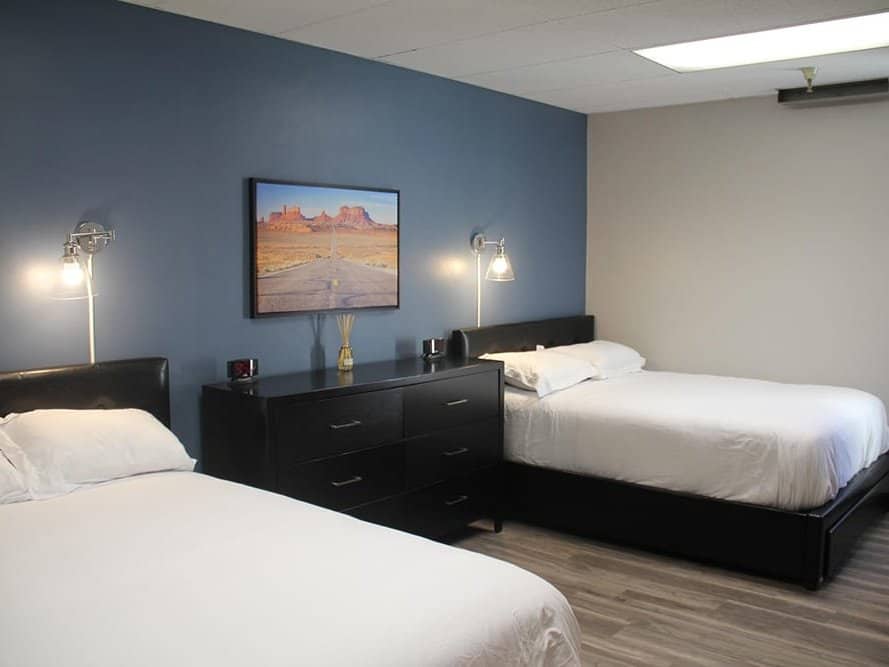
Ardu Recovery Center
Provo, UT
- Detox
- Residential
- MAT
Substance use treatment · Accepts clients on opioid medication but prescribed elsewhere · Cognitive behavioral therapy
Accepts: Cash or self-payment, Medicaid, State-financed health insurance plan other than Medicaid
New Roads Behavioral Health North Program
Provo, UT
- Residential
- MAT
- Sober Living
Substance use treatment · Accepts clients on opioid medication but prescribed elsewhere · Cognitive behavioral therapy
Accepts: Cash or self-payment, State-financed health insurance plan other than Medicaid, Private health insurance