

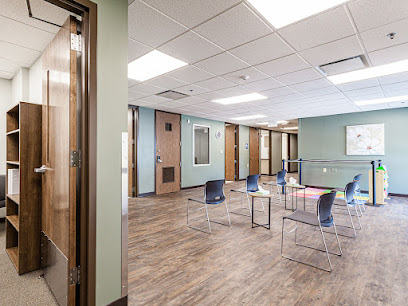
At a Glance
Location
2347 Rossville Boulevard, Chattanooga, TN 37408
Phone
423-265-3122Primary Focus
Treatment Settings
Treatment Approaches
Special Programs
About Volunteer Comp Treatment Center
Volunteer Comp Treatment Center is a CARF-accredited outpatient clinic in Chattanooga, Tennessee, specializing in opioid use disorder, heroin addiction, and prescription painkiller addiction through a certified Opioid Treatment Program. The center accepts Medicaid, Medicare, TRICARE, private insurance, state insurance, and self-pay, making ongoing outpatient recovery accessible to a broad range of people in the Hamilton County area.
Volunteer Comp Treatment Center operates as an outpatient clinic at 2347 Rossville Boulevard in Chattanooga, Tennessee, holding CARF accreditation and a certified Opioid Treatment Program (OTP) designation — a combination that sets it apart from general outpatient programs in the region. Its focus is squarely on opioid use disorder, heroin addiction, and prescription painkiller addiction, serving people who are committed to long-term recovery and need consistent, structured outpatient support rather than a residential setting.
The center delivers care at the outpatient program level, designed for individuals who can live in their own community while attending treatment on a regular schedule. With clinic hours running as early as 5:00 AM Monday through Friday and Saturday morning availability, the program is built to accommodate people managing work, family, and other daily responsibilities alongside their recovery. That early-morning schedule is a practical, real-world feature that matters for anyone balancing treatment with life outside the clinic.
Clinically, Volunteer Comp Treatment Center uses Cognitive Behavioral Therapy (CBT) and group counseling as core therapeutic methods. CBT helps people in recovery examine and shift the thought patterns that drive addictive behavior, while group counseling builds the peer connection that sustains sobriety over time — both are well-suited to the longer recovery arc that outpatient treatment supports. These approaches work together within the OTP framework to address opioid use disorder at a meaningful depth.
The center specifically serves pregnant women and individuals who are Deaf or hard of hearing — two populations that often face significant barriers to finding appropriate addiction treatment and substance abuse care. Payment options include Medicaid, Medicare, TRICARE, private insurance, state insurance, and self-pay, removing many of the financial obstacles that keep people from starting or continuing an outpatient program. For Chattanooga residents navigating opioid addiction recovery, Volunteer Comp Treatment Center offers a focused, accessible, and credentialed option.
Outpatient Opioid Treatment in Chattanooga, TN
Volunteer Comp Treatment Center is one of the few outpatient clinics in the Chattanooga area holding both CARF accreditation and an Opioid Treatment Program certification. That dual credential signals a level of oversight and clinical accountability that matters when someone is choosing a long-term recovery center rather than a short-term intervention. The OTP certification specifically reflects the program's capacity to treat opioid use disorder, heroin addiction, and prescription painkiller addiction within a regulated outpatient framework.
Located at 2347 Rossville Boulevard in Chattanooga's Hamilton County, the clinic is accessible to people building their recovery while staying rooted in their community. Outpatient treatment at this level allows individuals to maintain family connections, employment, and community ties — all factors that research links to durable, long-term sobriety. For people who are past the acute phase and focused on sustained recovery, an outpatient program with this kind of structure provides a meaningful middle path between intensive residential treatment and going it alone.
Therapeutic Approach: CBT and Group Counseling
The clinical work at Volunteer Comp Treatment Center centers on two methods: Cognitive Behavioral Therapy and group counseling. CBT is a structured, skills-based approach that helps people identify the thought and behavior patterns underlying addiction — it's particularly relevant for opioid use disorder, where cravings and environmental triggers can be persistent and powerful. Clients learn to recognize those patterns and develop concrete strategies to interrupt them, building the kind of cognitive toolkit that supports recovery beyond the clinic's walls.
Group counseling adds the peer dimension that individual therapy alone can't replicate. Sitting with others navigating the same challenges normalizes the recovery experience and creates accountability. For people who are early in their outpatient program or months into it, that group connection often becomes one of the most sustaining parts of the process. Together, CBT and group counseling give this outpatient program both individual depth and community structure.
Who This Recovery Center Serves
Volunteer Comp Treatment Center has specifically structured its program to serve populations that frequently encounter barriers in standard addiction treatment settings. Pregnant women seeking substance abuse treatment for opioid use disorder can find appropriate, specialized outpatient care here — a clinical need that is both urgent and underserved in many regions. Serving this population requires additional clinical consideration, and the center's OTP certification supports that level of focused care.
The program also serves individuals who are Deaf or hard of hearing, a community that is too often excluded or inadequately accommodated in recovery settings. Reaching people regardless of hearing status reflects a practical commitment to access. Combined with a payment structure that includes Medicaid, Medicare, TRICARE, state insurance, private insurance, and self-pay options, the center works to remove the logistical and financial barriers that keep people from staying connected to long-term outpatient treatment.
Schedule, Access, and Payment Options
Volunteer Comp Treatment Center's clinic hours run from 5:00 AM to 11:30 AM Monday through Friday, with Saturday hours from 5:30 AM to 11:00 AM. That early start is a meaningful design choice — it means people can attend their outpatient program before a work shift or family obligations begin, which directly addresses one of the most common reasons people drop out of ongoing treatment. Consistency in attendance is one of the strongest predictors of sustained recovery, and a schedule built around real-world constraints supports that consistency.
On the financial side, the center accepts a wide range of payment methods: Medicaid, Medicare, TRICARE, private insurance, state insurance, and self-pay or cash. For people relying on public insurance programs or military benefits, having those options confirmed matters when evaluating whether a recovery center is genuinely accessible. To confirm current insurance acceptance or schedule an intake, reach Volunteer Comp Treatment Center directly at (423) 265-3122 or visit ctcprograms.com.
Why Choose Volunteer Comp Treatment Center
- Certified Opioid Treatment Program (OTP) with CARF accreditation — a credentialed combination not universal among Chattanooga outpatient programs
- Early-morning clinic hours starting at 5:00 AM on weekdays make consistent recovery attendance realistic for working adults
- Explicitly serves pregnant women seeking opioid addiction treatment, a population with specialized and often unmet needs
- Accessible to Deaf and hard of hearing individuals, broadening who can meaningfully engage with the recovery program
- Broad payment coverage including Medicaid, Medicare, TRICARE, private insurance, state insurance, and self-pay reduces financial barriers to sustained outpatient care
Frequently Asked Questions
What type of addiction treatment does Volunteer Comp Treatment Center provide?
Volunteer Comp Treatment Center is an outpatient clinic offering an Outpatient Program specifically for opioid use disorder, heroin addiction, and prescription painkiller addiction. It holds both CARF accreditation and an Opioid Treatment Program (OTP) certification. The program uses Cognitive Behavioral Therapy and group counseling as its primary clinical methods.
Is Volunteer Comp Treatment Center accredited?
Yes. The center holds CARF accreditation, which is one of the most recognized quality standards in addiction treatment and behavioral health. It is also certified as an Opioid Treatment Program (OTP), reflecting its specialized focus on opioid use disorder care within a regulated outpatient framework.
What insurance does this outpatient program accept?
Volunteer Comp Treatment Center accepts Medicaid, Medicare, TRICARE, private insurance, state insurance, and self-pay or cash. This broad range of payment options makes the outpatient program accessible to many people in the Chattanooga area. For questions about a specific plan, contact the center directly at (423) 265-3122.
Does this center serve pregnant women seeking opioid addiction treatment?
Yes. Volunteer Comp Treatment Center specifically serves pregnant women as a designated population within its outpatient program. For individuals who are pregnant and dealing with opioid use disorder or prescription painkiller addiction, this is a confirmed service population at this facility.
Are services available for people who are Deaf or hard of hearing?
Yes. The center serves individuals who are Deaf or hard of hearing, making it one of the outpatient addiction treatment options in Chattanooga that explicitly accommodates this population. Anyone with questions about specific accommodations should contact the center at (423) 265-3122.
What are the clinic's hours of operation?
The clinic is open Monday through Friday from 5:00 AM to 11:30 AM and on Saturday from 5:30 AM to 11:00 AM. The center is closed on Sundays. The early morning schedule is designed to allow clients to attend their outpatient program before other daily responsibilities.
What therapeutic methods are used in the outpatient program?
The program uses Cognitive Behavioral Therapy (CBT) and group counseling. CBT helps clients identify and change thinking patterns connected to addictive behavior, while group counseling provides peer support and shared accountability — both important elements of sustained recovery in an outpatient setting.
Where is Volunteer Comp Treatment Center located?
The center is located at 2347 Rossville Boulevard in Chattanooga, Tennessee 37408, in Hamilton County. It can be reached by phone at (423) 265-3122, and more information is available at ctcprograms.com.
What conditions does this outpatient recovery center treat?
Volunteer Comp Treatment Center treats opioid use disorder, heroin addiction, and prescription painkiller addiction. Its Opioid Treatment Program certification reflects this specialized clinical focus. The center does not list other substance use conditions in its confirmed program offerings.
How does an outpatient program differ from residential treatment for opioid addiction?
An outpatient program allows individuals to live at home or in their community while attending treatment sessions on a scheduled basis, rather than residing at the facility. Volunteer Comp Treatment Center's outpatient model is designed for people committed to long-term recovery who can maintain daily routines alongside structured clinical care. It is a strong fit for those who have moved past the acute phase and are building sustainable, community-based sobriety.
Nearby Treatment Centers
Transition House Inc Outpatient Behavioral Health Center
Chattanooga, TN
- IOP
- MAT
Substance use treatment · Cognitive behavioral therapy · Dialectical behavior therapy
Accepts: Cash or self-payment, Medicaid, Medicare
Helen Ross McNabb Center
Chattanooga, TN
- IOP
- MAT
Substance use treatment · Accepts clients on opioid medication but prescribed elsewhere · Cognitive behavioral therapy
Accepts: Cash or self-payment, Medicaid, State-financed health insurance plan other than Medicaid
Correctional Csl and Probation Servs
Chattanooga, TN
- IOP
Substance use treatment · Does not treat opioid addiction · Cognitive behavioral therapy
Accepts: Cash or self-payment, Sliding fee scale
Council for Alcohol/DA Servs Inc (CADAS)
Chattanooga, TN
- Detox
- Residential
- PHP
- IOP
Substance use treatment · Substance abuse counseling · Trauma-related counseling
Accepts: Cash or self-payment, Medicaid, State-financed health insurance plan other than Medicaid
Johnson Mental Health Center
Chattanooga, TN
- Outpatient
- MAT
Substance use treatment · Accepts clients on opioid medication but prescribed elsewhere · Cognitive behavioral therapy
Accepts: Cash or self-payment, Medicaid, Medicare
Council for Alcohol/DA Servs Inc (CADAS)/Scholze Ctr for Adolescents
Chattanooga, TN
- Residential
- PHP
- IOP
Substance use treatment · Does not treat opioid addiction · Substance abuse counseling
Accepts: Cash or self-payment, Medicaid, State-financed health insurance plan other than Medicaid