


At a Glance
Primary Focus
Treatment Settings
Treatment Approaches
Special Programs
About Valley Hope Cushing
Valley Hope Cushing has served people seeking lasting recovery since 1967, offering a full continuum of care — from medical detox through residential treatment, outpatient programs, and alumni services — in Cushing, Oklahoma. The center serves veterans, women, and adults managing co-occurring disorders, with Cognitive Behavioral Therapy integrated into its treatment approach.
Valley Hope's Cushing campus sits at 100 South Jones Avenue in Cushing, Oklahoma, and has been part of the recovery landscape since 1967. As a substance use treatment facility open 24 hours a day, it offers one of the more complete continuums of addiction treatment available in Payne County — spanning medical detox all the way through long-term aftercare support. More than 97% of patients rate their treatment experience as excellent and say they would recommend the program to a loved one, according to Valley Hope's own reporting.
The levels of care at Valley Hope Cushing reflect a full-spectrum model designed to meet people wherever they are in recovery. Medical detox provides a structured starting point for those beginning the process. From there, residential treatment offers immersive, around-the-clock programming for those who benefit from removing themselves from their home environment. For people who need structured support but are ready to maintain some independence, a Partial Hospitalization Program (PHP) and a standard outpatient program are also available. Telehealth services extend access to care beyond the physical campus.
Cognitive Behavioral Therapy (CBT) is a confirmed part of the clinical approach at Valley Hope Cushing, giving clients practical tools to identify and reshape the thought patterns that contribute to substance use. The center also addresses co-occurring mental health disorders alongside addiction, recognizing that lasting recovery often depends on treating the whole person rather than a single diagnosis. Alumni services provide a bridge into the recovery community after formal treatment ends, supporting long-term sobriety beyond discharge.
Valley Hope Cushing specifically serves veterans and women, populations that often benefit from treatment environments attuned to their distinct experiences and needs. Payment options include private insurance, TRICARE — making it a concrete option for active-duty and veteran military families — and self-pay or cash arrangements. For anyone weighing a long-term recovery partner rather than a single-episode intervention, Valley Hope Cushing offers a structured, sustained path supported by decades of experience.
A Full Continuum of Addiction Treatment in Cushing, Oklahoma
Valley Hope Cushing is built around the idea that recovery is a process, not a single event. The facility's continuum of care begins with medical detox — a critical first step for many entering treatment — and extends through residential treatment, a Partial Hospitalization Program, outpatient programming, and telehealth services. That range means someone can move through multiple levels of care within the same organization rather than being handed off to an entirely different provider at each transition.
The center operates 24 hours a day, which reflects both the medical detox component and the residential treatment program's continuous support structure. For families evaluating a recovery center as a long-term partner, that continuity across the care spectrum is one of the more meaningful factors to consider when comparing options.
Serving Veterans, Women, and Those with Co-Occurring Disorders
Valley Hope Cushing identifies veterans and women as specific populations it is equipped to serve. For veterans and military families, TRICARE is an accepted payment method — removing a common barrier that keeps some service members from pursuing residential treatment or longer outpatient programs. The center's acceptance of TRICARE reflects a practical commitment to this community, not just a stated one.
The facility also treats co-occurring disorders, meaning clients who are managing both substance use and a mental health condition can address both within the same program. Cognitive Behavioral Therapy is part of the clinical framework, giving clients structured, skill-based tools that remain useful well after formal treatment ends. This combination of dual-diagnosis capacity and CBT-grounded therapy makes the center relevant to a broad range of recovery journeys.
Alumni Services and Long-Term Recovery Support
What happens after someone completes residential treatment or steps down from a PHP matters just as much as what happens during those programs. Valley Hope Cushing offers alumni services as part of its aftercare support model — a resource that connects graduates of the program to a broader recovery community and ongoing support structures. For an audience evaluating sober living options and long-term recovery planning, the presence of alumni services signals that the center's investment in a client doesn't end at discharge.
Alumni networks serve a practical function in long-term sobriety: they provide peer connection, accountability, and a sense of belonging to something larger than individual treatment. Valley Hope has been operating since 1967, which means its alumni community spans generations of people in recovery — a depth of community that newer facilities simply cannot replicate.
Payment Options at Valley Hope Cushing
Valley Hope Cushing accepts private insurance, TRICARE, and self-pay or cash arrangements. The inclusion of TRICARE makes this a viable option for veterans and active-duty military members who might otherwise struggle to find a residential treatment or outpatient program within their benefits network. Self-pay options provide flexibility for those whose insurance coverage may not extend to the full continuum of care the facility offers.
Prospective clients and their families are encouraged to contact the center directly at (918) 225-1736 to discuss which levels of care are covered under their specific plan. Valley Hope's 24-hour availability means those conversations can happen whenever a family is ready to have them — not just during standard business hours.
Why Choose Valley Hope Cushing
- Full continuum from medical detox through alumni services — one center, every stage of recovery
- Specialized programming for veterans, including TRICARE as an accepted payment method
- Dedicated services for women in addiction treatment and recovery
- Co-occurring disorder treatment integrated into all levels of care
- 97%+ patient satisfaction rate with the treatment experience, per Valley Hope's own data
Frequently Asked Questions
What levels of care does Valley Hope Cushing offer for addiction treatment?
Valley Hope Cushing provides a full spectrum of substance abuse treatment, including medical detox, residential treatment, a Partial Hospitalization Program (PHP), an outpatient program, and telehealth services. This range allows individuals to begin with more intensive care and step down to less intensive programming as their recovery progresses, all within the same treatment organization.
Does Valley Hope Cushing offer medical detox?
Yes. Medical detox is one of the confirmed levels of care at Valley Hope Cushing. For many people entering addiction treatment, detox is the necessary first step before transitioning into residential or outpatient programming. The facility operates 24 hours a day, supporting continuous care from detox through subsequent treatment phases.
Does Valley Hope Cushing serve veterans?
Yes. Veterans are among the specific populations Valley Hope Cushing is equipped to serve. The facility also accepts TRICARE as a payment method, which makes it a practical option for veterans and active-duty military members seeking residential treatment or outpatient addiction care.
What therapy approaches are used at Valley Hope Cushing?
Cognitive Behavioral Therapy (CBT) is a confirmed part of the clinical approach at Valley Hope Cushing. CBT is a structured, skills-based form of therapy that helps clients identify and change thought patterns connected to substance use — tools that remain useful long after formal treatment ends.
Does Valley Hope Cushing treat co-occurring mental health disorders?
Yes. Valley Hope Cushing is confirmed to treat co-occurring disorders, meaning clients who are managing both a substance use condition and a mental health diagnosis can receive integrated treatment within the same program. This dual-diagnosis capacity is an important factor for many people whose addiction and mental health needs are interconnected.
What payment methods does Valley Hope Cushing accept?
Valley Hope Cushing accepts private insurance, TRICARE, and self-pay or cash. TRICARE coverage makes the center accessible to veterans and military families. For questions about specific coverage under your insurance plan, the center can be reached directly at (918) 225-1736.
Does Valley Hope Cushing offer aftercare or alumni support?
Yes. Alumni services are a confirmed part of Valley Hope Cushing's aftercare support. For people focused on long-term recovery rather than just acute treatment, alumni programs provide ongoing community connection and peer support after formal treatment concludes. Valley Hope has been operating since 1967, giving its alumni community considerable depth.
Is Valley Hope Cushing available around the clock?
Yes. Valley Hope Cushing operates 24 hours a day. This is particularly relevant given the medical detox and residential treatment services the center provides, both of which require continuous support availability. It also means families and prospective clients can reach out at any time to discuss treatment options.
Does Valley Hope Cushing offer programming specifically for women?
Women are among the specific populations Valley Hope Cushing is confirmed to serve. For women evaluating addiction treatment or sober living options, a center that explicitly identifies women as a served population can indicate programming and environment that are attentive to their specific recovery needs.
How does Valley Hope Cushing support the transition from residential treatment to everyday life?
Valley Hope Cushing offers a step-down care model that moves from residential treatment to a Partial Hospitalization Program and outpatient services, reducing intensity of care as recovery progresses. Alumni services provide ongoing community connection after formal programming ends, helping individuals stay connected to a recovery community during the transition back to daily life.
Nearby Treatment Centers
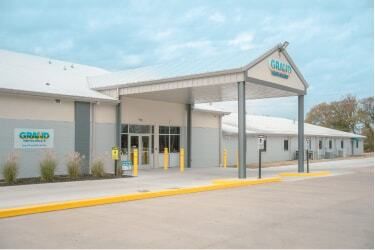
Grand Lake Mental Health Center Inc
Stillwater, OK
- IOP
- MAT
Substance use treatment · Cognitive behavioral therapy · Substance abuse counseling
Accepts: Cash or self-payment, Medicaid, Medicare

Gateway to Prevention and Recovery
Chandler, OK
- Detox
- IOP
- MAT
Substance use treatment · Accepts clients on opioid medication but prescribed elsewhere · Cognitive behavioral therapy
Accepts: Cash or self-payment, Medicaid, State-financed health insurance plan other than Medicaid
Payne County Youth Services Inc
Stillwater, OK
- Outpatient
Substance use treatment · Does not treat opioid addiction · Cognitive behavioral therapy
Accepts: Medicaid, Payment assistance
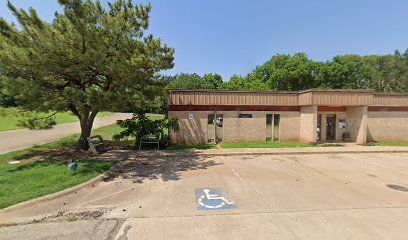
Payne County Drug Court
Stillwater, OK
- Outpatient
Substance use treatment · Accepts clients on opioid medication but prescribed elsewhere · Cognitive behavioral therapy
Accepts: Cash or self-payment, Medicaid
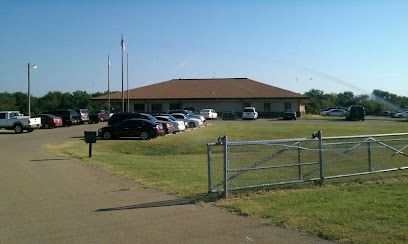
Sac and Fox Nation Black Hawk Health Center
Stroud, OK
- Outpatient
Substance use treatment · Accepts clients on opioid medication but prescribed elsewhere · Cognitive behavioral therapy
Accepts: Medicaid, Medicare, Private health insurance
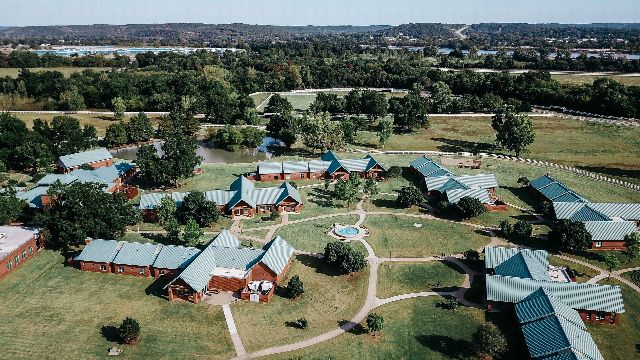
Tulsa Boys Home
Tulsa, OK
- Residential
Substance use treatment · Does not use medication for opioid addiction · Cognitive behavioral therapy
Accepts: Cash or self-payment, Sliding fee scale, Payment assistance