

 1 / 6
1 / 6At a Glance
Location
2590 Prairie View Drive, Eagle Mountain, UT 84005
Phone
801-766-2233Primary Focus
Treatment Settings
Treatment Approaches
Special Programs
About Utah Addictions Centers
Utah Addictions Centers in Eagle Mountain, UT offers a full continuum of care — from medical detox through residential treatment and multiple outpatient levels — serving a wide range of adults seeking lasting recovery. With therapeutic approaches that include CBT, EMDR, and equine therapy, the center treats co-occurring disorders and trauma alongside substance use. Free evaluations and multiple payment options, including Medicaid and TRICARE, help reduce barriers to starting treatment.
Utah Addictions Centers is a substance use treatment facility located at 2590 Prairie View Drive in Eagle Mountain, Utah, offering one of the more complete continuums of care available in Utah County. Rather than functioning as a single-phase program, the center is structured to support individuals across the full arc of recovery — from the earliest stages of medical detox through longer-term outpatient engagement. For families and individuals researching recovery options, this breadth means fewer transitions between providers as needs evolve.
The levels of care at Utah Addictions Centers span medical detox, residential treatment, Partial Hospitalization Program (PHP), Intensive Outpatient Program (IOP), and General Outpatient Program (GOP). This stepped-down structure allows people to move from higher-intensity residential treatment into outpatient programming without leaving the care team behind. The outpatient tiers — PHP, IOP, and GOP — are especially relevant for those balancing recovery with work, family, or other responsibilities in the community.
Clinically, the center addresses co-occurring disorders and dual diagnosis alongside substance use, as well as trauma and PTSD. Therapeutic methods on staff include Cognitive Behavioral Therapy (CBT), EMDR, neurofeedback, equine therapy, and family therapy. The inclusion of family therapy is a meaningful signal for recovery-focused families: treatment here is not limited to the individual but extends to the relational systems around them. Staff credentials include licensed clinical social workers (LCSW) with specializations in trauma and co-occurring conditions, including EMDR certification and CSAT training.
Utah Addictions Centers serves a notably broad population: men, women, young adults ages 18–25, seniors and older adults, pregnant women, and individuals who are court-ordered into treatment. The center accepts Medicaid, private insurance, TRICARE, and self-pay, and offers free evaluations and interventions to help prospective clients understand their options before committing to a program. It operates 24 hours a day, meaning support is available whenever someone is ready to take that first step.
A Full Recovery Continuum in Eagle Mountain, Utah
Utah Addictions Centers is built around the idea that recovery rarely follows a single phase. The facility offers medical detox, residential treatment, Partial Hospitalization Program (PHP), Intensive Outpatient Program (IOP), and General Outpatient Program (GOP) — a structure that allows individuals to begin at the level of care they need and step down gradually as stability grows. For those entering residential treatment, having outpatient programming available within the same center means continuity of care rather than a handoff to an unfamiliar team.
This continuum model matters especially for people in longer-term recovery planning. Rather than treating detox or residential care as the finish line, Utah Addictions Centers maintains lower-intensity outpatient options that support ongoing accountability, skill-building, and community connection well after the acute phase of treatment ends. The center is open 24 hours, making it accessible to individuals and families reaching out at any point in the process.
Trauma-Informed Treatment and Co-Occurring Disorder Care
A significant portion of people entering substance abuse treatment are also managing trauma, PTSD, or other co-occurring mental health conditions. Utah Addictions Centers directly addresses this overlap, treating both dual diagnosis conditions and trauma/PTSD as core parts of its clinical work — not as secondary concerns to be addressed after sobriety is established. The clinical team includes staff credentialed in EMDR (Eye Movement Desensitization and Reprocessing), a therapy with a strong track record in trauma treatment, as well as Cognitive Behavioral Therapy (CBT) and neurofeedback.
Family therapy is also part of the therapeutic model, recognizing that addiction and trauma rarely affect only one person in a household. For families who have watched a loved one struggle, the inclusion of family-focused clinical work offers a way to be part of the recovery process rather than waiting on the outside of it. The center's co-founder and CEO, Jeremy Boberg, holds credentials as an LCSW, ASUDC, EMDRIA, and CMAT — a combination that reflects specialization in both addiction and trauma-related care.
Who Utah Addictions Centers Serves
Utah Addictions Centers has structured its programs to serve a wide range of adults at different life stages. The center works with men and women, young adults between 18 and 25, seniors and older adults, pregnant women, and individuals entering treatment through court orders. This breadth is meaningful in practice: a treatment center that regularly works with court-ordered clients and pregnant women, for example, has clinical and administrative processes in place that generalist programs may not.
On the financial side, the center accepts Medicaid, private insurance, TRICARE, and self-pay arrangements. Free evaluations and interventions are available for individuals and families who want to understand their options before making a commitment. For veterans and military families, TRICARE acceptance removes one of the more common logistical obstacles to accessing residential treatment or outpatient programming. Interested individuals can reach the center directly at (801) 766-2233 or by email at [email protected].
Outpatient Programs for Life in Recovery
For many people, the most critical phase of recovery happens after residential treatment ends — when the structure of an inpatient program gives way to everyday responsibilities and triggers. Utah Addictions Centers offers three distinct outpatient levels: PHP, IOP, and GOP. Each represents a different intensity of engagement, allowing the care plan to flex based on where someone is in their recovery rather than applying a one-size-fits-all schedule.
The Intensive Outpatient Program (IOP) in particular is well-suited for individuals who have completed residential treatment and are transitioning back into work or family life, as well as those whose circumstances make residential treatment impractical. The General Outpatient Program (GOP) offers a lower-frequency option for people further along in their recovery who benefit from ongoing clinical support and accountability. Together, these outpatient tiers reflect a recovery center model oriented toward the long game — not just stabilization, but sustained well-being in the community.
Why Choose Utah Addictions Centers
- Full continuum from medical detox through residential treatment and multiple outpatient tiers — reducing the need to change providers as recovery progresses
- Dual diagnosis and trauma/PTSD treatment integrated into all levels of care, supported by EMDR-certified and CSAT-credentialed clinical staff
- Equine therapy and neurofeedback available alongside CBT and family therapy — a broader therapeutic toolkit than most outpatient-only programs in the region
- Serves a wide range of populations including pregnant women, seniors, young adults, and court-ordered individuals — with payment options including Medicaid and TRICARE
- Free evaluations and interventions offered to help families and individuals assess fit before beginning a residential or outpatient program
Frequently Asked Questions
What levels of care does Utah Addictions Centers offer?
Utah Addictions Centers provides a full continuum of substance abuse treatment, including medical detox, residential treatment, Partial Hospitalization Program (PHP), Intensive Outpatient Program (IOP), and General Outpatient Program (GOP). This range allows individuals to begin at the appropriate level of intensity and transition through lower levels of care as recovery progresses. Having multiple levels within one center supports continuity of care across the full recovery journey.
Does Utah Addictions Centers treat trauma and co-occurring mental health conditions?
Yes. The center treats trauma and PTSD as well as co-occurring disorders and dual diagnosis conditions alongside substance use. Clinical staff include EMDR-certified therapists and practitioners credentialed in treating co-occurring conditions. Cognitive Behavioral Therapy (CBT), neurofeedback, and family therapy are also part of the therapeutic methods offered.
What insurance and payment options are accepted?
Utah Addictions Centers accepts Medicaid, private insurance, TRICARE, and self-pay. The center also offers free evaluations and interventions and notes that several options are available to help reduce financial barriers to treatment. Prospective clients are encouraged to call (801) 766-2233 to discuss their specific coverage and options.
Who does Utah Addictions Centers serve?
The center serves men, women, young adults ages 18–25, seniors and older adults, pregnant women, and individuals who are court-ordered into treatment. This range of populations reflects clinical experience and administrative infrastructure for a variety of life circumstances and treatment entry points.
Is Utah Addictions Centers open around the clock?
Yes, Utah Addictions Centers operates 24 hours a day. This means individuals and family members can reach out for information, evaluations, or support at any time — not just during standard business hours.
What is the difference between the PHP, IOP, and GOP programs at Utah Addictions Centers?
Partial Hospitalization Program (PHP) is the most intensive outpatient level, suited for individuals who need structured daily programming without residing at the facility. Intensive Outpatient Program (IOP) offers a step down in hours, making it more compatible with work and family obligations while maintaining strong clinical support. General Outpatient Program (GOP) is the least intensive level, appropriate for individuals further along in recovery who benefit from ongoing accountability and therapeutic engagement.
Does Utah Addictions Centers offer family therapy?
Yes, family therapy is one of the confirmed therapeutic methods at Utah Addictions Centers. Involving family members in the treatment process is a recognized component of sustained recovery, particularly when co-occurring disorders or trauma are part of the clinical picture.
What therapeutic approaches does Utah Addictions Centers use?
The center's therapeutic methods include Cognitive Behavioral Therapy (CBT), EMDR, neurofeedback, equine therapy, and family therapy. CBT is widely used in addiction treatment and co-occurring disorder care. EMDR is particularly relevant for clients with trauma or PTSD histories. Equine therapy adds an experiential dimension not commonly available in outpatient-only programs.
Does Utah Addictions Centers offer a free evaluation before starting treatment?
Yes. The center offers free evaluations and interventions, giving individuals and families the opportunity to understand what level of care may be appropriate before making any commitment. This can be an important first step for people who are unsure whether residential treatment, an IOP, or another program level is the right fit.
Is Utah Addictions Centers appropriate for veterans or military families?
Utah Addictions Centers accepts TRICARE, the insurance program covering active-duty service members, veterans, and their families. In addition to the financial access this provides, the center's treatment of trauma and PTSD alongside substance use may be particularly relevant for veterans navigating these interconnected challenges.
Nearby Treatment Centers

New Haven RTC
Saratoga Springs, UT
- Detox
- Residential
Substance use treatment · Accepts clients on opioid medication but prescribed elsewhere · Cognitive behavioral therapy
Accepts: Cash or self-payment, State-financed health insurance plan other than Medicaid, Private health insurance
TherapyUtah Center for Hope and Healing
Lehi, UT
- IOP
Substance use treatment · Accepts clients on opioid medication but prescribed elsewhere · Cognitive behavioral therapy
Accepts: Cash or self-payment, Military insurance
I Am Recovery LLC Highland Office
Lehi, UT
- PHP
- IOP
- Sober Living
Substance use treatment · Does not use medication for opioid addiction · Cognitive behavioral therapy
Accepts: Cash or self-payment, Medicaid, Medicare
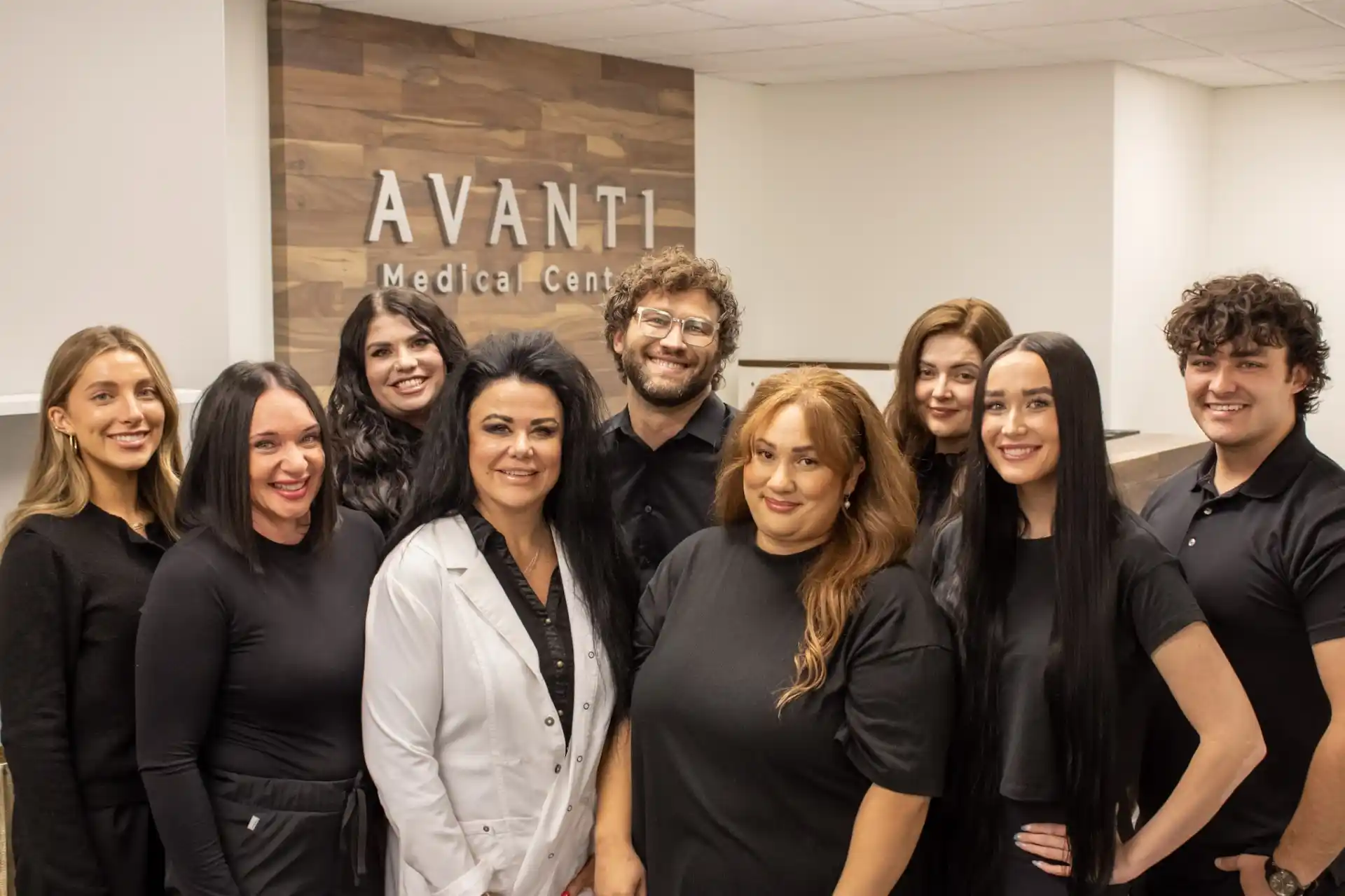
Avante Recovery Center
Lehi, UT
- Detox
- Residential
- MAT
Substance use treatment · Cognitive behavioral therapy · Dialectical behavior therapy
Accepts: Cash or self-payment, Private health insurance
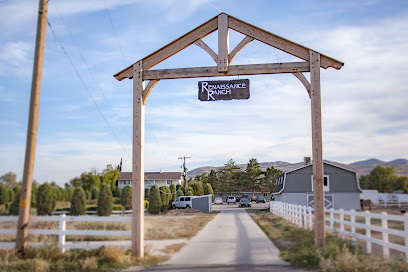
Renaissance Ranch Bluffdale Mens
Riverton, UT
- Detox
- Residential
- MAT
Substance use treatment · Cognitive behavioral therapy · Dialectical behavior therapy
Accepts: Cash or self-payment, Medicaid, State-financed health insurance plan other than Medicaid
Renew Wellness and Recovery
Herriman, UT
- Detox
- Residential
- MAT
Substance use treatment · Cognitive behavioral therapy · Dialectical behavior therapy
Accepts: Cash or self-payment, Private health insurance