


At a Glance
Location
225 Penn Avenue, Pittsburgh, PA 15221
Phone
412-864-5300Primary Focus
Treatment Settings
Treatment Approaches
Special Programs
About UPMC Western Psychiatric Hospital Narcotic Addiction Treatment Prog
POWER Restore is a women-focused detox and rehab program located on the POWER Campus in Pittsburgh, PA, offering integrated medical detox and residential treatment for women navigating substance use and co-occurring disorders. Part of the broader PA Organization for Women in Early Recovery (POWER) network, the program brings together clinical, medical, and recovery support services under one roof.
POWER Restore is a specialty substance use treatment program within the PA Organization for Women in Early Recovery (POWER) network, situated at 225 Penn Avenue in Pittsburgh's Allegheny County. As one component of a larger campus-based recovery ecosystem that includes residential and support programming, POWER Restore focuses specifically on women at an early and critical stage of recovery — offering a program designed from the ground up around the realities women face when entering treatment.
The program provides two core levels of care: medical detox and residential treatment. The integrated clinical, medical, and recovery support team work together through both stages, meaning women who begin with medically supervised detox can transition into the residential rehab component without changing facilities or care teams. That continuity is a practical advantage for anyone managing withdrawal alongside deeper treatment work in a single, coordinated setting.
Clinically, POWER Restore uses Cognitive Behavioral Therapy (CBT) as a core therapeutic method. The program addresses co-occurring disorders and dual diagnosis alongside substance use, and it also treats trauma and PTSD — conditions that frequently intersect with substance use disorders, particularly among women. This dual-diagnosis and trauma-informed scope means the program is equipped to address more than the surface-level symptoms of addiction.
POWER Restore specifically serves women, including pregnant women and individuals who are deaf or hard of hearing — populations that often face significant barriers to accessing appropriate addiction treatment. Payment options include Medicaid, private insurance, sliding scale fees, and self-pay, making the program financially accessible to a range of situations. For women in the Pittsburgh area seeking residential treatment or medical detox with a program built around their specific needs, POWER Restore represents a focused and specialized option within a well-established recovery organization.
Detox and Residential Treatment for Women in Pittsburgh
POWER Restore occupies a distinct role in Pittsburgh's addiction treatment landscape: a program built specifically for women, offering both medical detox and residential treatment within a single integrated setting. Rather than navigating separate facilities at different stages of early recovery, women at POWER Restore move through detox and into residential rehab supported by the same clinical, medical, and recovery support team throughout.
Located on the POWER Campus at 225 Penn Avenue in Pittsburgh, POWER Restore is part of the PA Organization for Women in Early Recovery — a network that includes screening and assessment services, residential programming through POWER House, and continuing recovery support through POWER New Day. That organizational context means residents at POWER Restore are entering a recovery community, not just a standalone treatment episode.
Treating Co-Occurring Disorders and Trauma in Women's Recovery
Many women entering substance use treatment are dealing with more than one challenge at once. POWER Restore is designed to address co-occurring disorders and dual diagnosis, as well as trauma and PTSD — conditions that frequently underlie or complicate substance use disorders. Cognitive Behavioral Therapy (CBT) is the confirmed therapeutic method used in the program, providing a structured, skills-based framework for understanding and changing the thought patterns connected to substance use and emotional distress.
This clinical scope matters for long-term recovery outcomes. Treating trauma and mental health conditions alongside the substance use disorder itself — rather than in sequence — means women leave the residential program with more than sobriety. The goal is to address the full picture of what brought someone into treatment and what they will need to sustain recovery after discharge.
Who POWER Restore Serves and How to Access Care
POWER Restore serves women, including pregnant women and individuals who are deaf or hard of hearing. These are populations with distinct treatment needs that general mixed-gender or general-population programs may not be equipped to fully address. By focusing exclusively on women and building in access for those with hearing disabilities, POWER Restore removes barriers that often prevent people from entering or completing treatment.
The program accepts Medicaid, private insurance, and self-pay, and offers a sliding scale fee option for those who qualify. Administrative hours run Monday through Friday, 8:30 AM to 5:00 PM. Prospective clients or family members can reach the program by phone at (412) 243-8755 or by email at [email protected]. For families supporting a woman in early recovery in the Pittsburgh, PA area, POWER Restore's combination of medical detox, residential treatment, and specialized populations focus makes it a program worth a direct conversation.
POWER Restore Within the Broader Recovery Community
One of the practical advantages of choosing a program connected to a larger recovery organization is the continuity it offers beyond the residential stay. POWER Restore sits within the PA Organization for Women in Early Recovery ecosystem, which includes multiple program components serving women at different stages — from initial screening through residential care and into ongoing support. For women thinking about what recovery looks like after treatment, not just during it, that organizational structure is meaningful context.
Substance use treatment that accounts for what comes next — the return to community, the maintenance of recovery, the management of co-occurring mental health — is treatment that takes the long view. POWER Restore's positioning within the POWER network reflects that broader orientation toward sustained recovery, not just short-term stabilization.
Why Choose UPMC Western Psychiatric Hospital Narcotic Addiction Treatment Prog
- Women-only medical detox and residential treatment on a single integrated campus, eliminating the need to transfer facilities between levels of care
- Explicitly serves pregnant women and deaf or hard-of-hearing individuals — populations often underserved by general addiction treatment programs
- Treats trauma and PTSD alongside substance use disorders, addressing co-occurring conditions that are common among women entering recovery
- Part of the larger POWER (PA Organization for Women in Early Recovery) network, connecting residents to an established community of women in recovery
- Multiple payment pathways including Medicaid, private insurance, sliding scale, and self-pay make residential treatment accessible across income levels
Frequently Asked Questions
What levels of care does POWER Restore offer?
POWER Restore offers medical detox and residential treatment. The program is designed so that women can move through both levels of care with the same integrated clinical, medical, and recovery support team, providing continuity from detox through the residential rehab phase.
Is POWER Restore designed for a specific population?
Yes. POWER Restore serves women specifically, including pregnant women and individuals who are deaf or hard of hearing. The program is part of the PA Organization for Women in Early Recovery (POWER) and is built around the treatment needs of women in early recovery.
Does POWER Restore treat mental health conditions alongside substance use?
POWER Restore treats co-occurring disorders and dual diagnosis, as well as trauma and PTSD. Addressing these conditions alongside substance use is a core part of the program's clinical scope, not an add-on service.
What therapeutic approach does POWER Restore use?
Cognitive Behavioral Therapy (CBT) is the confirmed therapeutic method used at POWER Restore. CBT is a structured, skills-focused approach that helps individuals identify and change the thought patterns connected to substance use and related mental health challenges.
What payment options are accepted at POWER Restore?
POWER Restore accepts Medicaid, private insurance, and self-pay. A sliding scale fee option is also available for those who qualify, making the program financially accessible to women across a range of income situations.
Where is POWER Restore located?
POWER Restore is located at 225 Penn Avenue, Suite 3-S, Pittsburgh, PA 15221, in Allegheny County. It operates as part of the POWER Campus, which houses multiple program components within the PA Organization for Women in Early Recovery network.
How can I contact POWER Restore to learn more or start the process?
POWER Restore can be reached by phone at (412) 243-8755 or by email at [email protected]. Administrative hours are Monday through Friday, 8:30 AM to 5:00 PM. The facility's website is www.power-recovery.com.
Is POWER Restore part of a larger recovery organization?
Yes. POWER Restore is one program within the PA Organization for Women in Early Recovery (POWER), which also includes a screening and assessment service called POWER Line, a residential treatment component called POWER House, and a continuing support program called POWER New Day. This network structure means residents are connecting to a broader community of women in recovery.
Does POWER Restore serve pregnant women?
Yes. Pregnant women are among the confirmed populations served by POWER Restore. The program is specifically designed for women at various life stages, including those who are pregnant and seeking substance use treatment.
Is POWER Restore equipped to serve individuals who are deaf or hard of hearing?
Yes. POWER Restore is confirmed to serve individuals who are deaf or hard of hearing, a population that frequently encounters access barriers in general addiction treatment settings. This focus on accessibility reflects the program's broader commitment to serving women who may face unique challenges in reaching treatment.
Nearby Treatment Centers

Pyramid Healthcare Inc Pyramid Pittsburgh
Pittsburgh, PA
- Detox
- Residential
- MAT
Substance use treatment · Accepts clients on opioid medication but prescribed elsewhere · Cognitive behavioral therapy
Accepts: Cash or self-payment, Private health insurance, Military insurance
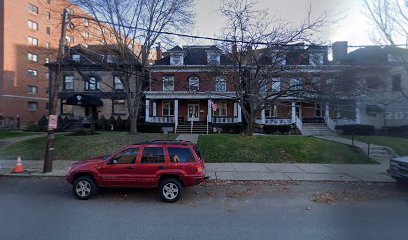
POWER House
Pittsburgh, PA
- Residential
- MAT
- Sober Living
Substance use treatment · Accepts clients on opioid medication but prescribed elsewhere · Cognitive behavioral therapy
Accepts: Cash or self-payment, Medicaid, State-financed health insurance plan other than Medicaid
Alpha House Inc
Pittsburgh, PA
- Residential
- Outpatient
Substance use treatment · Accepts clients on opioid medication but prescribed elsewhere · Cognitive behavioral therapy
Accepts: Cash or self-payment, Medicaid, State-financed health insurance plan other than Medicaid
Gateway Rehab Squirrel Hill
Pittsburgh, PA
- PHP
- IOP
- MAT
Substance use treatment · Cognitive behavioral therapy · Dialectical behavior therapy
Accepts: Cash or self-payment, Medicaid, State-financed health insurance plan other than Medicaid
Familylinks
Pittsburgh, PA
- PHP
- IOP
- MAT
Substance use treatment · Cognitive behavioral therapy · Dialectical behavior therapy
Accepts: Cash or self-payment, Medicaid, Medicare
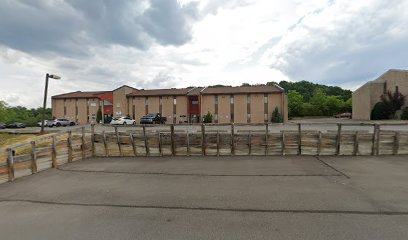
Discovery House PA
Pittsburgh, PA
- Outpatient
- MAT
Substance use treatment · All Clients in Opioid Treatment Program · SAMHSA-certified Opioid Treatment Program
Accepts: Cash or self-payment, Medicaid, Private health insurance