


At a Glance
Location
2020 Newburg Road, Louisville, KY 40205
Phone
502-451-3330Primary Focus
Treatment Settings
Treatment Approaches
Special Programs
About UofL Health-Peace Hospital
UofL Health – Peace Hospital in Louisville, KY offers a full continuum of addiction treatment, from medical detox through residential treatment and outpatient programming. As part of the UofL Health system, this not-for-profit behavioral health hospital serves adolescents, seniors, and individuals who are Deaf or hard of hearing, and treats co-occurring disorders alongside substance use — making it a recovery center built for the long road, not just the first step.
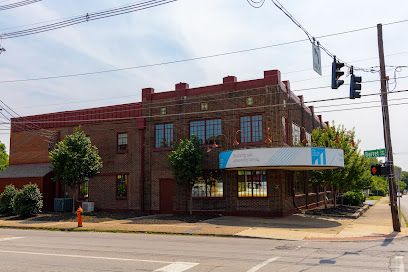
UofL Health – Peace Hospital is a private, not-for-profit behavioral health and psychiatric care hospital located at 2020 Newburg Road in Louisville, Kentucky. Operating around the clock every day of the week, it sits within the UofL Health system and functions as a dedicated substance use treatment facility — one that approaches addiction recovery as part of a broader behavioral health picture, not as an isolated medical event.
The facility offers one of the more complete continuums of care available in Louisville. Medical detox provides a supervised starting point for people entering recovery, followed by residential treatment for those who need structured, immersive support. For individuals transitioning out of higher levels of care or managing recovery alongside daily life, an outpatient program and an intensive outpatient program (IOP) are both available — giving people the flexibility to step down gradually and stay connected to treatment over the longer arc of their recovery.
Cognitive Behavioral Therapy (CBT) anchors the clinical work at Peace Hospital, a method well-suited to the dual-focus care the facility provides. The hospital formally treats co-occurring disorders and dual diagnosis cases, meaning people dealing with both substance use and conditions such as trauma or PTSD can receive integrated care under one roof rather than being routed between separate systems. That integration matters in long-term recovery, where unaddressed mental health conditions are a common driver of relapse.
Peace Hospital extends its reach to populations that are often underserved elsewhere. Adolescents, seniors and older adults, and individuals who are Deaf or hard of hearing are all specifically served here. On the financial side, the facility accepts Medicaid, Medicare, TRICARE, private insurance, state insurance, self-pay, and financial assistance — a broad access structure that removes common barriers for people at various stages of planning their recovery.
A Continuum of Care Built for Long-Term Recovery
Recovery rarely follows a straight line, and UofL Health – Peace Hospital structures its addiction treatment programs to reflect that reality. From medical detox at the front end to residential treatment, standard outpatient programming, and intensive outpatient (IOP) at later stages, the facility offers multiple levels of care under one system — meaning individuals can move through treatment phases without the disruption of switching providers.
The intensive outpatient program is particularly relevant for people in ongoing recovery who need structured clinical support while maintaining work, family, or community commitments. Rather than treating IOP as a standalone offering, Peace Hospital situates it within a broader step-down model that keeps people connected to their recovery community and clinical team as they transition toward greater independence.
Dual Diagnosis and Trauma-Informed Substance Abuse Treatment
For many people entering addiction treatment, substance use does not exist in isolation. UofL Health – Peace Hospital formally treats co-occurring disorders and dual diagnosis cases, integrating care for conditions like trauma and PTSD alongside substance abuse treatment. This matters in the context of sustained recovery: mental health conditions that go unaddressed during rehab are among the most common contributors to relapse after discharge.
Cognitive Behavioral Therapy (CBT) is the confirmed clinical method used at Peace Hospital, a structured, skills-based approach that helps individuals identify and shift the thought patterns underlying addictive behavior. When applied to dual diagnosis cases, CBT provides a framework that works across both the substance use and the co-occurring condition simultaneously — supporting the kind of integrated recovery that longer-term sobriety requires.
Who Peace Hospital Serves
UofL Health – Peace Hospital serves a broader range of populations than many substance abuse treatment centers in Kentucky. Adolescents, seniors and older adults, and individuals who are Deaf or hard of hearing are all specifically included — a deliberate design choice that reflects the hospital's behavioral health roots and its commitment to accessibility across the community.
The facility accepts a wide range of payment methods: Medicaid, Medicare, TRICARE, private insurance, state insurance, self-pay and cash, and financial assistance. That coverage spans many of the most common financial situations people face when entering residential treatment or outpatient programs, reducing one of the most practical barriers to starting — and staying in — recovery.
Getting Started at Peace Hospital in Louisville, KY
UofL Health – Peace Hospital operates 24 hours a day, seven days a week, at 2020 Newburg Road in Louisville, Kentucky. The facility can be reached directly at (502) 451-3330, and its location within Jefferson County places it at the center of one of Kentucky's largest population centers — accessible for families and individuals throughout the Louisville area who are beginning to evaluate their recovery options.
Whether someone is looking at medical detox as a first step or exploring residential treatment and outpatient programming as part of a longer-term recovery plan, the 24-hour availability means there is no waiting for a weekday or business hours to make that first call. For families supporting a loved one, that accessibility can matter as much as any clinical detail.
Why Choose UofL Health-Peace Hospital
- Full continuum from medical detox to IOP — supports step-down recovery planning without transferring facilities
- Integrated dual diagnosis treatment addresses co-occurring trauma and PTSD alongside substance use disorders
- Specifically serves adolescents, seniors, and individuals who are Deaf or hard of hearing — populations underserved at many recovery centers
- Part of the UofL Health system, a not-for-profit hospital network with deep roots in Louisville behavioral health
- Accepts Medicaid, Medicare, TRICARE, private insurance, state insurance, and financial assistance — broad financial access for long-term treatment planning
Frequently Asked Questions
What levels of care does UofL Health – Peace Hospital offer for addiction treatment?
Peace Hospital provides four levels of addiction treatment: medical detox, residential treatment, a standard outpatient program, and an intensive outpatient program (IOP). This continuum allows people to begin with medically supervised detox and step down through progressively less intensive levels of care as their recovery progresses — all within the same hospital system.
Does Peace Hospital treat co-occurring mental health conditions alongside substance use?
Yes. UofL Health – Peace Hospital formally treats co-occurring disorders and dual diagnosis cases, including trauma and PTSD. Integrated treatment for both substance use and mental health conditions is a core part of what the facility offers, rather than an add-on service.
What therapy approaches are used at Peace Hospital's rehab programs?
Cognitive Behavioral Therapy (CBT) is the confirmed therapeutic method used at Peace Hospital. CBT is a structured approach that helps people identify and change the thought and behavior patterns that contribute to substance use, and it is well-suited to dual diagnosis treatment where substance use and mental health conditions overlap.
Does Peace Hospital serve adolescents as well as adults?
Yes. Adolescents are among the specific populations served at UofL Health – Peace Hospital, alongside seniors and older adults. This is notable because many substance abuse treatment and residential treatment programs are designed exclusively for adults, making Peace Hospital a less common option for younger individuals and their families.
Is Peace Hospital accessible for individuals who are Deaf or hard of hearing?
Yes. UofL Health – Peace Hospital specifically identifies individuals who are Deaf or hard of hearing as a population it serves. For families and individuals in this community seeking addiction treatment or outpatient programs in Louisville, that confirmed accessibility is an important factor in choosing a recovery center.
What payment options are accepted at UofL Health – Peace Hospital?
The facility accepts Medicaid, Medicare, TRICARE, private insurance, state insurance, self-pay and cash, and financial assistance. This range covers many common financial situations, including veterans using TRICARE, older adults on Medicare, and individuals who need financial assistance to access residential treatment or outpatient programming.
Is UofL Health – Peace Hospital open 24 hours a day?
Yes. Peace Hospital operates 24 hours a day, seven days a week. For people or families in crisis or ready to take a first step toward recovery, that around-the-clock availability means you can call (502) 451-3330 at any time — no need to wait for standard business hours.
What is the difference between the outpatient program and the intensive outpatient program (IOP) at Peace Hospital?
Both are confirmed levels of care at UofL Health – Peace Hospital. An intensive outpatient program (IOP) typically involves a higher frequency of clinical sessions per week than a standard outpatient program, making IOP a common step-down option after residential treatment. A standard outpatient program allows for continued recovery support with greater scheduling flexibility for those further along in their recovery.
Where is UofL Health – Peace Hospital located?
The facility is located at 2020 Newburg Road in Louisville, Kentucky 40205, in Jefferson County. It is part of the UofL Health system and can be reached by phone at (502) 451-3330.
Nearby Treatment Centers
Morton Center
Louisville, KY
- PHP
- IOP
- MAT
Substance use treatment · Accepts clients on opioid medication but prescribed elsewhere · Cognitive behavioral therapy
Accepts: Cash or self-payment, Medicaid, Medicare

Dr Donald T Stokes and Associates Inc
Louisville, KY
- Outpatient
Substance use treatment · Does not treat opioid addiction · Cognitive behavioral therapy
Accepts: Cash or self-payment, Military families
VOA Recovery Freedom House 1
Louisville, KY
- IOP
- MAT
Substance use treatment · Accepts clients on opioid medication but prescribed elsewhere · Cognitive behavioral therapy
Accepts: Cash or self-payment, Medicaid, State-financed health insurance plan other than Medicaid
VOA Recovery Shelby Mens Recovery Center
Louisville, KY
- Residential
- MAT
- Sober Living
Substance use treatment · Accepts clients on opioid medication but prescribed elsewhere · Cognitive behavioral therapy
Accepts: Medicaid
VOA Recovery Freedom House 2 Residential Services
Louisville, KY
- IOP
- MAT
- Sober Living
Substance use treatment · Accepts clients on opioid medication but prescribed elsewhere · All Clients in Opioid Treatment Program
Accepts: Cash or self-payment, Medicaid, State-financed health insurance plan other than Medicaid
JourneyPure Louisville
Louisville, KY
- PHP
- IOP
- MAT
- Sober Living
Substance use treatment · Accepts clients on opioid medication but prescribed elsewhere · Cognitive behavioral therapy
Accepts: Cash or self-payment, Medicaid, State-financed health insurance plan other than Medicaid