


At a Glance
Primary Focus
Treatment Settings
Treatment Approaches
Special Programs
About Transitions Residential Treatment Facility
Transitions Residential Treatment Facility in Erlanger, Kentucky offers women a structured continuum of care that spans Partial Hospitalization, Intensive Outpatient programming, and sober living — all under one recovery community. CARF-accredited and serving Kentucky, Ohio, and Indiana, Transitions accepts Medicaid and multiple major insurance carriers, making longer-term recovery accessible across the tri-state region.
Transitions Residential Treatment Facility is a CARF-accredited women's addiction treatment and recovery center located at 313 Madison Pike in Erlanger, Kentucky — in Kenton County, just outside Cincinnati. Operating 24 hours a day and drawing clients from Kentucky, Ohio, and Indiana, the facility focuses on the full arc of recovery rather than a single point of intervention, connecting women to structured programming, recovery housing, and ongoing community support throughout their time in care and beyond.
The center offers three distinct levels of care: Partial Hospitalization (PHP), Intensive Outpatient (IOP), and Sober Living. This stepped continuum allows women to move between levels as their recovery progresses, maintaining clinical support during the more intensive phases and transitioning into safe, affordable recovery housing as they build independence. The sober living component is not an afterthought — it is a defined program element, supported by recovery housing that is listed among the facility's core features.
Transitions grounds its work in a range of confirmed therapeutic methods including Cognitive Processing Therapy, Individual and Group Therapy, Family Education and Therapy, Substance Use Disorder Education and Counseling, Mental Health Therapy, Case Management, the Transtheoretical Change Model, and Value Based Living. The facility treats Substance Use Disorder, Co-occurring Disorders, Mental Health conditions, Opioid Use Disorder, and Gambling Disorder — a breadth that reflects its commitment to addressing the full picture of what women entering recovery are managing. Targeted Case Management and connection to the Grateful Life Center therapeutic community extend support well past the formal treatment episode.
Transitions serves women exclusively, which shapes everything from its group therapy culture to its family programming. Aftercare support through the Recovery Housing Program and Targeted Case Management means clients are not handed a discharge summary and sent on their way — they are linked to a continuing network. The facility accepts Traditional Kentucky, Ohio, and Indiana Medicaid, along with Aetna, Humana, Anthem, Molina, UnitedHealthcare, and Wellcare, reducing financial barriers for women across the tri-state service area who are ready to commit to sustained recovery.
A Women's Recovery Community Built for the Long Haul
Transitions Residential Treatment Facility is not structured around a single level of care. Instead, the Erlanger, KY center offers a layered continuum — Partial Hospitalization, Intensive Outpatient, and Sober Living — designed so that women can move through progressively less intensive phases of treatment while remaining connected to the same recovery community. That continuity matters. Relationships built in PHP carry into IOP, and IOP connections follow women into the sober living program.
The facility operates 24 hours a day and draws women from across Kentucky, Ohio, and Indiana, reflecting both the regional need for this type of women-specific care and the reach of the Transitions model. Recovery housing described as safe and affordable is not marketing language here — it is a named program feature, and it anchors the back half of the treatment continuum for women making the transition back to independent living.
Treatment Approaches and Conditions Addressed
Transitions treats a wider range of conditions than many outpatient programs in the region. Beyond Substance Use Disorder, the facility addresses Co-occurring Disorders, Mental Health conditions, Opioid Use Disorder, and Gambling Disorder — recognizing that women entering treatment rarely arrive with a single, isolated diagnosis. Therapeutic methods include Cognitive Processing Therapy, Group and Individual Therapy, Family Education and Therapy, Substance Use Disorder Education and Counseling, Mental Health Therapy, and Case Management, alongside the Transtheoretical Change Model and Value Based Living frameworks.
Family involvement is built into the clinical model through Family Education and Therapy, which matters for women whose recovery is deeply intertwined with family relationships and responsibilities. Case Management runs alongside clinical programming, helping women navigate practical barriers — housing, benefits, community resources — that can otherwise derail recovery even when clinical work is going well.
Aftercare and Community Connection at Transitions
Recovery at Transitions does not end at discharge. The facility's aftercare structure includes a Recovery Housing Program, Targeted Case Management, and a defined connection to the Grateful Life Center therapeutic community — a continuum of support that keeps women linked to peer and professional resources as they re-establish their lives. For an audience evaluating long-term recovery partners rather than a single episode of care, this infrastructure is a meaningful differentiator.
The Grateful Life Center connection in particular reflects a community-oriented philosophy: women completing the Transitions program have a named pathway into a broader therapeutic community, not just a referral list. Targeted Case Management ensures that individualized support continues to address the practical and clinical needs that accompany sustained recovery, especially in the months immediately following residential or intensive outpatient treatment.
Insurance, Payment, and Access Across the Tri-State Region
Transitions accepts a broad range of insurance coverage, including Traditional Medicaid from Kentucky, Ohio, and Indiana — a practical acknowledgment that the women they serve come from across the tri-state area and carry diverse coverage. The facility also works with Aetna (including Kentucky and Ohio Aetna Better Health plans), Anthem, Humana Healthy Horizons, Molina Healthcare, Passport Health by Molina, UnitedHealthcare, Wellcare, Buckeye Health, CareSource, AmeriHealth Caritas, and MDwise.
For women and families navigating the cost of substance abuse treatment and longer-term recovery programming, that insurance breadth is significant. CARF accreditation provides an independent quality benchmark, confirming that Transitions meets recognized standards for addiction treatment and residential services. Prospective clients and their families can reach the facility at (859) 491-4435 or visit transitionsky.org to learn more about the admissions process.
Why Choose Transitions Residential Treatment Facility
- Women-only residential treatment and sober living community in Erlanger, KY — serving a tri-state region across Kentucky, Ohio, and Indiana
- Integrated continuum from Partial Hospitalization through Intensive Outpatient to on-site Recovery Housing, all within one program
- CARF-accredited facility with aftercare rooted in Targeted Case Management and connection to the Grateful Life Center therapeutic community
- Treats Co-occurring Disorders, Opioid Use Disorder, Gambling Disorder, and Mental Health alongside Substance Use Disorder — not just addiction in isolation
- Broad insurance access including Traditional Medicaid from three states plus Aetna, Anthem, Humana, Molina, UnitedHealthcare, and Wellcare
Frequently Asked Questions
What levels of care does Transitions offer for women in recovery?
Transitions offers Partial Hospitalization (PHP), Intensive Outpatient (IOP), and Sober Living. These three levels form a continuum that allows women to step down from more intensive programming into recovery housing while maintaining connection to the treatment community. The phased structure is designed to support longer-term recovery rather than a single episode of care.
Does Transitions serve only women?
Yes. Transitions Residential Treatment Facility is a women-only program. All clinical services, group therapy, and sober living housing are structured specifically for women navigating addiction treatment and recovery.
What conditions does Transitions treat beyond substance use?
Transitions treats Substance Use Disorder, Co-occurring Disorders, Mental Health conditions, Opioid Use Disorder, and Gambling Disorder. The ability to address co-occurring mental health conditions alongside addiction is a core part of the facility's clinical scope, recognizing that many women entering treatment are managing more than one diagnosis.
What aftercare and community support does Transitions provide?
Aftercare at Transitions includes a Recovery Housing Program, Targeted Case Management, and a connection to the Grateful Life Center therapeutic community. These resources are designed to keep women supported after formal treatment ends, addressing both clinical and practical needs during the ongoing recovery process.
Does Transitions accept Medicaid?
Yes. Transitions accepts Traditional Medicaid from Kentucky, Ohio, and Indiana, as well as several managed Medicaid plans including Aetna Better Health, Humana Healthy Horizons, Passport Health by Molina, Wellcare, Buckeye Health, CareSource, AmeriHealth Caritas, and MDwise. This coverage breadth reflects the facility's tri-state service area.
What private insurance plans does Transitions accept?
In addition to Medicaid, Transitions accepts Aetna, Anthem, Humana, Molina Healthcare, UnitedHealthcare, and Wellcare. Families and individuals considering treatment are encouraged to contact the facility directly at (859) 491-4435 to confirm current coverage and benefits.
Is Transitions accredited?
Yes. Transitions Residential Treatment Facility holds CARF accreditation. CARF is an internationally recognized accrediting body that evaluates addiction treatment and residential programs against established quality standards.
What states does Transitions serve?
Transitions serves women from Kentucky, Ohio, and Indiana. The facility is located in Erlanger, KY — in Kenton County near the Ohio border — making it geographically accessible for women across the greater tri-state region seeking residential treatment, outpatient programming, or sober living.
What therapeutic approaches does Transitions use?
Transitions uses a range of confirmed therapeutic methods including Cognitive Processing Therapy, Individual Therapy, Group Therapy, Family Education and Therapy, Substance Use Disorder Education and Counseling, Mental Health Therapy, Case Management, the Transtheoretical Change Model, and Value Based Living. These approaches are applied across the PHP, IOP, and sober living levels of care.
Does Transitions include family support in its programs?
Yes. Family Education and Therapy is a confirmed component of the Transitions treatment model. Family involvement is incorporated into the clinical programming, recognizing that recovery for women is often closely tied to family relationships and dynamics.
Nearby Treatment Centers
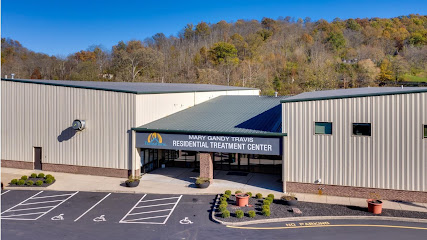
Transitions Inc Intensive Outpatient/Outpatient
Fort Mitchell, KY
- IOP
- MAT
Substance use treatment · Accepts clients on opioid medication but prescribed elsewhere · Cognitive behavioral therapy
Accepts: Cash or self-payment, Medicaid, State-financed health insurance plan other than Medicaid
Gratetful Life Center
Fort Mitchell, KY
- Residential
- PHP
- Outpatient
- Sober Living
Substance use treatment · Does not use medication for opioid addiction · Substance abuse counseling
Accepts: Cash or self-payment, Payment assistance, Military families
Renew Recovery
Fort Mitchell, KY
- Detox
- IOP
- MAT
Substance use treatment · Cognitive behavioral therapy · Dialectical behavior therapy
Accepts: Cash or self-payment, Medicare, State-financed health insurance plan other than Medicaid
Applegate Recovery
Fort Mitchell, KY
- Outpatient
- MAT
Substance use treatment · All Clients in Opioid Treatment Program · Cognitive behavioral therapy
Accepts: Cash or self-payment, Private health insurance
Addiction Recovery Care (ARC)
Fort Mitchell, KY
- IOP
- MAT
Substance use treatment · Cognitive behavioral therapy · Dialectical behavior therapy
Accepts: Cash or self-payment, Medicaid, Private health insurance
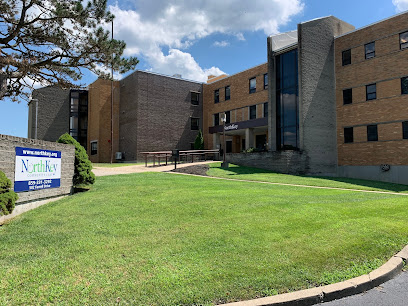
NorthKey Community Care
Covington, KY
- Outpatient
Substance use treatment · Accepts clients on opioid medication but prescribed elsewhere · Cognitive behavioral therapy
Accepts: Cash or self-payment, Medicaid, Medicare