


At a Glance
Location
29875 West 339th Street, Osawatomie, KS 66064
Phone
913-755-4357Primary Focus
Treatment Settings
Treatment Approaches
About Sunflower Wellness Retreat
Sunflower Recovery Center in Osawatomie, Kansas offers residential treatment, outpatient programming, and intensive outpatient care for adults navigating substance use and co-occurring disorders. Accredited by the Joint Commission, the center serves a wide range of populations — including veterans, young adults, and pregnant women — using Cognitive Behavioral Therapy as a core treatment method.
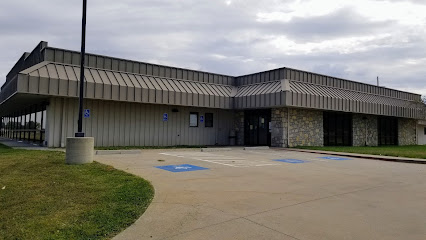
Sunflower Recovery Center is a Joint Commission-accredited substance use treatment facility located at 29875 West 339th Street in Osawatomie, Kansas, serving Miami County and the broader region. The center operates around the clock, seven days a week, making it accessible to individuals and families at any stage of the recovery process. For those searching for a recovery center that addresses the full arc of treatment — not just crisis stabilization — Sunflower offers a structured continuum of care designed to support lasting sobriety.
The facility provides three distinct levels of care: residential treatment, a standard outpatient program, and an intensive outpatient program (IOP). Residential treatment allows individuals to live on-site and fully immerse themselves in the recovery process, while the IOP and outpatient program give people the flexibility to maintain work, family, and community commitments as they progress through substance abuse treatment. This tiered structure means clients can step down through levels of care without leaving the program entirely.
Cognitive Behavioral Therapy (CBT) anchors the clinical approach at Sunflower Recovery Center. CBT is a structured, skills-based method that helps people identify and shift the thought patterns driving addictive behavior — a practical fit for co-occurring disorders and trauma recovery alike. The center also addresses Trauma and PTSD alongside substance use, and carries a dual diagnosis designation, meaning clinicians are equipped to treat mental health conditions alongside addiction in an integrated way.
Sunflower Recovery Center serves a notably broad population, including veterans — with TRICARE accepted as a payment option — as well as pregnant women, young adults ages 18 to 25, seniors, men, women, court-ordered individuals, and those requiring HIV/AIDS support. Private insurance and self-pay are also accepted. This breadth of population-specific experience, combined with Joint Commission accreditation and a 24/7 operational schedule, positions Sunflower as a serious long-term recovery partner for individuals and families in Kansas.
A Continuum of Addiction Treatment in Osawatomie, Kansas
Sunflower Recovery Center offers a full continuum of substance abuse treatment from its Osawatomie, Kansas campus — including residential treatment for those who benefit from an immersive, on-site recovery environment, and both standard outpatient and intensive outpatient programs for those who need flexibility. This structure allows individuals to move through treatment levels as they build stability, rather than transitioning to an entirely new provider at each stage.
The intensive outpatient program (IOP) in particular bridges the gap between residential care and independent living — a critical phase in long-term recovery where relapse risk often runs high. Having IOP and outpatient services under the same accredited roof means continuity of care is built into the program, not added on as an afterthought.
Treating Co-Occurring Disorders and Trauma Alongside Addiction
Sunflower Recovery Center holds a dual diagnosis designation, meaning the clinical team addresses mental health conditions — including Trauma and PTSD — as part of the substance abuse treatment process rather than as a separate concern. For many people in recovery, unresolved trauma is a primary driver of substance use, and treating only the addiction without addressing that layer often leads to relapse.
Cognitive Behavioral Therapy (CBT) is the confirmed therapeutic method in use at the center. CBT equips clients with concrete tools to recognize and interrupt the thought cycles that sustain addictive behavior, and it has a strong track record in both addiction treatment and trauma recovery — making it a practical fit for the dual diagnosis population Sunflower serves.
Who Sunflower Recovery Center Serves
The center serves a wide range of populations, including veterans, pregnant women, young adults between 18 and 25, seniors, men, women, individuals with HIV/AIDS support needs, and those entering treatment through court orders. TRICARE is accepted alongside private insurance and self-pay, making the program accessible to military families navigating substance use and co-occurring conditions.
This breadth is significant for families evaluating a long-term recovery partner: having specialized experience across multiple populations means the treatment team is accustomed to adapting care rather than applying a single template. The 24/7 operating schedule further reflects a facility built for real recovery timelines, not business-hours-only access.
Accreditation and Payment at Sunflower Recovery Center
Sunflower Recovery Center holds accreditation from the Joint Commission (JCAHO), one of the most recognized standards bodies in behavioral health and addiction treatment. For individuals and families comparing recovery centers, Joint Commission accreditation provides an independently verified measure of clinical and operational quality.
Payment options include private insurance, TRICARE for eligible veterans and military family members, and self-pay or cash. The center operates year-round, seven days a week, with no gaps in availability across the week. Individuals ready to explore residential treatment, IOP, or outpatient programming can reach Sunflower Recovery Center at (913) 755-4357 or through their website at sunflowerwellnessretreat.com.
Why Choose Sunflower Wellness Retreat
- Joint Commission (JCAHO) accreditation signals a verified standard of care for individuals and families evaluating long-term recovery options
- Three-level continuum — residential treatment, IOP, and outpatient — supports a structured step-down through recovery without switching facilities
- Dual diagnosis treatment integrates trauma and PTSD care directly into the substance abuse treatment program
- Dedicated service to veterans with TRICARE accepted, alongside specialized support for pregnant women, seniors, and court-ordered individuals
- 24/7 availability, seven days a week, removes scheduling barriers for families and individuals ready to begin the recovery process
Frequently Asked Questions
What levels of care does Sunflower Recovery Center offer?
Sunflower Recovery Center offers three levels of care: residential treatment, an intensive outpatient program (IOP), and a standard outpatient program. This continuum allows individuals to begin in a more structured residential setting and step down to outpatient care as their recovery progresses — all within the same accredited facility.
Does Sunflower Recovery Center treat co-occurring mental health conditions?
Yes. The center carries a dual diagnosis designation and specifically treats Trauma and PTSD alongside substance use disorders. Cognitive Behavioral Therapy (CBT) is used as a core therapeutic method, which supports both addiction recovery and trauma treatment within an integrated program.
Is Sunflower Recovery Center accredited?
Sunflower Recovery Center is accredited by the Joint Commission (JCAHO). Joint Commission accreditation is a nationally recognized benchmark for quality in behavioral health and substance abuse treatment, and it signals that the facility meets rigorous standards for clinical care and operations.
Does Sunflower Recovery Center accept veterans and TRICARE?
Yes. Veterans are among the populations specifically served at Sunflower Recovery Center, and the facility accepts TRICARE as a payment option. The center also works with private insurance and self-pay arrangements.
What populations does Sunflower Recovery Center specialize in serving?
The center serves a broad range of individuals, including veterans, pregnant women, young adults ages 18 to 25, seniors, men, women, people with HIV/AIDS support needs, and court-ordered individuals. This range of population-specific experience makes it a versatile option for families evaluating long-term recovery support.
What therapy approaches are used at Sunflower Recovery Center?
Cognitive Behavioral Therapy (CBT) is the confirmed therapeutic method used at Sunflower Recovery Center. CBT focuses on identifying and changing thought patterns that drive addictive behavior, and it is commonly applied in both addiction treatment and co-occurring disorder care.
What are Sunflower Recovery Center's hours?
Sunflower Recovery Center operates 24 hours a day, seven days a week, including weekends. This around-the-clock schedule means individuals and families can reach out or begin the intake process at any time.
Where is Sunflower Recovery Center located?
The center is located at 29875 West 339th Street in Osawatomie, Kansas 66064, in Miami County. It can be reached by phone at (913) 755-4357 or online at sunflowerwellnessretreat.com.
What payment options does Sunflower Recovery Center accept?
Sunflower Recovery Center accepts private insurance, TRICARE, and self-pay or cash. Individuals are encouraged to contact the center directly to confirm whether their specific insurance plan is accepted.
Is Sunflower Recovery Center a good fit for someone stepping down from a higher level of care?
Yes. The center's three-tiered continuum — residential treatment, IOP, and outpatient — is designed to support step-down transitions within the same facility. For individuals in longer-term recovery who have completed a more intensive program elsewhere, both the IOP and outpatient options provide structured ongoing support without requiring a return to residential care.
Nearby Treatment Centers
Sunflower Subst Abuse Recovery Servs
Osawatomie, KS
- IOP
Substance use treatment · Accepts clients on opioid medication but prescribed elsewhere · Cognitive behavioral therapy
Accepts: Cash or self-payment, Medicaid, State-financed health insurance plan other than Medicaid
Elizabeth Layton Center
Paola, KS
- Outpatient
- MAT
Substance use treatment · Accepts clients on opioid medication but prescribed elsewhere · Cognitive behavioral therapy
Accepts: Cash or self-payment, Medicaid, Medicare
Eagle Recovery Services
Louisburg, KS
- Outpatient
Substance use treatment · Accepts clients on opioid medication but prescribed elsewhere · Cognitive behavioral therapy
Accepts: Cash or self-payment, Medicaid, State-financed health insurance plan other than Medicaid
Elizabeth Layton Center Ottawa
Ottawa, KS
- Outpatient
- MAT
Substance use treatment · Accepts clients on opioid medication but prescribed elsewhere · Cognitive behavioral therapy
Accepts: Cash or self-payment, Medicaid, Medicare
Recovery Services Center (RSC) Ottawa
Ottawa, KS
- Outpatient
Substance use treatment · Does not use medication for opioid addiction · Cognitive behavioral therapy
Accepts: Cash or self-payment, Medicaid, State-financed health insurance plan other than Medicaid
Southeast Kansas Mental Health Center Alcohol and Drug Abuse Services
Garnett, KS
- Outpatient
Substance use treatment · Does not use medication for opioid addiction · Cognitive behavioral therapy
Accepts: Cash or self-payment, Medicaid, Medicare