

 1 / 3
1 / 3At a Glance
Location
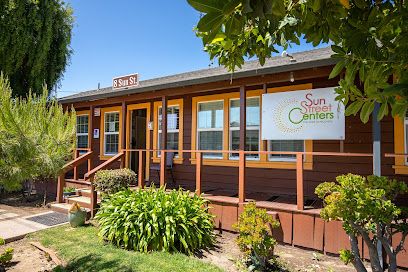
637 Broadway Street, King City, CA 93930
Phone
831-525-8181Primary Focus
Treatment Settings
Treatment Approaches
Special Programs
About Sun Street Centers Residential Recovery Services
Sun Street Centers Residential Recovery Services in King City, CA offers medical detox and residential treatment for men and women navigating substance use and co-occurring disorders. CARF-accredited and accepting Medicaid, private insurance, TRICARE, self-pay, and sliding scale payments, the center provides structured inpatient care alongside aftercare support to help residents build a foundation for long-term recovery.
Sun Street Centers Residential Recovery Services sits in King City, California — in Monterey County — and operates as a CARF-accredited residential recovery center serving both men and women who are ready to commit to a sustained recovery process. The facility addresses substance use alongside conditions like trauma, PTSD, and co-occurring disorders, recognizing that lasting recovery often requires treating the whole picture rather than a single presenting problem. For people researching longer-term addiction treatment in the Salinas Valley region, this center represents a structured inpatient option with clinical depth.
The continuum at Sun Street Centers begins with medical detox, offering supervised withdrawal management as the first clinical step before transitioning into residential treatment. That sequencing matters: residents don't have to transfer to a different facility to move from detox into longer-term rehab. Residential treatment then provides the immersive, live-in recovery environment that gives people distance from their daily triggers while building new habits and coping skills over time.
Cognitive Behavioral Therapy (CBT) anchors the clinical approach at Sun Street Centers. CBT is a structured, skills-based method that helps residents identify the thought patterns driving harmful behaviors and replace them with more adaptive responses — a particularly important tool for those also managing trauma or dual diagnosis conditions. Aftercare support is also part of the program, connecting residents to resources and planning that extend the recovery work beyond their residential stay.
Sun Street Centers serves men and women, and its clinical scope — dual diagnosis treatment, trauma and PTSD care, and CBT-informed therapy — makes it a strong fit for individuals whose recovery needs go beyond straightforward substance use alone. The facility accepts Medicaid, private insurance, TRICARE, self-pay, and offers a sliding scale, making it one of the more financially accessible residential treatment options in the area. Office hours run Monday through Friday, 8 a.m. to 5 p.m., for those ready to take the next step.
Medical Detox and Residential Treatment Under One Roof
One of the more practical realities of choosing a recovery center is continuity — the ability to move from medically supervised detox directly into residential treatment without switching facilities, care teams, or environments. Sun Street Centers Residential Recovery Services offers both levels of care at its King City location, creating a connected pathway from withdrawal management into the deeper work of residential rehab.
That continuity supports recovery in concrete ways. When residents complete detox within the same program, they carry the relational and clinical groundwork already established into the next phase of treatment. For people pursuing long-term sobriety rather than just short-term stabilization, that seamless transition can make a meaningful difference in early recovery momentum.
Dual Diagnosis and Trauma-Informed Residential Care
Substance use rarely travels alone. Sun Street Centers treats co-occurring disorders and dual diagnosis conditions alongside addiction, and specifically addresses trauma and PTSD as part of its clinical scope. For residents whose substance use is intertwined with unresolved trauma or a mental health diagnosis, this integrated approach means those conditions are addressed as part of the residential treatment program — not deferred to a later stage of care.
Cognitive Behavioral Therapy (CBT) provides the clinical backbone for this work. CBT equips residents with practical skills for recognizing and reshaping the thought and behavior patterns that contribute to both substance use and emotional dysregulation. Combined with aftercare planning, residents leave with more than sobriety — they leave with a structured framework for maintaining it.
Who Sun Street Centers Serves and How to Access Care
Sun Street Centers accepts men and women into its residential recovery program, with services conducted in English. The facility is CARF-accredited, a certification that reflects a commitment to quality standards in rehabilitation and substance abuse treatment. For families comparing residential treatment options in Monterey County, accreditation is one signal worth weighing when evaluating the depth and consistency of a program.
Financially, the center is built to serve a broad range of residents. Accepted payment includes Medicaid, private insurance, TRICARE, self-pay, and a sliding scale fee structure. The administrative team is available Monday through Friday from 8 a.m. to 5 p.m. at (831) 525-8181, or by email at [email protected], for anyone ready to ask questions or start the admissions process.
Aftercare Support: Building Recovery Beyond Residential Treatment
Residential treatment is a beginning, not an endpoint. Sun Street Centers includes aftercare support as a defined component of its program, helping residents think ahead to what their recovery looks like once they leave the structured environment of inpatient care. Aftercare planning is the bridge between the intensive residential phase and independent long-term sobriety.
For the recovery community audience evaluating treatment options, the presence of structured aftercare signals that a facility is invested in outcomes beyond discharge. It reflects an understanding that the transition back to everyday life is one of the highest-risk periods in recovery — and that the work done inside residential treatment needs a continuation plan to hold.
Why Choose Sun Street Centers Residential Recovery Services
- Integrated medical detox-to-residential pathway means residents don't have to change facilities mid-recovery
- CARF-accredited residential treatment with dual diagnosis and trauma/PTSD care built into the clinical model
- Cognitive Behavioral Therapy (CBT) as a named clinical modality — not just a checkbox
- Broad payment access including Medicaid, TRICARE, sliding scale, and private insurance
- Aftercare support structured into the program to extend recovery planning beyond residential discharge
Frequently Asked Questions
Does Sun Street Centers offer medical detox before residential treatment?
Yes. Sun Street Centers provides medical detox as the first level of care, followed by residential treatment at the same facility. This allows residents to move through withdrawal management and into longer-term rehab without transferring to a different program or location.
What mental health conditions are treated alongside substance use at Sun Street Centers?
Sun Street Centers treats co-occurring disorders and dual diagnosis conditions, and specifically addresses trauma and PTSD within its residential program. This makes it a clinically appropriate option for individuals whose recovery needs include both substance use and mental health treatment.
What therapy approach does Sun Street Centers use?
Cognitive Behavioral Therapy (CBT) is the confirmed therapeutic method used at Sun Street Centers. CBT is a structured, skills-based approach that helps residents identify and change the thought patterns connected to substance use and emotional difficulties — a particularly relevant method for those also managing trauma or dual diagnosis.
Does Sun Street Centers accept Medicaid or insurance?
Sun Street Centers accepts Medicaid, private insurance, TRICARE, self-pay, and offers a sliding scale fee option. This range of payment methods makes the residential program financially accessible to a wide spectrum of individuals and families.
Is Sun Street Centers accredited?
Yes. Sun Street Centers is accredited by CARF (Commission on Accreditation of Rehabilitation Facilities). CARF accreditation reflects adherence to established quality standards in addiction treatment and rehabilitation services.
Does Sun Street Centers serve both men and women?
Yes. The residential recovery program at Sun Street Centers accepts both men and women. Services are provided in English.
What does aftercare support look like at Sun Street Centers?
Sun Street Centers includes aftercare support as part of its program structure. Aftercare is designed to help residents plan for life after residential treatment, supporting the transition from an inpatient setting back to daily life while maintaining recovery momentum.
Where is Sun Street Centers located?
Sun Street Centers Residential Recovery Services is located at 637 Broadway Street in King City, California, 93930, in Monterey County. The administrative office is open Monday through Friday, 8 a.m. to 5 p.m.
How can I contact Sun Street Centers to ask about admissions?
You can reach Sun Street Centers by phone at (831) 525-8181 or by email at [email protected]. Office hours are Monday through Friday, 8 a.m. to 5 p.m. Their website is sunstreetcenters.org.
Is Sun Street Centers a good fit for someone with trauma or PTSD alongside a substance use disorder?
Sun Street Centers explicitly treats trauma and PTSD as part of its residential program, in addition to co-occurring and dual diagnosis conditions. The clinical use of CBT further supports trauma-informed care. For individuals whose substance use is connected to unresolved trauma, this integrated model addresses both needs within the same residential treatment setting.
Nearby Treatment Centers
Sun Street Centers OP Recovery Services
King City, CA
- IOP
Substance use treatment · Accepts clients on opioid medication but prescribed elsewhere · Cognitive behavioral therapy
Accepts: Cash or self-payment, Medicare, Private health insurance
Sun Street Centers Outpatient Recovery Services
Soledad, CA
- PHP
- IOP
Substance use treatment · Accepts clients on opioid medication but prescribed elsewhere · Cognitive behavioral therapy
Accepts: Cash or self-payment, Medicaid, State-financed health insurance plan other than Medicaid
Community Human Services Outpatient Treatment Center/Salinas
Salinas, CA
- Outpatient
Substance use treatment · Does not treat opioid addiction · Cognitive behavioral therapy
Accepts: Cash or self-payment, Medicaid
Community Human Services Off Main Clinic
Salinas, CA
- Outpatient
- MAT
Substance use treatment · SAMHSA-certified Opioid Treatment Program · Cognitive behavioral therapy
Accepts: Cash or self-payment, Medicaid, Medicare
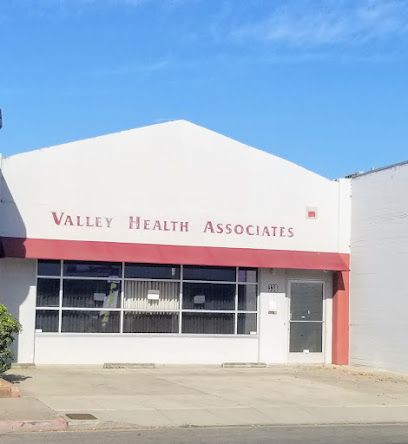
Valley Health Associates
Salinas, CA
- Detox
- Outpatient
- MAT
Substance use treatment · SAMHSA-certified Opioid Treatment Program · Cognitive behavioral therapy
Accepts: Cash or self-payment, Medicaid, Medicare
Sun Street Centers Outpatient Recovery Services
Salinas, CA
- PHP
- IOP
Substance use treatment · Accepts clients on opioid medication but prescribed elsewhere · Cognitive behavioral therapy
Accepts: Cash or self-payment, Medicaid, State-financed health insurance plan other than Medicaid