

At a Glance
Primary Focus
Treatment Settings
Treatment Approaches
Special Programs
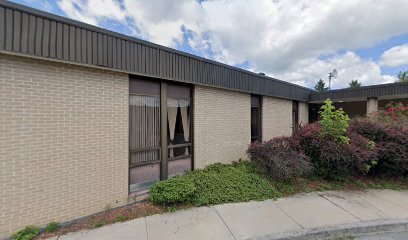
About Southern Highlands CMHC Inc Crisis Stabilization Unit
Southern Highlands CMHC Inc Crisis Stabilization Unit in Princeton, WV offers medical detox, residential treatment, and outpatient programming for adults and adolescents across Southern West Virginia. As a CARF-accredited, CCBHC-certified facility, it specializes in co-occurring mental health and substance use disorders, serving veterans, adolescents, and the Deaf and hard-of-hearing community alongside the broader recovery population.
Southern Highlands CMHC Inc Crisis Stabilization Unit is a CARF-accredited substance use treatment center located at 200 12th Street Extension in Princeton, West Virginia, serving communities throughout Southern West Virginia. Operating under the Certified Community Behavioral Health Clinic (CCBHC) model, the facility addresses both substance use disorder and the mental health conditions that often accompany it — making it a resource for people seeking more than a single-focus program. For families and individuals evaluating longer-term care in the region, this center represents a structured continuum from acute stabilization through ongoing recovery support.
The facility offers three distinct levels of care: medical detox, residential treatment, and an outpatient program. This continuum means clients can move from medically supervised withdrawal management into residential treatment, and eventually step down into outpatient programming — all within the same system. That continuity is a practical advantage for people in recovery who benefit from consistent clinical relationships rather than transferring between unconnected providers.
Clinically, Southern Highlands CMHC utilizes Cognitive Behavioral Therapy (CBT) as a core therapeutic method, and extends access through telehealth services for those who cannot always attend in person. The facility also operates mobile crisis services and school-based programs, reflecting a community-integrated approach to behavioral health that extends well beyond its physical walls. Treatment addresses a broad range of co-occurring conditions including depression, anxiety disorders, trauma and PTSD, bipolar disorder, ADHD, schizophrenia and psychosis, and OCD alongside substance use disorder.
Southern Highlands CMHC serves adolescents, veterans, and individuals who are Deaf or hard of hearing — populations that often face barriers finding specialized care in rural West Virginia. Payment options include Medicaid, Medicare, TRICARE, private insurance, state insurance, self-pay, sliding scale fees, and financial assistance, removing common financial obstacles for people across the economic spectrum. For Southern West Virginia residents building a recovery plan that accounts for mental health, community connection, and long-term stability, this facility offers a clinically grounded and accessible option.
A Continuum of Addiction Treatment in Southern West Virginia
Finding a recovery center that can meet you at every stage of the process — from initial stabilization through long-term outpatient support — is one of the more difficult challenges for people in Southern West Virginia. Southern Highlands CMHC Inc Crisis Stabilization Unit addresses that gap by offering medical detox, residential treatment, and an outpatient program under one CARF-accredited umbrella in Princeton, WV.
That continuity matters in practice. When someone completes medical detox and transitions directly into residential treatment with the same clinical team, the recovery process benefits from consistency. From there, stepping down into an outpatient program allows individuals to maintain treatment relationships while beginning to re-engage with work, family, and community life — a structure that reflects how lasting recovery actually works.
Co-Occurring Disorders and Dual Diagnosis Treatment
Substance use disorder rarely travels alone. At Southern Highlands CMHC, the clinical scope includes depression, anxiety disorders, trauma and PTSD, bipolar disorder, ADHD, OCD, and schizophrenia and psychosis — conditions that frequently intersect with substance use and require simultaneous treatment rather than a sequential approach. As a Certified Community Behavioral Health Clinic (CCBHC), the facility is structured specifically to integrate behavioral health and substance use care rather than treating them as separate problems.
Cognitive Behavioral Therapy (CBT) anchors the therapeutic work, giving clients structured tools for examining and shifting thought patterns connected to both substance use and mental health symptoms. For individuals whose recovery depends on addressing the full picture of their mental health, this dual-diagnosis capability is not an add-on — it is central to how the center operates.
Serving Veterans, Adolescents, and the Deaf Community in West Virginia
Southern Highlands CMHC specifically serves three populations that often encounter barriers in standard addiction treatment settings: veterans, adolescents, and individuals who are Deaf or hard of hearing. TRICARE is accepted as a payment method, reflecting a genuine commitment to veteran access rather than a checkbox. Adolescent programming and school-based services mean younger individuals do not have to navigate an adult-focused system. Services for the Deaf and hard-of-hearing community address an accessibility gap that most regional treatment centers have not filled.
This specialization matters for families evaluating substance abuse treatment options across Southern West Virginia. A recovery center that has built infrastructure around these communities — rather than treating them as edge cases — is meaningfully different from a generalist program. Combined with telehealth and mobile crisis services, the facility's reach extends to people across the region who may not be able to access in-person care consistently.
Payment Options and Access to Rehab in Princeton, WV
Cost is one of the most common reasons people delay or avoid addiction treatment. Southern Highlands CMHC accepts Medicaid, Medicare, TRICARE, private insurance, state insurance, and self-pay, and also offers sliding scale fees and financial assistance for those who qualify. This range of payment options is especially significant for a rural region like Southern West Virginia, where financial constraints can be a defining barrier to accessing residential treatment or outpatient programs.
The CCBHC certification the facility holds is specifically designed to support community behavioral health access — which includes maintaining financial pathways that make services reachable for people across income levels. For families building a recovery plan and weighing their options, the breadth of accepted payment methods reduces one major variable in an already complex decision.
Why Choose Southern Highlands CMHC Inc Crisis Stabilization Unit
- Full continuum of care — medical detox through outpatient programming — within a single CARF-accredited system, supporting recovery continuity
- CCBHC-certified facility addressing co-occurring mental health and substance use disorders, not just standalone addiction treatment
- Specialized programming for underserved populations including veterans, adolescents, and Deaf or hard-of-hearing individuals
- Telehealth and mobile crisis services extend recovery support beyond the physical facility into the broader Southern West Virginia community
- Broad payment access including Medicaid, Medicare, TRICARE, sliding scale, and financial assistance — reducing barriers for rural West Virginia residents
Frequently Asked Questions
What levels of care does Southern Highlands CMHC offer for addiction treatment?
Southern Highlands CMHC Inc Crisis Stabilization Unit offers three levels of care: medical detox, residential treatment, and an outpatient program. This continuum allows individuals to move through progressively less intensive stages of treatment within the same CARF-accredited system, supporting consistency across the recovery process.
Does Southern Highlands CMHC treat co-occurring mental health and substance use disorders?
Yes. The facility is a Certified Community Behavioral Health Clinic (CCBHC) that specifically addresses co-occurring disorders, also called dual diagnosis. Conditions treated alongside substance use disorder include depression, anxiety disorders, trauma and PTSD, bipolar disorder, ADHD, OCD, and schizophrenia and psychosis.
Does Southern Highlands CMHC serve veterans?
Veterans are among the specific populations served at Southern Highlands CMHC. The facility accepts TRICARE as a payment method, making addiction treatment and mental health services more accessible for veterans and their families in Southern West Virginia.
Is Southern Highlands CMHC accredited?
Southern Highlands CMHC Inc Crisis Stabilization Unit holds CARF accreditation and is certified as a Certified Community Behavioral Health Clinic (CCBHC). These credentials reflect externally verified standards for quality in behavioral health and substance use treatment.
What therapy methods are used in the addiction treatment programs?
Cognitive Behavioral Therapy (CBT) is a confirmed therapeutic method used at Southern Highlands CMHC. The facility also provides telehealth services, extending access to therapeutic support for individuals who cannot always participate in person.
What payment options are accepted at Southern Highlands CMHC?
The facility accepts Medicaid, Medicare, TRICARE, private insurance, state insurance, and self-pay. Sliding scale fees and financial assistance are also available, helping to make addiction treatment and recovery services accessible to individuals across a range of financial situations in Southern West Virginia.
Does Southern Highlands CMHC offer outpatient rehab for people who cannot do residential treatment?
Yes. An outpatient program is one of the confirmed levels of care at Southern Highlands CMHC. Outpatient programming allows individuals to engage in structured addiction treatment while continuing to manage daily responsibilities, and telehealth services further extend access for those with transportation or scheduling challenges.
Does Southern Highlands CMHC serve adolescents?
Adolescents are among the specific populations served at this facility. The center also operates school-based programs, offering a point of access for younger individuals in the Southern West Virginia community who need behavioral health or substance use support.
Are services available for Deaf or hard-of-hearing individuals?
Southern Highlands CMHC specifically lists Deaf and hard-of-hearing individuals as a population served. This specialization addresses an accessibility gap that many regional treatment centers have not prioritized, making the facility a more inclusive option for this community.
Where does Southern Highlands CMHC provide addiction treatment services?
The facility is located at 200 12th Street Extension in Princeton, WV, and serves communities throughout Southern West Virginia. Telehealth services and mobile crisis capabilities extend the facility's reach beyond its physical location for individuals across the region.
Nearby Treatment Centers
Southern Highlands CMHC Inc Community MH Center Inc
Princeton, WV
- Outpatient
- MAT
Substance use treatment · Cognitive behavioral therapy · Dialectical behavior therapy
Accepts: Cash or self-payment, Medicaid, Medicare
Southern Highlands CMHC Inc Legends Residential Treatment Facility
Princeton, WV
- Residential
- MAT
Substance use treatment · Accepts clients on opioid medication but prescribed elsewhere · Cognitive behavioral therapy
Accepts: Medicaid
Bluestone Health Association Inc
Princeton, WV
- Outpatient
- MAT
Substance use treatment · Cognitive behavioral therapy · Dialectical behavior therapy
Accepts: Cash or self-payment, Medicaid, Medicare
Fellowship Home Inc Mercer County
Bluefield, WV
- Sober Living
Smoking permitted in designated area · State Substance Abuse agency · State department of health
FMRS Health Systems Inc
Hinton, WV
- Outpatient
- MAT
Substance use treatment · Cognitive behavioral therapy · Dialectical behavior therapy
Accepts: Cash or self-payment, Medicaid, Medicare
Southern Highlands CMHC Inc
Welch, WV
- Outpatient
- MAT
Substance use treatment · Cognitive behavioral therapy · Dialectical behavior therapy
Accepts: Cash or self-payment, Medicaid, Medicare