

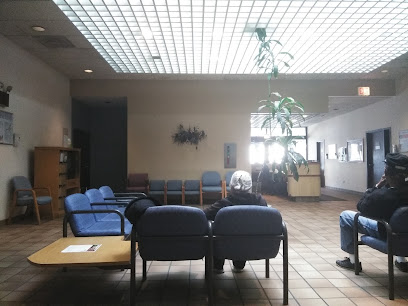
At a Glance
Location
8012 South Crandon Avenue, Chicago, IL 60617
Phone
773-356-5098Primary Focus
Treatment Settings
Treatment Approaches
Special Programs
About South Shore Hospital Medical Detox Services
South Shore Hospital Medical Detox Services is a hospital-based addiction treatment program located in Chicago's South Shore neighborhood, offering a full continuum of care from medical detox through residential treatment and outpatient programming. The facility holds an Opioid Treatment Program certification and serves specific populations including veterans, seniors, and individuals with co-occurring disorders, accepting Medicaid, Medicare, and private insurance.
South Shore Hospital Medical Detox Services operates as a hospital program at 8012 South Crandon Avenue in Chicago's South Shore neighborhood, providing structured addiction treatment within a medical setting on Chicago's South Side. As part of South Shore Hospital, the program brings clinical infrastructure to a community where access to sustained recovery support has historically been limited — making it a meaningful resource for Cook County residents seeking care close to home. The facility runs 24 hours a day, seven days a week, reflecting a commitment to availability that outpatient-only programs simply cannot match.
The center offers four distinct levels of care: medical detox, residential treatment, an outpatient program, and an intensive outpatient program (IOP). This continuum means that someone entering through medical detox can step down into residential treatment and then transition into outpatient or IOP — a connected recovery pathway rather than a single episode of care. That kind of built-in continuity is one of the more practical advantages of choosing a hospital-based program over a standalone facility.
Cognitive Behavioral Therapy (CBT) anchors the clinical approach, giving patients structured tools for identifying and changing the thought patterns tied to substance use. The program also addresses trauma and PTSD alongside addiction, and maintains dual diagnosis capability for individuals managing co-occurring mental health conditions — recognizing that addiction rarely exists in isolation. The facility's Opioid Treatment Program (OTP) certification signals a formal, regulated framework for opioid-related care.
South Shore Hospital Medical Detox Services specifically serves veterans, seniors and older adults, men, individuals requiring HIV/AIDS support, and court-ordered patients — populations whose treatment needs often go underserved in generalized rehab settings. Transportation services are available for seniors and disabled patients at affiliated clinics and the hospital itself, reducing a practical barrier that can derail recovery plans. Payment options include Medicaid, Medicare, state insurance, private insurance, and self-pay, keeping the program accessible across a wide range of financial situations.
A Full Recovery Continuum in Chicago's South Shore
South Shore Hospital Medical Detox Services is one of the few hospital-based addiction treatment programs on Chicago's South Side offering a true step-down continuum: medical detox, residential treatment, outpatient programming, and an intensive outpatient program (IOP) under one roof. For people planning a longer-term recovery — not just an acute stabilization — that internal pathway matters. It removes the logistical friction of transferring between unaffiliated providers at a moment when consistency is critical.
The program operates around the clock, seven days a week, which means clinical support isn't limited to business hours. Serving Cook County and the broader South Shore neighborhood, the facility fills a real gap in a part of Chicago where hospital-level addiction care with full residential and outpatient follow-through has not always been easy to access.
Specialized Populations and Dual Diagnosis Care
Not every rehab is built to handle the layered needs that many people bring into treatment. South Shore Hospital's program formally serves veterans, seniors and older adults, men, individuals with HIV/AIDS support needs, and court-ordered clients — groups whose treatment requirements demand more than a one-size approach. The program's dual diagnosis capability means that co-occurring mental health conditions, including trauma and PTSD, are addressed as part of the treatment plan rather than deferred to a separate provider.
Cognitive Behavioral Therapy (CBT) provides the clinical backbone, offering patients a structured method for examining and shifting the thinking patterns connected to substance use. For veterans and others who have experienced significant trauma, the integration of PTSD treatment alongside addiction care reflects an understanding that these conditions are frequently intertwined.
Payment Options and Accessibility
South Shore Hospital Medical Detox Services accepts Medicaid, Medicare, state insurance, private insurance, and self-pay — a range of payment options that makes the program reachable for a wide cross-section of Chicago-area residents. For those relying on public insurance, having a hospital-based program that accepts both Medicaid and Medicare in this part of Cook County is a meaningful practical advantage.
The facility also offers transportation services for seniors and disabled patients at affiliated clinics and the hospital, directly addressing one of the most common logistical reasons people delay or abandon treatment. Access to care matters most when the barriers to getting there are lowest, and that service reflects a program designed with real-world recovery challenges in mind.
Opioid Treatment Program Certification
South Shore Hospital Medical Detox Services holds an Opioid Treatment Program (OTP) certification — a federally regulated designation that signals a specific, structured standard of care for opioid treatment. OTP certification is not automatically granted to every addiction treatment facility; it reflects regulatory oversight and defined clinical protocols that go beyond general addiction treatment licensure.
For individuals and families evaluating treatment options in Chicago, that certification provides a meaningful marker of accountability. It distinguishes this program from facilities that offer generalized substance abuse treatment without the formal OTP framework, and it reinforces the hospital-based model's emphasis on medically grounded, regulated care.
Why Choose South Shore Hospital Medical Detox Services
- Full continuum from medical detox through IOP — all within a single hospital-based program in Chicago's South Shore neighborhood
- Opioid Treatment Program (OTP) certification, providing a regulated clinical framework for opioid treatment
- Specialized populations served: veterans, seniors, men, individuals with HIV/AIDS support needs, and court-ordered patients
- Dual diagnosis and trauma/PTSD treatment integrated into addiction care, not offered as a separate track
- Open 24/7 with transportation services for seniors and disabled patients — addressing access barriers that derail long-term recovery
Frequently Asked Questions
What levels of care does South Shore Hospital Medical Detox Services offer for people planning longer-term recovery?
The program offers four levels of care: medical detox, residential treatment, an outpatient program, and an intensive outpatient program (IOP). This continuum is designed so that patients can move from acute stabilization through residential and then outpatient care without switching providers. For people focused on sustained recovery rather than short-term stabilization, that built-in pathway is a significant practical advantage.
Does South Shore Hospital accept Medicaid or Medicare for addiction treatment?
Yes, the program accepts both Medicaid and Medicare, along with state insurance, private insurance, and self-pay. This range of payment options makes the facility accessible to a wide cross-section of Chicago-area residents, including those relying on public insurance programs.
What populations does South Shore Hospital Medical Detox Services specifically serve?
The program is designed to serve veterans, seniors and older adults, men, individuals with HIV/AIDS support needs, and court-ordered clients. These are populations whose treatment requirements often involve specific clinical and logistical considerations that generalized rehab programs may not be equipped to address.
Does the program treat co-occurring mental health conditions alongside addiction?
Yes. South Shore Hospital Medical Detox Services treats both trauma/PTSD and co-occurring disorders as part of its clinical scope. Dual diagnosis care means that mental health conditions are addressed alongside addiction rather than being referred out to a separate provider, which is important for people whose recovery is complicated by underlying mental health needs.
What is an Opioid Treatment Program certification, and why does it matter?
An Opioid Treatment Program (OTP) certification is a federally regulated designation that establishes specific clinical and regulatory standards for opioid treatment. South Shore Hospital Medical Detox Services holds this certification, which distinguishes it from facilities that offer general addiction treatment without the formal OTP oversight framework. For individuals and families evaluating opioid treatment options in Chicago, it signals a higher level of regulatory accountability.
Is South Shore Hospital Medical Detox Services open on nights and weekends?
The facility operates 24 hours a day, seven days a week. For a hospital-based program serving people in active recovery, around-the-clock availability means clinical support is not limited to standard business hours.
Does the program offer transportation assistance for patients who have difficulty getting to appointments?
Yes. Transportation services are available for seniors and disabled patients at affiliated clinics and the hospital itself. This directly addresses one of the practical barriers — getting to and from appointments — that can undermine treatment adherence and longer-term recovery outcomes.
What therapy approaches does South Shore Hospital use in its addiction treatment programs?
The program uses Cognitive Behavioral Therapy (CBT) as part of its clinical approach. CBT is a structured method focused on identifying and changing thought patterns connected to substance use, and it is integrated into care for individuals across the program's various levels, including those dealing with trauma and co-occurring disorders.
Where is South Shore Hospital Medical Detox Services located, and what area does it serve?
The facility is located at 8012 South Crandon Avenue in Chicago's South Shore neighborhood, within Cook County. The program serves Chicago residents and the broader South Shore community, offering a hospital-based addiction treatment option on the city's South Side.
How is a hospital-based addiction treatment program different from a standalone rehab center?
A hospital-based program like South Shore Hospital Medical Detox Services operates within a medical facility infrastructure, which supports services like medical detox and around-the-clock clinical availability. It also enables an internal step-down continuum — from detox to residential to outpatient — without requiring transfers between unaffiliated facilities, which can be a meaningful advantage for people building a long-term recovery plan.
Nearby Treatment Centers
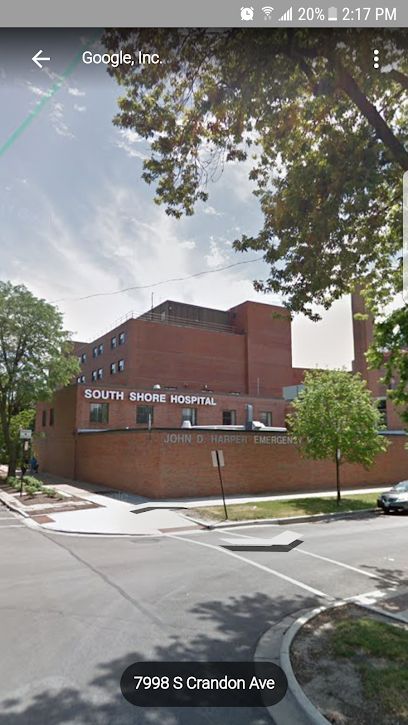
South Shore Hospital Chemical Dependency
Chicago, IL
- Detox
- MAT
Substance use treatment · SAMHSA-certified Opioid Treatment Program · Cognitive behavioral therapy
Accepts: Cash or self-payment, Medicare, State-financed health insurance plan other than Medicaid
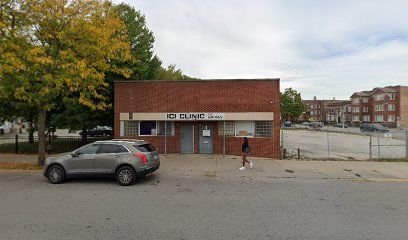
IJEGBA Community Inc
Chicago, IL
- Detox
- IOP
- MAT
Substance use treatment · SAMHSA-certified Opioid Treatment Program · Cognitive behavioral therapy
Accepts: Cash or self-payment, Medicaid, Medicare
Access Brandon Family Health Ctr
Chicago, IL
- Outpatient
- MAT
Substance use treatment · Cognitive behavioral therapy · Dialectical behavior therapy
Accepts: Cash or self-payment, Medicaid, Medicare
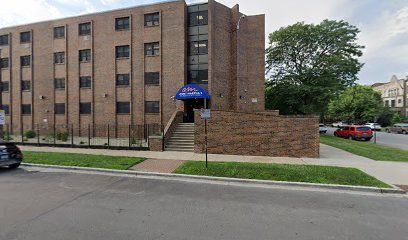
A Program of Aunt Marthas SEADAC
Chicago, IL
- IOP
Substance use treatment · Does not use medication for opioid addiction · Cognitive behavioral therapy
Accepts: Cash or self-payment, Medicaid, Medicare
Henrys Sober Living House
Chicago, IL
- Residential
- MAT
- Sober Living
Substance use treatment · Substance abuse counseling · Smoking permitted in designated area
Accepts: Cash or self-payment, Medicaid, Medicare
GEO Group Inc Chatham ReEntry Center
Chicago, IL
- IOP
Substance use treatment · Accepts clients on opioid medication but prescribed elsewhere · Cognitive behavioral therapy
Accepts: Payment assistance