

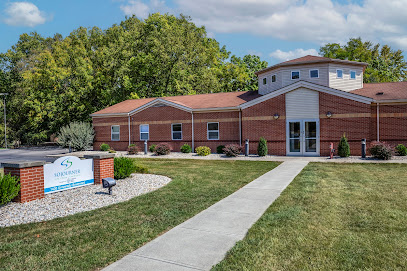
At a Glance
Location
314 North Erie Highway, Hamilton, OH 45011
Phone
513-896-3885Website
http://sojournerrecovery.orgPrimary Focus
Treatment Settings
Treatment Approaches
Special Programs
About Sojourner Recovery Services Mens Residential
Sojourner Recovery Services Mens Residential in Hamilton, OH offers outpatient and intensive outpatient addiction treatment for a wide range of populations, including men, veterans, young adults, and those navigating co-occurring disorders. CARF-accredited and serving the Butler County region including Fairfield, the center provides a structured path through outpatient recovery with recovery housing support and CBT-based care.
Sojourner Recovery Services Mens Residential is a CARF-accredited substance use treatment center located at 515 Dayton Street in Hamilton, Ohio, within Butler County. The facility extends its service reach to Fairfield, OH, positioning it as a community-rooted recovery resource for individuals and families across the region who are looking for ongoing, structured addiction treatment beyond acute crisis care. For those evaluating a long-term recovery partner rather than a short-term fix, Sojourner offers a meaningful foothold in the local recovery community.
The center's levels of care include both a standard Outpatient Program and an Intensive Outpatient Program (IOP). The IOP format is particularly well-suited for individuals who need more support than a basic outpatient schedule provides but who are ready to live and rebuild in the community rather than in a residential setting. These outpatient tracks allow participants to maintain work, family obligations, or education while still receiving structured substance abuse treatment — a model that reflects the reality of long-term recovery for many people.
Cognitive Behavioral Therapy (CBT) anchors the clinical approach at Sojourner, giving clients a framework for identifying and reshaping the thought patterns that contribute to substance use. The center also addresses trauma and PTSD alongside addiction, recognizing that co-occurring disorders and dual diagnosis presentations are common among those seeking sustained recovery. This focus on the full picture of a person's mental health — not just the substance use in isolation — sets the tone for the kind of recovery work done here. Recovery housing is available as an aftercare support option, helping clients maintain continuity as they transition out of active programming.
Sojourner serves an exceptionally broad population: men, women, adolescents, young adults ages 18 to 25, seniors, veterans, pregnant women, individuals with HIV/AIDS, those who are deaf or hard of hearing, and court-ordered participants. On-site childcare is available, removing a barrier that keeps many parents from pursuing treatment. Payment options include Medicaid, state insurance, private insurance, and self-pay, making the center accessible across a range of financial situations. For families and individuals in the Hamilton and Fairfield areas searching for a recovery center that meets people where they are, Sojourner offers both clinical structure and genuine community reach.
Outpatient & IOP Recovery Programs in Hamilton, OH
Sojourner Recovery Services Mens Residential offers two distinct outpatient levels of care for people pursuing addiction treatment in Hamilton and the surrounding Fairfield, OH area: a standard Outpatient Program and an Intensive Outpatient Program (IOP). Both tracks are designed for individuals who are ready to engage in recovery while remaining part of their home community — a structure that research and lived experience consistently support for long-term sobriety.
The IOP is particularly suited for those stepping down from a higher level of care or for individuals whose substance use treatment needs go beyond what a weekly outpatient visit can address. Multiple sessions per week allow for deeper therapeutic engagement without requiring full residential placement. For families helping a loved one plan their recovery, understanding that IOP sits between basic outpatient and residential treatment can help clarify which level of care fits best.
Dual Diagnosis Treatment & Trauma-Informed Care
A meaningful portion of people entering addiction treatment are also managing untreated or undertreated mental health conditions. Sojourner directly addresses this reality by treating co-occurring disorders and dual diagnosis presentations alongside substance use — including trauma and PTSD, which frequently intersect with long-term addictive patterns. Cognitive Behavioral Therapy (CBT) provides the clinical backbone for this work, equipping clients with concrete skills to recognize and interrupt harmful thought and behavior cycles.
For veterans, survivors of trauma, and others carrying significant psychological weight into recovery, the integration of mental health care within the outpatient program is not a secondary feature — it is central to the approach. Treating only the substance use without addressing what drives it is a common reason people cycle in and out of treatment, and Sojourner's confirmed focus on co-occurring disorders reflects an understanding of that dynamic.
Who Sojourner Serves: A Broad Recovery Community
Few outpatient addiction treatment centers in the Hamilton, OH area serve as wide a range of populations as Sojourner Recovery Services. The center works with men and women, adolescents, young adults ages 18 to 25, seniors, veterans, pregnant women, individuals with HIV/AIDS, those who are deaf or hard of hearing, and court-ordered participants. On-site childcare makes the program accessible to parents who might otherwise have no viable path into treatment.
This breadth is not incidental — it reflects a community-oriented model of substance abuse treatment where people at different life stages and with different circumstances can pursue recovery in the same program. For families navigating how to support a loved one, knowing that a center has experience working with diverse populations can provide meaningful reassurance that their specific situation won't be an obstacle to getting care.
Aftercare, Recovery Housing & Paying for Treatment
Recovery does not end when a formal program does, and Sojourner supports that transition through access to recovery housing as an aftercare option. Sober living arrangements help clients maintain the structure and accountability built during their outpatient program as they move toward full independence — a step that significantly reduces the risk of relapse in early recovery.
Sojourner accepts Medicaid, state insurance, private insurance, and self-pay, giving individuals and families multiple avenues for covering the cost of care. CARF accreditation — one of the most recognized quality standards in behavioral health — means the center has met externally reviewed benchmarks for treatment quality and organizational accountability. For anyone comparing addiction treatment options in Butler County, that accreditation is a concrete data point worth weighing.
Why Choose Sojourner Recovery Services Mens Residential
- CARF accreditation signals a verified standard of care for individuals and families evaluating long-term recovery options in Butler County
- Intensive Outpatient Program (IOP) lets clients stay rooted in their home community while still receiving structured addiction treatment — a key factor in lasting recovery
- On-site childcare removes a real-world barrier that prevents many parents from committing to a full outpatient recovery program
- Recovery housing aftercare support bridges the gap between active programming and independent sober living
- Trauma and PTSD treatment integrated alongside co-occurring disorder care means the whole person — not just the substance use — is addressed
Frequently Asked Questions
What levels of care does Sojourner Recovery Services offer for addiction treatment?
Sojourner offers two outpatient levels of care: a standard Outpatient Program and an Intensive Outpatient Program (IOP). The IOP provides more frequent, structured sessions than a basic outpatient schedule, making it appropriate for individuals who need substantial support while continuing to live in the community. Neither level requires overnight residential placement.
Is Sojourner Recovery Services accredited?
Yes. Sojourner Recovery Services holds CARF accreditation, one of the most respected independent quality standards in behavioral health and addiction treatment. CARF accreditation indicates that the facility has undergone external review and meets established benchmarks for the quality of care and organizational practices.
Does Sojourner treat co-occurring mental health conditions alongside addiction?
Yes. The center explicitly treats co-occurring disorders and dual diagnosis presentations, including trauma and PTSD. This means clients dealing with both a substance use disorder and an underlying mental health condition can receive integrated care within the same program rather than being referred elsewhere for one part of their treatment.
What therapy approach is used at Sojourner Recovery Services?
Cognitive Behavioral Therapy (CBT) is the confirmed therapeutic method used at Sojourner. CBT helps clients identify the thought patterns and behaviors that contribute to substance use and develop practical strategies for changing them — a skill set that supports long-term recovery well beyond formal treatment.
Who is eligible for addiction treatment at Sojourner in Hamilton, OH?
Sojourner serves a wide range of populations, including men, women, adolescents, young adults ages 18 to 25, seniors, veterans, pregnant women, individuals with HIV/AIDS, people who are deaf or hard of hearing, and court-ordered participants. This broad eligibility makes the center accessible to many individuals and families navigating different life circumstances.
Does Sojourner offer any support for parents seeking addiction treatment?
Yes. On-site childcare is available at Sojourner, which directly addresses one of the most common practical barriers that prevents parents from fully committing to an outpatient recovery program. This feature is relatively uncommon among outpatient treatment centers and reflects a commitment to removing obstacles to care.
What aftercare options are available after completing the outpatient program?
Recovery housing is listed as an aftercare support option at Sojourner. Transitioning into sober living after an outpatient program provides continued structure and peer accountability — two factors that consistently support sustained recovery in the months immediately following formal treatment.
What payment options does Sojourner accept for addiction treatment?
Sojourner accepts Medicaid, state insurance, private insurance, and self-pay. This range of payment options makes the center accessible to individuals across different financial situations, including those who rely on publicly funded coverage to access substance abuse treatment.
What geographic area does Sojourner Recovery Services serve?
Sojourner Recovery Services is located at 515 Dayton Street in Hamilton, Ohio, within Butler County, and extends its service area to Fairfield, OH. Individuals and families in both communities can consider this center as a local outpatient addiction treatment resource.
Does Sojourner offer specialized programming for veterans?
Veterans are among the confirmed populations served at Sojourner Recovery Services. The center's dual diagnosis and trauma-informed care approach — including treatment for PTSD — is particularly relevant for veterans, many of whom enter addiction treatment carrying both service-related trauma and co-occurring mental health conditions.
Nearby Treatment Centers
Sojourner Recovery Services Mens Residential
Hamilton, OH
- Detox
- Residential
- MAT
Substance use treatment · Cognitive behavioral therapy · Dialectical behavior therapy
Accepts: Cash or self-payment, Medicaid, State-financed health insurance plan other than Medicaid
Sojourner Recovery Services Womens Residential
Hamilton, OH
- Detox
- Residential
- MAT
Substance use treatment · Cognitive behavioral therapy · Dialectical behavior therapy
Accepts: Cash or self-payment, Medicaid, State-financed health insurance plan other than Medicaid
Sojourner Recovery Services Outpatient
Hamilton, OH
- Detox
- IOP
- MAT
Substance use treatment · Cognitive behavioral therapy · Dialectical behavior therapy
Accepts: Cash or self-payment, Medicaid, Sliding fee scale
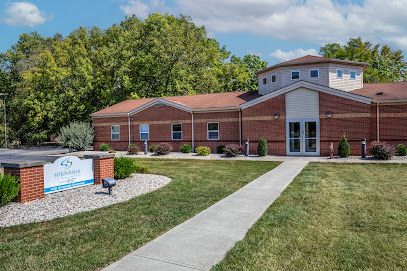
Sojourner Recovery Services Herland Family Center
Hamilton, OH
- Detox
- PHP
- IOP
- MAT
Substance use treatment · Cognitive behavioral therapy · Dialectical behavior therapy
Accepts: Cash or self-payment, Medicaid, State-financed health insurance plan other than Medicaid
Sojourner Recovery Services Womens Residential
Hamilton, OH
- Detox
- Residential
- MAT
Substance use treatment · Cognitive behavioral therapy · Dialectical behavior therapy
Accepts: Cash or self-payment, Medicaid, State-financed health insurance plan other than Medicaid
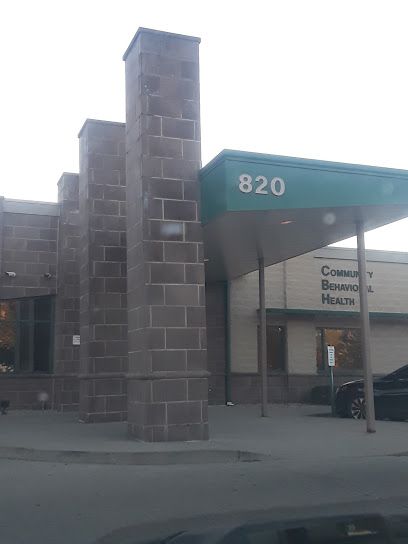
Community Behavioral Health
Hamilton, OH
- Detox
- PHP
- IOP
- MAT
Substance use treatment · Cognitive behavioral therapy · Dialectical behavior therapy
Accepts: Cash or self-payment, Medicaid, Medicare