

At a Glance
Primary Focus
Treatment Settings
Treatment Approaches
About Seattle Drug and Narcotic Center
Valley Cities Recovery Place Seattle offers residential treatment and outpatient programming for adults navigating substance use disorder, co-occurring mental health conditions, and dual diagnosis challenges. Located in Seattle's King County, the center is Washington State certified and accepts Medicaid, state insurance, and self-pay, keeping longer-term recovery accessible to a broad range of people.
Valley Cities Recovery Place Seattle is a Washington State certified substance use disorder treatment facility situated at 10344 14th Avenue South in Seattle's King County. Operating around the clock, the center serves adults 18 and over — including individuals who are Deaf or hard of hearing — who are seeking structured, longer-term support for substance use disorder, mental health conditions, and co-occurring dual diagnosis presentations. For people evaluating a recovery center that meets them where they are, this facility brings residential and outpatient care together under one certification.
The center offers two primary levels of care: residential treatment and an outpatient program. Residential treatment provides the kind of immersive, sustained environment that longer-term recovery often demands, while the outpatient program gives people the flexibility to engage in structured treatment while maintaining connections to their community. Together, these levels of care reflect a continuum approach rather than a single-point intervention.
Cognitive Behavioral Therapy (CBT) is the confirmed therapeutic method at Valley Cities Recovery Place Seattle. CBT is a structured, skills-based approach that helps people identify and shift the thought patterns driving problematic behaviors — a practical framework well suited to the complex interplay of substance use and mental health that defines dual diagnosis recovery. The center's treatment scope explicitly addresses co-occurring disorders, meaning mental health is treated alongside substance use rather than in isolation.
Valley Cities Recovery Place Seattle is designed for adults 18 and over, with specific capacity to serve individuals who are Deaf or hard of hearing — a population that is frequently underserved in addiction treatment settings. Payment options include Medicaid, state insurance, and self-pay, reducing financial barriers for people who are serious about sustained recovery. Washington State certification provides an additional layer of accountability for families and individuals choosing a long-term recovery partner.
Residential Treatment and Outpatient Programs in Seattle, WA
Valley Cities Recovery Place Seattle provides two distinct but complementary levels of care for adults working through substance use disorder and co-occurring conditions. The residential treatment program offers a structured, full-time environment for people who need sustained support as the foundation of their recovery. For those further along or transitioning out of residential care, the outpatient program allows continued engagement with treatment while reintegrating into daily life.
This kind of care continuum matters for people planning a longer recovery arc — not just managing a crisis. The ability to step down from residential to outpatient within the same certified facility supports consistency in care and reduces the disruption that can come from transferring between providers mid-recovery.
Dual Diagnosis and Co-Occurring Disorder Treatment
A significant portion of people seeking addiction treatment are also living with mental health conditions — depression, anxiety, trauma, and others — that interact directly with substance use. Valley Cities Recovery Place Seattle is certified to treat co-occurring disorders and dual diagnosis presentations, meaning clinicians address both dimensions of a person's experience rather than treating substance use in a vacuum.
Cognitive Behavioral Therapy (CBT) forms the clinical backbone of this work. CBT gives people practical tools to recognize and interrupt the thought cycles that fuel substance use and mental health struggles alike. For adults who have tried treatment before and found it incomplete, an integrated dual diagnosis approach can represent a meaningful shift in what recovery looks like.
Accessibility and Who This Recovery Center Serves
Valley Cities Recovery Place Seattle explicitly serves adults 18 and over, including individuals who are Deaf or hard of hearing. Accessible addiction treatment for Deaf communities remains a genuine gap in most recovery center landscapes, and this facility's commitment to that population sets it apart for families and individuals navigating those specific needs.
On the financial side, the center accepts Medicaid, state insurance, and self-pay options — a combination that reflects a commitment to keeping residential and outpatient treatment within reach for people across different economic situations. Washington State certification provides an independent quality standard that individuals and families can rely on when evaluating a long-term recovery partner.
Around-the-Clock Access to Substance Abuse Treatment
Recovery doesn't follow predictable hours, and Valley Cities Recovery Place Seattle operates 24 hours a day. That continuous availability matters for a residential treatment setting where the people being served live on-site and need consistent access to support and services at all hours.
For family members researching options on behalf of a loved one, knowing a facility maintains round-the-clock operations provides reassurance that care isn't paused at night or on weekends. It also signals a level of operational commitment that aligns with what sustained, longer-term recovery actually requires.
Why Choose Seattle Drug and Narcotic Center
- Serves Deaf and hard-of-hearing adults — a population rarely centered in addiction treatment program design
- Dual-level continuum: residential treatment and outpatient programming under one Washington State certified roof
- Explicitly treats co-occurring mental health and substance use disorders together, not separately
- Open 24 hours, supporting the realities of recovery that don't follow a 9-to-5 schedule
- Accepts Medicaid and state insurance, making longer-term residential and outpatient recovery financially accessible
Frequently Asked Questions
What levels of care does Valley Cities Recovery Place Seattle offer?
The center offers residential treatment and an outpatient program. Residential treatment provides full-time, structured support for people in active recovery, while the outpatient program serves those who need ongoing treatment with more flexibility. Having both levels under one certified facility allows for a smoother transition as recovery progresses.
Does Valley Cities Recovery Place Seattle treat co-occurring mental health conditions?
Yes. The center is confirmed to treat co-occurring disorders and dual diagnosis — meaning it addresses mental health conditions alongside substance use disorder rather than treating them as separate issues. This integrated approach is part of the center's certified scope of care.
What therapeutic approach does the center use?
Cognitive Behavioral Therapy (CBT) is the confirmed therapeutic method at Valley Cities Recovery Place Seattle. CBT is a structured, skills-focused approach that helps people identify and change the thought patterns connected to substance use and mental health challenges. It is well suited to dual diagnosis treatment.
Does Valley Cities Recovery Place Seattle serve Deaf or hard-of-hearing individuals?
Yes. The center explicitly lists Deaf and hard-of-hearing individuals among the populations it serves. This is a meaningful distinction — accessible addiction treatment for Deaf adults is not widely available, and this facility's commitment to that population is confirmed.
What payment options are accepted?
Valley Cities Recovery Place Seattle accepts Medicaid, state insurance, and self-pay or cash. These options collectively make residential and outpatient substance abuse treatment more financially accessible. For questions about specific coverage, contacting the center directly is the best step.
Is the facility open around the clock?
Yes, Valley Cities Recovery Place Seattle operates 24 hours a day. For a residential treatment facility, this means support is consistently available regardless of time of day, which matters both for people in the program and for families who may need to reach the center outside of standard business hours.
Is Valley Cities Recovery Place Seattle accredited or certified?
The center holds Washington State certification in substance use disorder treatment. This certification reflects a state-level quality standard and regulatory oversight, giving individuals and families a credible benchmark when evaluating it as a longer-term recovery partner.
Who is eligible for treatment at this facility?
The center serves adults ages 18 and over, including individuals who are Deaf or hard of hearing. Conditions treated include substance use disorder, co-occurring disorders, and mental health. Adults seeking residential or outpatient care in the Seattle, WA area who meet these criteria would be the primary population.
How do I contact Valley Cities Recovery Place Seattle?
The center can be reached by phone at (253) 833-7444 or by email at [email protected]. The facility is located at 10344 14th Avenue South, Seattle, WA 98168. Additional information is available at keyrecovery.org.
Nearby Treatment Centers
Sea Mar Behavioral Health Renacer Youth Treatment Center
Seattle, WA
- Residential
Substance use treatment · Accepts clients on opioid medication but prescribed elsewhere · Cognitive behavioral therapy
Accepts: Cash or self-payment, Medicaid, State-financed health insurance plan other than Medicaid
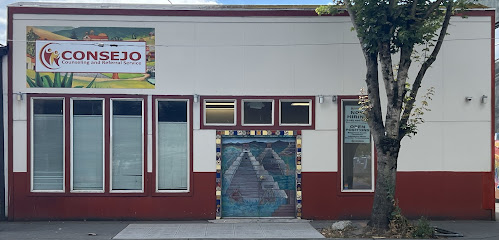
Consejo Youth and Family Services
Seattle, WA
- IOP
Substance use treatment · Accepts clients on opioid medication but prescribed elsewhere · Substance abuse counseling
Accepts: Medicaid, State-financed health insurance plan other than Medicaid, Sliding fee scale
Ark Assessment Services
Seattle, WA
- Outpatient
Substance use treatment · Does not treat opioid addiction · Smoking permitted in designated area
Accepts: Cash or self-payment, Sliding fee scale
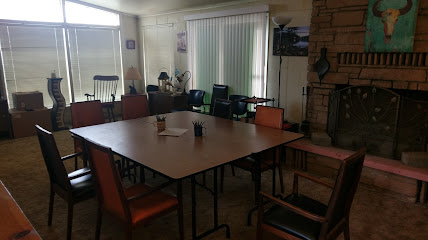
Sunrise Centers
Seattle, WA
- IOP
Substance use treatment · Accepts clients on opioid medication but prescribed elsewhere · Cognitive behavioral therapy
Accepts: Cash or self-payment, Private health insurance, Active duty military
Ideal Option Tukwila
Seattle, WA
- Outpatient
- MAT
Substance use treatment · Accepts clients on opioid medication but prescribed elsewhere · Substance abuse counseling
Accepts: Cash or self-payment, Medicaid, Medicare
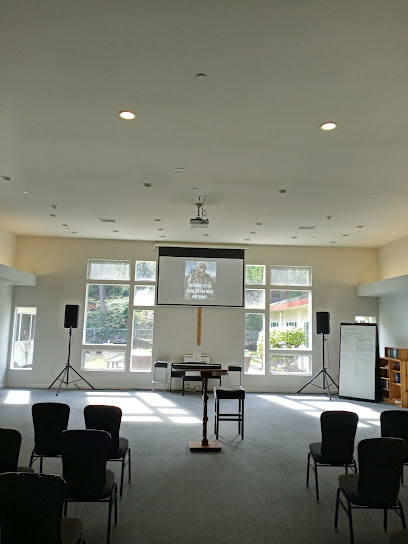
Riverton Place
Seattle, WA
- Residential
- IOP
Substance use treatment · Does not use medication for opioid addiction · Cognitive behavioral therapy
Accepts: Payment assistance