

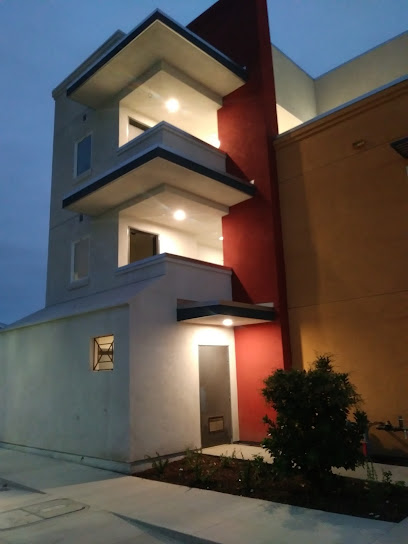
At a Glance
Location
5600 Rickenbacker Road, Bell Gardens, CA 90201
Phone
323-263-1206Primary Focus
Treatment Settings
Treatment Approaches
Special Programs
About Salvation Army Bell Shelter/Wellness Center
The Salvation Army Bell Shelter/Wellness Center in Bell Gardens, California provides integrated substance abuse treatment and housing services specifically for adults experiencing homelessness. This recovery center combines addiction treatment for drug and alcohol addiction with stable housing and spiritual support services.
The Salvation Army Bell Shelter/Wellness Center operates as a specialized recovery center in Bell Gardens, California, addressing the unique needs of adults experiencing homelessness who struggle with addiction. Located at 5600 Rickenbacker Road in Los Angeles County, this facility recognizes that stable housing and addiction treatment must work hand-in-hand for lasting recovery outcomes.
The center provides comprehensive substance abuse treatment services for both drug addiction and alcohol addiction, integrated with essential housing support. This residential treatment approach ensures participants have a stable foundation while working through their recovery process. The facility's operating hours run Monday through Friday from 9 AM to 4:30 PM, with weekend closures to allow for community integration and personal reflection time.
Under the leadership of Captain Connie Hall, the center incorporates worship services alongside its substance use treatment programming. This faith-based component provides spiritual grounding that many in the recovery community find essential for long-term sobriety. The integration of housing, treatment, and spiritual care creates a comprehensive support system that addresses multiple barriers to successful recovery.
The Bell Shelter/Wellness Center specifically serves adults experiencing homelessness, a population that often faces significant challenges accessing traditional addiction treatment services. By combining immediate housing needs with structured addiction treatment, the facility removes common barriers that prevent people from engaging in recovery programs. This specialized focus makes it an important resource for individuals who need both shelter and substance abuse treatment to rebuild their lives and establish lasting sobriety.
Integrated Housing and Addiction Treatment Services
The Salvation Army Bell Shelter/Wellness Center addresses a critical gap in addiction treatment by combining substance abuse services with stable housing for adults experiencing homelessness. This integrated approach recognizes that housing instability often prevents individuals from successfully engaging in traditional outpatient programs or completing residential treatment.
The facility provides treatment for both drug addiction and alcohol addiction while ensuring participants have secure housing throughout their recovery process. This dual focus removes common barriers that cause treatment dropout and helps establish the stability necessary for long-term recovery success.
Faith-Based Recovery Community Approach
Under Captain Connie Hall's leadership, the center incorporates worship services as part of its comprehensive recovery programming. This faith-based element provides spiritual support that complements the substance abuse treatment, creating a recovery community grounded in both clinical intervention and spiritual growth.
The integration of worship services with addiction treatment offers participants access to spiritual resources that many find essential for maintaining long-term sobriety. This approach builds a recovery community that extends beyond clinical treatment to encompass spiritual and social support networks.
Specialized Care for Homeless Adults in Recovery
The Bell Shelter/Wellness Center specifically serves adults experiencing homelessness who are struggling with addiction, addressing the unique challenges this population faces in accessing and completing traditional addiction treatment programs. The facility's specialized focus ensures programming is tailored to the complex needs of individuals dealing with both housing instability and substance abuse.
By providing both immediate housing and structured addiction treatment, the center creates a pathway to recovery that acknowledges the interconnected nature of homelessness and substance abuse. This specialized approach makes recovery more accessible for a population that often faces significant barriers to treatment engagement.
Why Choose Salvation Army Bell Shelter/Wellness Center
- Combines addiction treatment with stable housing for adults experiencing homelessness
- Faith-based recovery approach incorporating worship services with substance abuse treatment
- Specialized program addressing barriers faced by homeless individuals seeking recovery
- Integrated services model providing both immediate shelter and long-term addiction treatment
- Focus on removing access barriers that prevent homeless adults from engaging in traditional rehab programs
Frequently Asked Questions
What types of addiction does the Salvation Army Bell Shelter treat?
The center provides substance abuse treatment for both drug addiction and alcohol addiction. Their programming is specifically designed for adults experiencing homelessness who need both addiction treatment and stable housing support.
Does the Bell Shelter provide housing along with addiction treatment?
Yes, housing is a core component of their services. The facility combines substance use treatment with housing support, recognizing that stable shelter is essential for successful recovery outcomes among adults experiencing homelessness.
What are the operating hours for the Bell Shelter/Wellness Center?
The center operates Monday through Friday from 9 AM to 4:30 PM. They are closed on weekends, allowing time for community integration and personal reflection as part of the recovery process.
Is the Salvation Army Bell Shelter a faith-based recovery program?
Yes, the center incorporates worship services alongside substance use treatment. This faith-based approach provides spiritual support that complements clinical addiction treatment services.
Who can access services at the Bell Shelter/Wellness Center?
The facility specifically serves adults experiencing homelessness who are struggling with addiction. Their specialized programming addresses the unique challenges faced by this population in accessing traditional addiction treatment.
Where is the Salvation Army Bell Shelter located?
The center is located at 5600 Rickenbacker Road in Bell Gardens, California, serving Los Angeles County and the broader Bell area.
How do I contact the Bell Shelter/Wellness Center about their addiction treatment services?
You can reach the center by calling (323) 263-1206 or emailing Captain Connie Hall at [email protected]. Their website is belllighthouse.salvationarmy.org for additional information.
What makes this recovery center different from other addiction treatment facilities?
The Bell Shelter combines addiction treatment with housing services specifically for adults experiencing homelessness, removing common barriers to recovery engagement. Their faith-based approach and integrated housing model create a comprehensive support system addressing multiple challenges simultaneously.
Nearby Treatment Centers

Penny Lane Centers
Los Angeles, CA
- IOP
Substance use treatment · Does not use medication for opioid addiction · Cognitive behavioral therapy
Accepts: Medicaid

Narcotics Prevention Association Methadone Maintenance Treatment Prog
Los Angeles, CA
- Detox
- Outpatient
- MAT
Substance use treatment · All Clients in Opioid Treatment Program · SAMHSA-certified Opioid Treatment Program
Accepts: Cash or self-payment, Medicaid, Medicare
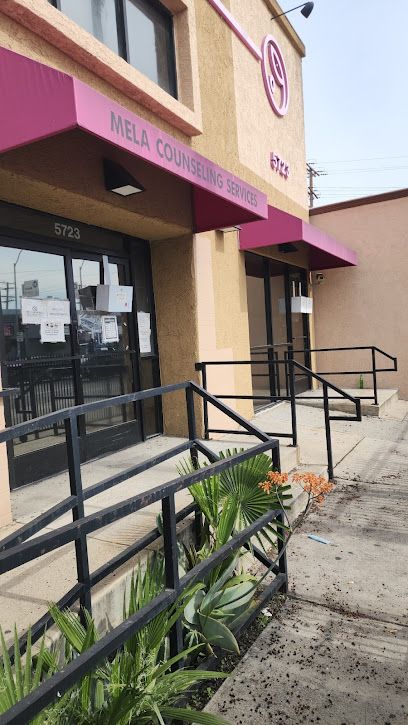
Mela Counseling Services Center Inc
Los Angeles, CA
- IOP
Substance use treatment · Accepts clients on opioid medication but prescribed elsewhere · Cognitive behavioral therapy
Accepts: Cash or self-payment, Medicare, Sliding fee scale
Behavioral Health Services Boyle Heights Family Recovery Center
Los Angeles, CA
- IOP
Substance use treatment · Accepts clients on opioid medication but prescribed elsewhere · Cognitive behavioral therapy
Accepts: Cash or self-payment, Medicaid, Private health insurance
CA Diversion Intervention Foundation (CDIF)
Los Angeles, CA
- IOP
Substance use treatment · Does not use medication for opioid addiction · Substance abuse counseling
Accepts: Cash or self-payment, Sliding fee scale, Active duty military
Latino Family Alcohol and Drug Services Center
Montebello, CA
- IOP
Substance use treatment · Does not treat opioid addiction · Cognitive behavioral therapy
Accepts: Cash or self-payment, Medicare, Active duty military