


At a Glance
Primary Focus
Treatment Settings
Treatment Approaches
Special Programs
About Ryther
Ryther is a Seattle-based outpatient clinic specializing in youth mental health and substance use treatment for children, adolescents, and teens. Serving King County from its Northeast Seattle location, Ryther uses Cognitive Behavioral Therapy to address co-occurring disorders, trauma, anxiety, and OCD — with flexible payment options including Medicaid and sliding scale fees.
Ryther, located at 2400 NE 95th Street in Seattle, Washington, is a youth-focused outpatient clinic with a singular mission: where kids find healing and hope. Rather than serving a general adult population, Ryther concentrates entirely on children, adolescents, and teens — making it one of the few addiction treatment and mental health resources in Seattle built specifically around younger populations and their families. For families navigating a teen's substance use alongside anxiety, trauma, or OCD, Ryther's specialized focus sets it apart from general outpatient programs in the region.
Ryther's primary level of care is its Outpatient Program, which addresses substance use disorder alongside co-occurring mental health conditions including trauma and PTSD, anxiety, OCD, and dual diagnosis presentations. The outpatient format allows teens and children to receive structured addiction treatment and behavioral health support while remaining in their home environment — a key consideration for adolescents whose recovery benefits from family continuity. The clinic operates extended weekday hours, Monday through Thursday until 7:00 PM, supporting families who need afternoon and evening appointment access.
Cognitive Behavioral Therapy (CBT) is the confirmed therapeutic method at Ryther, a structured, skills-based approach well-suited to adolescents working through substance use alongside anxiety and trauma. Ryther's program array is designed to address the individual needs of teens using substances and their families, reflecting a treatment philosophy that recognizes recovery as a family process rather than an isolated individual one. The clinic also provides services for Deaf and hard-of-hearing youth, expanding access for a population that is frequently underserved by mainstream outpatient programs.
Ryther serves children, adolescents, and teens — including those who are Deaf or hard of hearing — making it a resource for families seeking substance abuse treatment and co-occurring disorder support tailored to younger populations. Payment options include Medicaid, private insurance, self-pay, and sliding scale fees, reducing financial barriers for families at different income levels. For parents and guardians in the Seattle area looking for a recovery-oriented outpatient program that understands the specific developmental and emotional landscape of youth, Ryther represents a focused, community-rooted option.
Youth-Centered Outpatient Treatment in Seattle
Ryther's outpatient program in Seattle is built around a population that most addiction treatment centers treat as an afterthought: children and teenagers. From the first point of contact, everything at Ryther — the therapeutic approach, the scheduling, the clinical focus — is oriented toward the developmental realities of young people, not adapted from adult programming. That specificity matters when a family is choosing a long-term recovery partner for a teen navigating substance use.
The clinic's outpatient structure keeps young people connected to their home, school, and family environment during treatment, which research consistently links to better recovery outcomes for adolescents. Sessions are available Monday through Thursday until 7:00 PM and on Fridays until 4:30 PM, giving families scheduling flexibility that afternoon-only programs cannot offer. Ryther can be reached directly at (206) 525-5050 or at [email protected].
Co-Occurring Disorders and Dual Diagnosis Support for Teens
Substance use rarely arrives alone in adolescents. Ryther's outpatient program is explicitly designed to treat co-occurring disorders — addressing trauma and PTSD, anxiety, and OCD alongside substance use within the same program. For families who have struggled to find a single treatment setting that handles both the behavioral health and substance use dimensions of their teenager's needs, this integrated approach is a meaningful distinction.
Cognitive Behavioral Therapy (CBT) is the therapeutic framework Ryther uses, a method with a strong track record in treating anxiety, trauma responses, and substance use patterns in younger populations. Rather than treating each condition in isolation, CBT creates a common framework through which teens can understand how their thoughts, feelings, and behaviors interact — a skill set that supports recovery well beyond the outpatient program itself.
Serving Families Who Need Accessible, Affordable Care
Ryther accepts Medicaid, private insurance, and self-pay, and offers a sliding scale fee structure — recognizing that financial strain should not determine which families can access quality substance abuse treatment for their children. For families without comprehensive insurance or those relying on public coverage, these payment options make Ryther a realistic option in a city where youth behavioral health resources are often expensive or difficult to access.
The clinic also provides services for Deaf and hard-of-hearing youth, an underserved population within adolescent addiction treatment. Families of Deaf teens often face additional barriers when seeking outpatient programs that can meet accessibility needs without routing children out of their community or into settings designed for adults. Ryther's inclusion of this population reflects a commitment to serving Seattle's broader youth community.
What Families Should Know Before Reaching Out
Ryther operates as an outpatient clinic, meaning teens and children continue living at home while receiving treatment — this is not a residential or inpatient program. The outpatient format is appropriate for young people who need structured, ongoing support for substance use and co-occurring mental health conditions but do not require 24-hour clinical supervision. Families uncertain about the right level of care are encouraged to call Ryther directly at (206) 525-5050 to discuss their teen's specific situation.
The clinic is located at 2400 NE 95th Street in Seattle's Northeast neighborhood, accessible to families across King County. Office hours run Monday through Thursday from 8:00 AM to 7:00 PM and Friday from 8:00 AM to 4:30 PM, with the clinic closed on weekends. Reaching out early — before a family crisis deepens — gives teens the best opportunity to build a stable foundation for ongoing recovery.
Why Choose Ryther
- Exclusively serves children, adolescents, and teens — not a general adult outpatient program repurposed for youth
- Addresses substance use alongside co-occurring conditions including trauma/PTSD, anxiety, and OCD in a single outpatient setting
- Accessible to Deaf and hard-of-hearing youth, a population rarely centered in standard outpatient programs
- Sliding scale and Medicaid payment options lower financial barriers for families at varying income levels
- Extended evening hours Monday through Thursday support working parents and school-age teens managing outpatient recovery schedules
Frequently Asked Questions
What age groups does Ryther's outpatient program serve?
Ryther serves children, adolescents, and teens. The clinic is specifically focused on younger populations rather than adults, making it one of the few outpatient programs in Seattle built entirely around youth substance use and mental health needs.
What conditions does Ryther treat alongside substance use?
Ryther's outpatient program addresses co-occurring disorders including trauma and PTSD, anxiety, OCD, and dual diagnosis presentations. This means families dealing with a teen whose substance use intersects with mental health challenges can receive integrated treatment in one setting.
What therapy approach does Ryther use?
Ryther uses Cognitive Behavioral Therapy (CBT) as its confirmed therapeutic method. CBT is a structured, skills-focused approach that helps adolescents understand and shift the patterns of thinking and behavior connected to substance use and co-occurring conditions like anxiety and trauma.
Does Ryther offer any residential or inpatient programs?
Ryther currently operates as an outpatient clinic. A residential therapy program focused on anxiety, OCD, and mood disorders is listed as returning in July 2026, but at this time the confirmed level of care is outpatient. Families needing higher levels of care should discuss options directly with the Ryther clinical team.
What payment options does Ryther accept?
Ryther accepts Medicaid, private insurance, and self-pay, and offers a sliding scale fee structure. No specific insurance carriers are named, so families should contact Ryther directly at (206) 525-5050 to confirm coverage for their plan.
Does Ryther serve Deaf or hard-of-hearing youth?
Yes. Ryther explicitly serves Deaf and hard-of-hearing youth as part of its confirmed populations. Families with a Deaf or hard-of-hearing child or teen seeking substance use or mental health treatment should contact Ryther directly to discuss their specific needs.
What are Ryther's hours of operation?
Ryther is open Monday through Thursday from 8:00 AM to 7:00 PM and Friday from 8:00 AM to 4:30 PM. The clinic is closed on Saturday and Sunday. Extended evening hours on weekdays accommodate school schedules and working parents.
Where is Ryther located?
Ryther is located at 2400 NE 95th Street in Seattle, Washington 98115, in King County. Families can call (206) 525-5050 or email [email protected] for directions or to schedule an initial appointment.
Is Ryther's outpatient program appropriate for teens with dual diagnosis?
Yes. Dual diagnosis — meaning co-occurring substance use and mental health conditions — is one of the specific areas Ryther's outpatient program is designed to address. The program treats substance use alongside conditions like trauma/PTSD, anxiety, and OCD rather than requiring families to seek separate providers for each.
How can families get started with Ryther?
Families can contact Ryther by phone at (206) 525-5050 or by email at [email protected]. The clinic operates at 2400 NE 95th Street in Seattle, and weekday evening hours make it feasible for most families to connect without taking time off work or school.
Nearby Treatment Centers
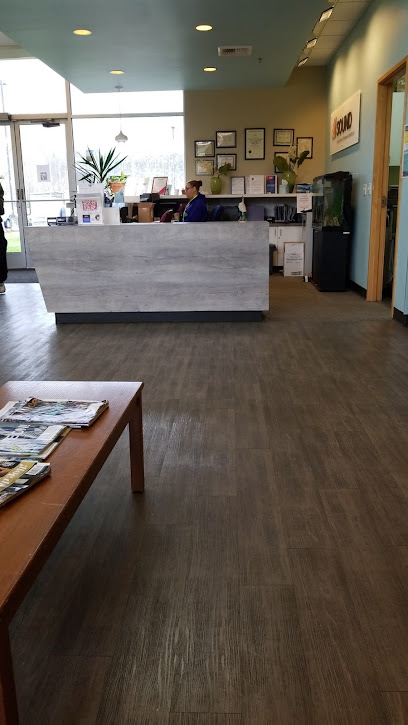
Sound
Bellevue, WA
- IOP
- MAT
Substance use treatment · Cognitive behavioral therapy · Dialectical behavior therapy
Accepts: Cash or self-payment, Medicaid, Medicare
Youth Eastside Services (YES) Bellevue Main Facility
Bellevue, WA
- Outpatient
Substance use treatment · Accepts clients on opioid medication but prescribed elsewhere · Cognitive behavioral therapy
Accepts: Cash or self-payment, Medicaid, State-financed health insurance plan other than Medicaid
Mindful Alternatives LLC
Bellevue, WA
- Outpatient
Substance use treatment · Accepts clients on opioid medication but prescribed elsewhere · Cognitive behavioral therapy
Accepts: Cash or self-payment, Private health insurance, Active duty military
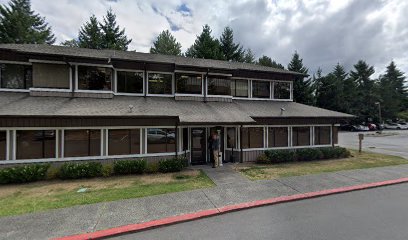
New Life Recovery Solutions
Bellevue, WA
- IOP
- MAT
Substance use treatment · Accepts clients on opioid medication but prescribed elsewhere · Cognitive behavioral therapy
Accepts: Cash or self-payment, Private health insurance
Therapeutic Health Services Eastside Branch
Bellevue, WA
- IOP
- MAT
Substance use treatment · SAMHSA-certified Opioid Treatment Program · Cognitive behavioral therapy
Accepts: Cash or self-payment, Medicaid, Medicare
Coastal Treatment Services
Bellevue, WA
- IOP
Substance use treatment · Does not use medication for opioid addiction · Accepts clients on opioid medication but prescribed elsewhere
Accepts: Cash or self-payment, Private health insurance, Military insurance