

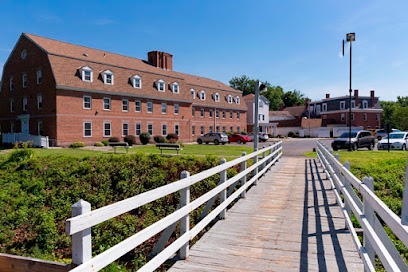
At a Glance
Primary Focus
Treatment Settings
Treatment Approaches
Special Programs
About Rushford Center Inc MISA OP
Rushford Center Inc MISA OP in Middletown, CT offers residential treatment, outpatient, and intensive outpatient programs for adults navigating addiction and co-occurring disorders. The center serves men, women, deaf and hard-of-hearing individuals, and court-ordered clients, with Cognitive Behavioral Therapy at the core of its clinical work. Multiple payment options — including Medicaid and sliding scale — make ongoing recovery accessible.
Rushford Center Inc MISA OP sits at 1250 Silver Street in Middletown, Connecticut, operating as a dedicated substance use treatment facility within Middlesex County. Part of the recoveryneverstops.org network, the center approaches addiction treatment as a long-term commitment rather than a single episode of care, offering a continuum of services designed to meet people at different points in their recovery journey. Its name — MISA, reflecting a Mental Illness and Substance Abuse focus — signals a deliberate orientation toward clients whose recovery is complicated by co-occurring psychiatric conditions alongside substance use disorders.
The center provides three distinct levels of care: residential treatment for those who need a structured, immersive environment away from daily triggers; a standard outpatient program for clients who can maintain recovery while living at home; and an Intensive Outpatient Program (IOP) for those who need more clinical contact than weekly sessions but do not require full residential placement. Evening hours on Mondays, Wednesdays, and Thursdays extend access to the IOP and outpatient tracks for adults balancing work, family, or other obligations — a practical detail that matters when choosing a long-term recovery partner.
Cognitive Behavioral Therapy (CBT) forms the clinical backbone of treatment at Rushford Center. CBT equips people in recovery with concrete skills for identifying thought patterns that fuel substance use, managing triggers, and building sustainable coping strategies — tools that remain useful well beyond the formal treatment period. The center also carries a documented specialization in Trauma and PTSD, recognizing that unresolved trauma frequently underlies substance use disorders, as well as a dual diagnosis capability for clients managing co-occurring mental health conditions alongside addiction.
Rushford Center serves men, women, deaf and hard-of-hearing individuals, and those entering treatment through court order — a breadth of populations that reflects a facility built to meet real community need rather than a narrow niche. Payment options include Medicaid, private insurance, self-pay, and a sliding scale fee structure, removing financial barriers that often delay people from beginning or continuing addiction treatment. For individuals and families in Middlesex County seeking a recovery center that can address the full complexity of substance use and mental health together, Rushford Center offers a clinically grounded, accessible option.
Residential and Outpatient Treatment in Middletown, CT
Rushford Center Inc MISA OP offers a full continuum of substance abuse treatment at its Middletown, Connecticut location — from residential treatment for those who benefit from a fully immersive recovery environment, to Intensive Outpatient Programming (IOP) and a standard outpatient program for those building recovery while living in the community. This range of levels of care means a person's treatment plan can evolve as their needs change, without the disruption of switching to an entirely different provider or system.
The center's extended evening hours on Mondays, Wednesdays, and Thursdays are a practical acknowledgment that many adults pursuing long-term recovery cannot simply step away from their daily responsibilities. By scheduling programming into the evening, Rushford Center keeps the door open for people in the workforce, caregivers, and those fulfilling court-ordered treatment requirements — populations whose recovery needs are just as real as anyone else's.
Dual Diagnosis and Trauma-Informed Addiction Treatment
The MISA designation in Rushford Center's name stands for Mental Illness and Substance Abuse — a deliberate signal that this facility is structured to treat co-occurring disorders, not route clients with psychiatric conditions elsewhere. For people whose substance use is intertwined with depression, anxiety, PTSD, or other mental health challenges, a dual diagnosis approach means both conditions are addressed within the same treatment setting. This integrated model is widely considered essential for durable, long-term recovery.
Trauma and PTSD are listed explicitly as conditions treated at Rushford Center, reflecting a clinical understanding that unresolved trauma is frequently a driving factor in substance use disorders. Cognitive Behavioral Therapy (CBT) — the center's confirmed therapeutic method — provides structured, skill-based tools that help clients in residential treatment and outpatient programs alike learn to recognize and interrupt the thought patterns that contribute to substance use. These are skills that extend well beyond discharge, supporting ongoing recovery in the community.
Who Rushford Center Serves and How to Access Care
Rushford Center's programs are open to men and women, and the facility is specifically equipped to serve deaf and hard-of-hearing individuals — an accommodation that many addiction treatment and sober living programs do not offer. The center also accepts court-ordered clients, making it a resource for individuals whose path into treatment begins through the legal system rather than self-referral. This breadth reflects a recovery center oriented toward real community need across a range of circumstances.
Financial access is a serious consideration in long-term recovery planning, and Rushford Center accepts Medicaid, private insurance, and self-pay, with a sliding scale fee option for those who qualify. Prospective clients and their families can reach the center directly at (860) 346-0300 during operating hours, Monday through Friday, with extended hours available on weekday evenings. The center's website, recoveryneverstops.org, reflects the program's underlying philosophy: that recovery is not a finite event but an ongoing commitment.
CBT and the Clinical Approach to Long-Term Recovery
Cognitive Behavioral Therapy is the confirmed therapeutic foundation at Rushford Center, and its value in a long-term recovery context is well-established. CBT is a structured, skills-focused approach that helps people in substance abuse treatment identify the connections between their thoughts, emotions, and behaviors — and develop practical strategies for disrupting cycles that lead to substance use. Unlike approaches that rely solely on insight or peer support, CBT gives clients transferable tools they can continue applying after residential treatment or outpatient programming ends.
For clients dealing with co-occurring disorders or trauma histories, CBT offers a particularly useful framework because it addresses both the cognitive patterns underlying mental health symptoms and those connected to substance use. At a facility built around the MISA model, where dual diagnosis is treated as the rule rather than the exception, a CBT-grounded clinical approach supports the kind of integrated treatment that recovery from complex presentations requires.
Why Choose Rushford Center Inc MISA OP
- Specialized MISA (Mental Illness and Substance Abuse) programming addresses dual diagnosis and co-occurring disorders directly, not as an afterthought
- Three levels of care — residential, outpatient, and IOP — allow clients to step up or down in intensity without changing providers
- Evening hours three days a week make the outpatient and IOP tracks workable for adults with jobs, families, or court obligations
- Explicit specialization in Trauma and PTSD treatment alongside substance use recovery
- Sliding scale fees and Medicaid acceptance make sustained addiction treatment accessible regardless of financial situation
Frequently Asked Questions
What levels of care does Rushford Center offer for addiction treatment?
Rushford Center provides three levels of care: residential treatment, a standard outpatient program, and an Intensive Outpatient Program (IOP). This continuum allows clients to receive the level of support that matches their current recovery needs, and to transition between levels as circumstances change. Having all three options within one facility helps maintain continuity of care throughout the recovery process.
Does Rushford Center treat co-occurring mental health conditions alongside substance use?
Yes. The MISA designation in the center's name — Mental Illness and Substance Abuse — reflects a direct focus on co-occurring disorders and dual diagnosis treatment. Rushford Center also lists Trauma and PTSD as specific conditions treated, recognizing that mental health and substance use challenges are frequently interconnected and need to be addressed together for lasting recovery.
What therapy approaches are used at Rushford Center?
Cognitive Behavioral Therapy (CBT) is the confirmed therapeutic method used at Rushford Center. CBT is a structured, skills-based approach that helps clients recognize thought and behavior patterns connected to substance use and develop practical coping strategies. These skills are designed to remain useful long after formal treatment ends, supporting sustained recovery in the community.
What are the operating hours at Rushford Center in Middletown, CT?
Rushford Center is open Monday through Friday. Monday, Wednesday, and Thursday hours run from 8:00 AM to 8:30 PM, Tuesday hours are 8:00 AM to 6:00 PM, and Friday hours are 8:00 AM to 5:00 PM. The extended evening hours on three weekdays make the center accessible to clients who work during the day or have other daytime obligations.
Does Rushford Center accept Medicaid or offer financial assistance?
Yes. Rushford Center accepts Medicaid and private insurance, and also offers self-pay and sliding scale fee options. The sliding scale structure adjusts costs based on financial circumstances, which can make ongoing addiction treatment and outpatient programming more accessible for individuals and families who might otherwise face financial barriers to care.
Is Rushford Center equipped to serve deaf or hard-of-hearing individuals?
Yes. Deaf and hard-of-hearing individuals are explicitly listed among the populations Rushford Center is equipped to serve. This is a meaningful distinction, as accessibility accommodations for the deaf and hard-of-hearing community are not universally available across addiction treatment and recovery center settings in Connecticut.
Does Rushford Center accept court-ordered clients?
Yes. Rushford Center serves court-ordered clients across its programs, including residential treatment and outpatient options. The center's range of levels of care and extended evening hours can accommodate the scheduling and documentation requirements that often accompany court-mandated substance abuse treatment.
What is the difference between the IOP and the outpatient program at Rushford Center?
An Intensive Outpatient Program (IOP) involves a higher frequency of clinical sessions per week compared to a standard outpatient program, making it appropriate for individuals who need more structure and support than weekly appointments but do not require around-the-clock residential care. Rushford Center offers both, allowing clients to be placed at the right level of intensity for their specific recovery situation.
Where is Rushford Center located and how can I contact them?
Rushford Center Inc MISA OP is located at 1250 Silver Street in Middletown, Connecticut 06457, in Middlesex County. The center can be reached by phone at (860) 346-0300 during operating hours, Monday through Friday. Additional information is available at recoveryneverstops.org.
Nearby Treatment Centers
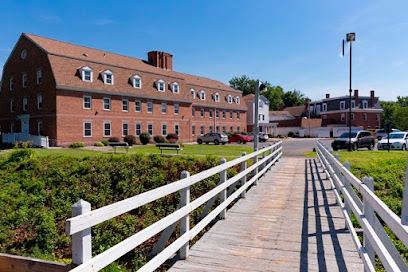
Rushford Center Inc Residential Detox Services
Middletown, CT
- Detox
- Residential
- MAT
Accepts clients on opioid medication but prescribed elsewhere · SAMHSA-certified Opioid Treatment Program · Cognitive behavioral therapy
Accepts: Cash or self-payment, Medicaid, State-financed health insurance plan other than Medicaid
Rushford Center Inc Residential Intensive Treatment DMHAS
Middletown, CT
- Residential
- MAT
Substance use treatment · Accepts clients on opioid medication but prescribed elsewhere · Cognitive behavioral therapy
Accepts: Cash or self-payment, Medicaid, State-financed health insurance plan other than Medicaid
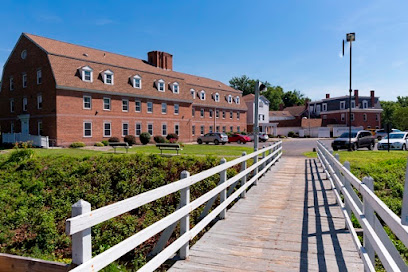
Rushford Center Inc Adult Ambulatory Services
Middletown, CT
- Detox
- Residential
- PHP
- IOP
Substance use treatment · SAMHSA-certified Opioid Treatment Program · Cognitive behavioral therapy
Accepts: Cash or self-payment, Medicaid, State-financed health insurance plan other than Medicaid

Connecticut Valley Hospital Addiction Services Division
Middletown, CT
- Detox
- MAT
Substance use treatment · SAMHSA-certified Opioid Treatment Program · Cognitive behavioral therapy
Accepts: Cash or self-payment, Medicaid, Medicare
Gilead Community Services Inc
Middletown, CT
- Outpatient
- MAT
Substance use treatment · Accepts clients on opioid medication but prescribed elsewhere · Cognitive behavioral therapy
Accepts: Cash or self-payment, Medicaid, Medicare
College Street Counseling Center LLC
Middletown, CT
- Outpatient
Substance use treatment · Accepts clients on opioid medication but prescribed elsewhere · Cognitive behavioral therapy
Accepts: Cash or self-payment, Medicare, Private health insurance