

At a Glance
Primary Focus
Treatment Settings
Treatment Approaches
Special Programs
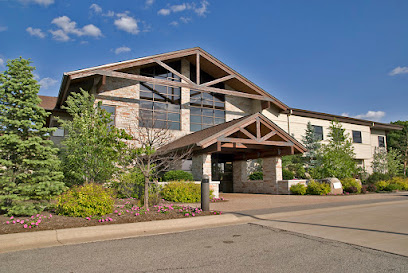
About Rosecrance Inc Griffin Williamson Adol Campus
Rosecrance Griffin Williamson Adolescent Campus in Rockford, IL offers residential treatment, partial hospitalization, and outpatient programming for adolescents, young adults, and adults navigating substance use and co-occurring mental health conditions. With a capacity of 80 and Medicaid acceptance, the campus connects people across the recovery continuum — from structured residential care through aftercare and sober living support.
Rosecrance Griffin Williamson Adolescent Campus sits at 1601 University Drive in Rockford, Illinois, serving Winnebago County as a multi-level addiction treatment and recovery center. The facility operates seven days a week and holds a capacity of 80, making it one of the larger dedicated recovery programs in the region. Rosecrance as an organization has a deep footprint in northern Illinois, and this campus reflects that reach through a structured continuum designed to carry people well beyond initial treatment and into lasting recovery.
The campus delivers three distinct levels of care: residential treatment for those who need immersive, around-the-clock support; a Partial Hospitalization Program (PHP) that provides intensive daily structure while allowing more flexibility than full residential; and an outpatient program for individuals stepping down or beginning their recovery while living in the community. This layered approach means clients can move through levels of care within the same system rather than transferring to an unfamiliar program as their needs change.
Treatment at this campus addresses both substance use disorders — including alcohol, opioid, cocaine, methamphetamine, cannabis, and sedative use disorders — and a wide range of co-occurring mental health conditions such as depression, PTSD, anxiety, bipolar disorder, and borderline personality disorder. The therapeutic toolkit includes individual therapy, group therapy, family therapy, couples therapy, psychiatric services, medication-assisted treatment (MAT), Transcranial Magnetic Stimulation (TMS), Spravato, and life skills support. That combination of psychiatric services, MAT, and advanced interventions like TMS and Spravato is relatively uncommon at a single residential campus and sets Rosecrance apart for people managing complex dual-diagnosis needs.
Rosecrance Griffin Williamson specifically serves adolescents ages 12–18, youth, young adults, adults, older adults, women with children, veterans, and first responders and frontline workers. Medicaid is accepted, and the campus is designated as a low-cost provider, removing financial barriers that often delay treatment. Aftercare planning connects graduates to sober living housing and recovery housing with supportive living, offering a concrete bridge between residential treatment and independent life in the community.
A Full Recovery Continuum in Rockford, Illinois
Rosecrance Griffin Williamson Adolescent Campus operates at the intersection of residential treatment and long-term recovery support in Rockford, IL. Rather than offering a single level of care, the campus provides residential treatment, Partial Hospitalization (PHP), and outpatient programming — allowing individuals and families to stay within a consistent treatment relationship as needs evolve. For people who understand that recovery is not a single event but a process measured in months and years, this continuity matters.
The campus runs seven days a week, with extended hours Monday through Friday from 8:00 AM to 8:00 PM and weekend availability as well. With a 80-person capacity, the program has the scale to serve a meaningful portion of Winnebago County's recovery community while still maintaining structured, clinically supervised care at every level.
Co-Occurring Mental Health Treatment Alongside Substance Abuse Recovery
Many people entering rehab or a residential treatment program carry more than one diagnosis. Rosecrance Griffin Williamson is built to address that reality directly. The campus treats a broad range of co-occurring conditions alongside substance use disorders — including PTSD, bipolar disorder, depression, anxiety, borderline personality disorder, OCD, schizophrenia, and eating disorders, among others. Psychiatric services are part of the clinical model, not an add-on.
The availability of medication-assisted treatment (MAT), Transcranial Magnetic Stimulation (TMS), and Spravato within a residential and outpatient setting reflects a commitment to addressing the full clinical picture. For individuals whose substance use disorder is intertwined with treatment-resistant depression or other complex mental health conditions, having access to these tools within the same recovery center is a meaningful advantage over programs that treat addiction and mental health in separate silos.
Aftercare, Sober Living, and the Path Forward
Completing a residential or PHP program is a milestone, not a finish line. Rosecrance Griffin Williamson supports the transition out of structured care through connections to sober living housing and recovery housing with supportive living. These aftercare resources give graduates a structured environment to practice the skills and routines built during treatment before moving into fully independent living.
For families supporting a loved one through this process, knowing that aftercare planning is built into the program — not tacked on as an afterthought — can reduce one of the most anxiety-inducing parts of the treatment experience: what happens next. The campus serves women with children, veterans, and first responders alongside adolescents and adults, meaning aftercare planning reflects the specific circumstances of each population rather than a one-size approach.
Who Rosecrance Griffin Williamson Serves
The campus is designed to serve a wide cross-section of people in recovery. Adolescents ages 12–18, young adults, adults, and older adults are all within the program's scope, as are women with children, veterans, and first responders and frontline workers. That breadth is not accidental — it reflects a recognition that addiction affects every demographic and that community-based recovery centers need to meet people where they are.
Medicaid is accepted, and the facility is classified as a low-cost provider, which directly addresses one of the most common barriers to accessing quality substance abuse treatment and residential rehab. For families in Winnebago County and the broader Rockford area exploring treatment options, Rosecrance Griffin Williamson represents a substantive option across multiple levels of care without requiring private insurance or out-of-pocket resources that many families simply do not have.
Why Choose Rosecrance Inc Griffin Williamson Adol Campus
- One of few residential recovery centers in Rockford serving adolescents ages 12–18 through adults, all under one organization
- Advanced psychiatric interventions — including Transcranial Magnetic Stimulation (TMS) and Spravato — available alongside standard residential and outpatient treatment
- Medication-assisted treatment (MAT) integrated across levels of care for those with opioid and other substance use disorders
- Aftercare support with direct connections to sober living housing and recovery housing, creating a full continuum from residential to independent living
- Medicaid accepted at a low-cost facility with 80-person capacity, making structured residential and outpatient rehab accessible to underserved populations
Frequently Asked Questions
What levels of care does Rosecrance Griffin Williamson offer?
The campus provides three levels of care: residential treatment, Partial Hospitalization (PHP), and an outpatient program. This range allows individuals to receive the intensity of support that matches where they are in recovery, and to step down through levels of care within the same treatment system rather than transferring elsewhere.
Does Rosecrance Griffin Williamson accept Medicaid?
Yes, Medicaid is an accepted payment method at this campus. The facility is also designated as a low-cost provider, which helps make residential treatment, PHP, and outpatient programming accessible to individuals and families who may have limited financial resources.
What age groups does this campus serve?
Rosecrance Griffin Williamson serves adolescents ages 12–18, youth, young adults, adults, and older adults. The campus also specifically serves women with children, veterans, and first responders and frontline workers.
Does the program treat co-occurring mental health conditions alongside addiction?
Yes. The campus treats a wide range of co-occurring conditions including depression, PTSD, anxiety, bipolar disorder, borderline personality disorder, OCD, schizophrenia, and others alongside substance use disorders. Psychiatric services are part of the clinical model offered on campus.
What therapeutic approaches are available at this facility?
The campus offers individual therapy, group therapy, family therapy, couples therapy, psychiatric services, medication-assisted treatment (MAT), Transcranial Magnetic Stimulation (TMS), Spravato, and life skills support. The inclusion of TMS and Spravato alongside MAT is particularly relevant for individuals with co-occurring treatment-resistant conditions.
Is there aftercare or sober living support available after completing residential treatment?
Yes. Rosecrance Griffin Williamson connects graduates with sober living housing and recovery housing with supportive living as part of its aftercare support. These resources help bridge the gap between structured residential care and independent life in the community.
What substance use disorders does the campus treat?
The campus treats alcohol use disorder, opioid use disorder, cocaine use disorder, methamphetamine use disorder, cannabis and marijuana use disorder, and sedative use disorder, among others.
What is the capacity at Rosecrance Griffin Williamson?
The campus has a capacity of 80, making it one of the larger dedicated residential addiction treatment and recovery programs in the Rockford, Illinois area.
What are the operating hours for this campus?
The campus is open Monday through Friday from 8:00 AM to 8:00 PM, and on Saturday and Sunday from 8:00 AM to 4:30 PM. You can reach the campus by phone at (888) 928-0212.
Does Rosecrance Griffin Williamson serve veterans and first responders?
Yes. Veterans and first responders and frontline workers are among the specific populations the campus is designed to serve. The program's range of psychiatric services, MAT, and multiple levels of care can be particularly relevant for these groups, who often face complex co-occurring conditions alongside substance use disorders.
Nearby Treatment Centers
Rosecrance Inc Monarch Homes/Outpatient
Rockford, IL
- Outpatient
- Sober Living
Substance use treatment · Accepts clients on opioid medication but prescribed elsewhere · Cognitive behavioral therapy
Accepts: Cash or self-payment, Medicaid, State-financed health insurance plan other than Medicaid
KP Counseling Ltd
Rockford, IL
- IOP
Substance use treatment · Accepts clients on opioid medication but prescribed elsewhere · Cognitive behavioral therapy
Accepts: Cash or self-payment, Private health insurance
Restore Counseling and Recovery Inc
Rockford, IL
- IOP
Substance use treatment · Accepts clients on opioid medication but prescribed elsewhere · Cognitive behavioral therapy
Accepts: Cash or self-payment, Medicare, Private health insurance
Mathers Clinic LLC
Rockford, IL
- Detox
- Outpatient
- MAT
Substance use treatment · Cognitive behavioral therapy · Dialectical behavior therapy
Accepts: Cash or self-payment, Medicare, Private health insurance

Remedies Renewing Lives
Rockford, IL
- Detox
- IOP
- MAT
Substance use treatment · SAMHSA-certified Opioid Treatment Program · Cognitive behavioral therapy
Accepts: Cash or self-payment, Medicaid, State-financed health insurance plan other than Medicaid
Remedies Renewing Lives
Belvidere, IL
- IOP
Substance use treatment · Accepts clients on opioid medication but prescribed elsewhere · Cognitive behavioral therapy
Accepts: Cash or self-payment, Medicaid, State-financed health insurance plan other than Medicaid