

At a Glance
Primary Focus
Treatment Settings
Treatment Approaches
Special Programs
About Rosecrance Inc Harrison Adult Campus/Health Ctr
Rosecrance Inc Harrison Adult Campus in Rockford, IL offers residential treatment, partial hospitalization, and outpatient programming for adults navigating substance use and co-occurring mental health conditions. With a capacity of 97 and aftercare support that includes recovery housing, supportive living, and alumni programs, this center is structured for the full arc of recovery — not just the early days.
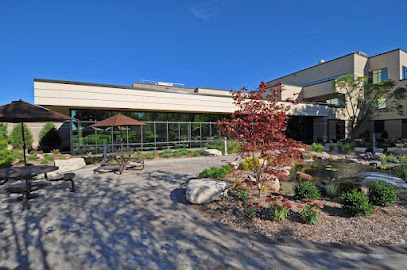
Rosecrance Inc Harrison Adult Campus, located at 3815 Harrison Avenue in Rockford, Illinois, is a residential addiction treatment and behavioral health center serving Winnebago County and surrounding communities. With a capacity of 97, the Harrison campus operates as a full-service recovery center within the broader Rosecrance network, offering structured care across multiple levels of intensity for people dealing with substance use disorders alongside complex mental health needs.
The center's continuum spans three distinct levels of care: residential treatment for those who need immersive, around-the-clock support; Partial Hospitalization (PHP), which provides intensive daytime programming while allowing clients to return home or to supportive housing in the evenings; and an outpatient program for those stepping down from higher levels of care or managing recovery while maintaining work, school, or family obligations. This range allows individuals to move through the recovery process within a single system rather than being transferred to unfamiliar providers at each transition.
Clinically, the Harrison Campus brings together individual therapy, group therapy, couples therapy, and family therapy alongside psychiatric services and medication-assisted treatment (MAT). The inclusion of Transcranial Magnetic Stimulation (TMS) and Spravato — two FDA-cleared interventions for treatment-resistant depression — signals a serious commitment to addressing the mental health side of recovery, not just the substance use component. The breadth of conditions treated extends well beyond addiction to include PTSD, bipolar disorder, anxiety, borderline personality disorder, eating disorders, and grief and loss, among others.
Rosecrance's Harrison Campus serves a notably wide population: youth, adolescents, young adults, adults, and older adults are all within scope, as are veterans, first responders and frontline workers, and women with children. Aftercare is built into the model — recovery housing, supportive living options, and alumni programs help bridge the gap between formal treatment and independent long-term recovery. Medicaid is accepted, lowering financial barriers for those who qualify.
A Continuum of Care Built for Long-Term Recovery
One of the most practical challenges in addiction treatment is what happens when the intensity of one level of care no longer matches where a person is in their recovery. Too often, people discharge from residential treatment and lose momentum during the transition to something less structured. Rosecrance Harrison Campus is designed to address that gap directly by offering residential treatment, Partial Hospitalization, and an outpatient program under one roof.
This means a person can begin in residential treatment, move to PHP as stability increases, and then step down to the outpatient program — all within the same system, with continuity of clinical relationships and treatment planning. For people seeking a long-term recovery partner rather than a single-episode intervention, that continuity matters.
Mental Health and Substance Abuse Treatment, Addressed Together
Rosecrance Harrison Campus treats a wide range of co-occurring mental health conditions alongside substance use disorders — including PTSD, bipolar disorder, depression, anxiety, borderline personality disorder, OCD, and eating disorders, among others. This isn't an afterthought; the clinical menu includes psychiatric services and medication-assisted treatment as core components, not add-ons.
For individuals whose depression has not responded to standard treatments, the availability of Transcranial Magnetic Stimulation (TMS) and Spravato (esketamine) represents a meaningful clinical option. These interventions are typically associated with specialty psychiatric settings, and their presence here reflects the facility's capacity to manage complex, dual-diagnosis presentations throughout the course of substance abuse treatment and residential care.
Aftercare, Alumni Programs, and Recovery Housing
Completing a residential treatment program is a milestone, not a finish line. Rosecrance Harrison Campus supports what comes next through a structured aftercare framework that includes recovery housing, supportive living options, and alumni programs. These resources are particularly relevant for people who may not have a stable, sober living environment to return to after treatment — or who simply need continued community to reinforce the work done during their stay.
Alumni programs, in particular, are a feature that community-oriented recovery seekers often cite as a deciding factor when evaluating rehab options. Staying connected to a peer network after discharge has documented benefits for long-term sobriety, and having that network rooted in the same treatment community can make the transition from structured care to independent recovery feel far less isolating.
Who the Harrison Campus Serves
The Harrison Campus is one of the broader-access residential treatment centers in the Rockford area in terms of the populations it explicitly serves. Youth, adolescents, young adults, adults, and older adults are all within scope. Veterans and first responders — groups whose experiences of trauma, stress, and occupational exposure often intersect with substance use in specific ways — are served here as well. Women with children are also included among the populations the center works with.
For families trying to find a single recovery center that can meet the needs of multiple household members, or for individuals belonging to one of these specialized populations, the range of served groups at the Harrison Campus is worth noting. Medicaid is accepted, which broadens access to the center's residential and outpatient programs for eligible individuals and families navigating the financial side of getting treatment.
Why Choose Rosecrance Inc Harrison Adult Campus/Health Ctr
- Three-level continuum — residential, PHP, and outpatient — within one recovery system, reducing hand-off gaps during treatment transitions
- TMS and Spravato available for co-occurring, treatment-resistant depression alongside core addiction treatment
- Serves an unusually broad population: from adolescents to older adults, including veterans, first responders, and women with children
- Built-in aftercare infrastructure including recovery housing, supportive living, and alumni programs to support long-term sobriety
- Medicaid accepted at a 97-bed residential facility, expanding access for individuals who may face financial barriers to longer-term rehab
Frequently Asked Questions
What levels of care does Rosecrance Harrison Campus offer for addiction treatment?
Rosecrance Harrison Campus offers three levels of care: residential treatment, Partial Hospitalization (PHP), and an outpatient program. This continuum allows people to receive more intensive support early in recovery and gradually step down to less structured programming as they build stability, all within the same facility and treatment system.
Does Rosecrance Harrison Campus treat co-occurring mental health conditions alongside addiction?
Yes. The Harrison Campus treats a broad range of co-occurring conditions including PTSD, bipolar disorder, depression, anxiety, borderline personality disorder, OCD, eating disorders, and others alongside substance use disorders. Psychiatric services and medication-assisted treatment (MAT) are available as part of the clinical program.
What substances does Rosecrance Harrison Campus treat?
The center treats alcohol, cannabis, cocaine, methamphetamine, opioids, and sedatives, among other substance use disorders. Many individuals also present with co-occurring mental health conditions, which are addressed as part of the treatment process.
What aftercare and sober living support is available after completing treatment?
After completing a program at the Harrison Campus, individuals can access recovery housing, supportive living options, and alumni programs. These aftercare resources are designed to support the transition from structured residential or outpatient treatment into longer-term independent recovery.
Does Rosecrance Harrison Campus accept Medicaid?
Yes, Medicaid is accepted at Rosecrance Harrison Campus. This makes the center's residential treatment, PHP, and outpatient programs accessible to individuals who qualify, reducing a significant financial barrier for those seeking longer-term substance abuse treatment in the Rockford area.
Who does the Harrison Campus serve — are there specialized programs for certain populations?
The Harrison Campus serves youth, adolescents, young adults, adults, and older adults. Specialized populations include veterans, first responders and frontline workers, and women with children. The center's broad population scope makes it one of the more inclusive residential treatment options in Rockford, IL.
What is Partial Hospitalization (PHP) and how does it fit into the recovery process?
Partial Hospitalization is a level of care that provides intensive, structured programming during the day while allowing clients to return to a home or recovery housing setting in the evenings. At the Harrison Campus, PHP sits between residential treatment and outpatient programming, making it a common step-down option for people transitioning out of full residential care.
What is TMS, and why is it relevant to addiction and mental health treatment?
Transcranial Magnetic Stimulation (TMS) is an FDA-cleared, non-invasive treatment for depression that uses magnetic pulses to stimulate targeted areas of the brain. Its availability at Rosecrance Harrison Campus is notable because untreated or treatment-resistant depression is a common barrier to sustained recovery from substance use disorders. The center also offers Spravato (esketamine) for similar clinical indications.
What are the operating hours for Rosecrance Harrison Campus?
The Harrison Campus is open Monday through Friday from 8:00 AM to 8:00 PM, Saturday and Sunday from 8:00 AM to 6:00 PM. For admissions or program inquiries, the center can be reached at (888) 899-9670.
Nearby Treatment Centers
Rosecrance Inc
Rockford, IL
- Sober Living
Smoking permitted in designated area · State Substance Abuse agency

Salvation Army Adult Rehabilitation Center
Rockford, IL
- Residential
- Sober Living
Substance use treatment · Accepts clients on opioid medication but prescribed elsewhere · Cognitive behavioral therapy
Accepts: Cash or self-payment, Payment assistance
Al Tech Services Inc
Rockford, IL
- IOP
Substance use treatment · Does not use medication for opioid addiction · Cognitive behavioral therapy
Accepts: Cash or self-payment
Remedies Renewing Lives
Rockford, IL
- Detox
- IOP
- MAT
Substance use treatment · SAMHSA-certified Opioid Treatment Program · Cognitive behavioral therapy
Accepts: Cash or self-payment, Medicaid, State-financed health insurance plan other than Medicaid
Mathers Clinic LLC
Rockford, IL
- Detox
- Outpatient
- MAT
Substance use treatment · Cognitive behavioral therapy · Dialectical behavior therapy
Accepts: Cash or self-payment, Medicare, Private health insurance
TASC Inc Rockford
Rockford, IL
- IOP
Substance use treatment · Accepts clients on opioid medication but prescribed elsewhere · Cognitive behavioral therapy
Accepts: Cash or self-payment, Medicaid, State-financed health insurance plan other than Medicaid