

 1 / 3
1 / 3At a Glance
Location
601 Snowpeak Lane, Lafayette, CO 80026
Phone
888-398-4111 x1Primary Focus
Treatment Settings
Treatment Approaches
Special Programs
About Rose House
Rose House is a women-focused residential treatment and outpatient recovery center in Lafayette, Colorado, founded in 2007 by Marcie Chambers, PhD. Offering residential treatment, outpatient, and intensive outpatient programs, Rose House serves a range of populations — including veterans, pregnant women, young adults, and seniors — with a clinical team credentialed in psychology, therapy, and medicine.
Located at 601 Snowpeak Ln in Lafayette, Colorado, Rose House is a substance use treatment center that has been part of the Boulder County recovery community since 2007. Founded by CEO Marcie Chambers, PhD, the center operates around the clock, seven days a week, and maintains a residential capacity of 17 — a size that allows for close clinical attention within a community-oriented setting. For people evaluating longer-term recovery options in the Colorado Front Range, Rose House offers a structured continuum that goes well beyond a single level of care.
Rose House provides three distinct levels of care: residential treatment, an outpatient program, and an intensive outpatient program (IOP). This continuum means clients can move from a fully immersive residential stay into progressively less intensive outpatient programming as their recovery stabilizes — a structure that supports sustained sobriety rather than a one-time intervention. Payment options include private insurance and self-pay.
The clinical philosophy at Rose House is grounded in Cognitive Behavioral Therapy (CBT) and addresses conditions that often accompany substance use, including trauma and PTSD, co-occurring disorders and dual diagnosis, mental health conditions, and process addictions. The presence of a Medical Director (Arshad William, MD) alongside licensed therapists — including Barbara Flood, LAC, LCSW, PhD, who holds a doctorate in Transpersonal Psychology — signals a treatment team that bridges medical oversight with deep psychological expertise.
Rose House specifically serves women, veterans, pregnant women, young adults ages 18 to 25, seniors and older adults, and individuals entering treatment through court order. This breadth of served populations, combined with a small residential capacity and a multidisciplinary staff, positions Rose House as a recovery center for people who need more than a generic program — particularly those navigating complex co-occurring conditions or life circumstances alongside their recovery.
A Residential Treatment Program Built Around Community Recovery
Rose House operates as a 24/7 residential treatment center with a capacity of 17, situated in Lafayette, Colorado — a setting that naturally fosters the kind of peer accountability central to lasting sobriety. For people ready to commit to a full residential stay, that small community size means treatment happens alongside a close-knit group of peers rather than in an anonymous institutional environment.
The residential program is supported by a clinical team that includes a Medical Director, licensed clinical social workers, licensed professional counselors, and therapists with advanced credentials in psychology. Cognitive Behavioral Therapy (CBT) anchors the therapeutic work, and the program addresses co-occurring disorders, trauma and PTSD, mental health conditions, and process addictions — recognizing that lasting recovery often requires treating the full picture of a person's experience, not just substance use in isolation.
Outpatient and Intensive Outpatient Programs for Ongoing Recovery
Recovery does not end when residential treatment does. Rose House offers both a standard outpatient program and an intensive outpatient program (IOP) — structured options for people who have completed a higher level of care or who begin their recovery journey in an outpatient setting. This continuum allows individuals to maintain progress while returning to work, family, or community responsibilities.
For the Sober Nation community — people planning long-term recovery rather than a single acute episode — the availability of stepped-down outpatient care within the same center matters. It reduces the disruption of transitioning between providers and keeps clinical relationships intact through each phase of recovery.
Specialized Populations and Dual-Diagnosis Treatment
Rose House is structured to serve populations that many general rehab programs are not equipped to support. The center explicitly serves women, veterans, pregnant women, young adults ages 18 to 25, seniors and older adults, and people entering treatment through a court order. This is not a one-size-fits-all model — the presence of diverse clinical expertise on staff reflects a commitment to meeting clients where they are.
The treatment program is also built to address co-occurring disorders and dual diagnosis from the outset. Conditions treated include trauma and PTSD, mental health disorders, and process addictions alongside substance use — a recognition that these issues rarely travel alone. Families supporting a loved one in recovery will find that Rose House's clinical framework accounts for the complexity that often underlies addiction.
The Clinical Team at Rose House
Rose House was founded in 2007 by Marcie Chambers, PhD, who continues to serve as CEO. The leadership structure reflects an academically grounded approach to addiction treatment: the clinical team includes Arshad William, MD as Medical Director, Barbara Flood, LAC, LCSW, PhD — whose doctorate is in Transpersonal Psychology — as a primary therapist, and Shelby Walkinshaw, LPC, PhD Candidate as a primary therapist. This depth of credential across medicine, clinical social work, and psychology is notable for a center of this size.
The center operates in English and accepts private insurance and self-pay, making it accessible to a broad range of clients seeking residential or outpatient addiction treatment in the Boulder County area of Colorado.
Why Choose Rose House
- Founded and led by a PhD psychologist — CEO Marcie Chambers, PhD has shaped the center's clinical identity since 2007
- Small residential capacity of 17 supports a genuine recovery community rather than an institutional setting
- Three-level continuum — residential, outpatient, and IOP — keeps clients within the same program as they step down in care intensity
- Explicitly serves populations often underserved by general rehabs: pregnant women, veterans, seniors, and court-ordered individuals
- Dual-diagnosis and trauma-focused treatment (including PTSD and process addictions) is built into the clinical model, not added as an afterthought
Frequently Asked Questions
What levels of care does Rose House offer for people in recovery?
Rose House offers three levels of care: residential treatment, an outpatient program, and an intensive outpatient program (IOP). This continuum supports people at different stages of recovery — from those needing a full residential stay to those stepping down into less intensive outpatient care. Having multiple levels within one center helps clients maintain consistency in their clinical relationships throughout recovery.
Who does Rose House serve?
Rose House specifically serves women, veterans, pregnant women, young adults ages 18 to 25, seniors and older adults, and individuals entering treatment through a court order. The center is designed to address the distinct needs of these populations rather than offering a generic program.
Does Rose House treat co-occurring mental health conditions alongside addiction?
Yes. Rose House treats co-occurring disorders and dual diagnosis as part of its core clinical model. Conditions addressed include trauma and PTSD, mental health disorders, and process addictions — alongside substance use treatment. The clinical team includes staff with advanced credentials in psychology and clinical social work.
What therapeutic approach does Rose House use?
Cognitive Behavioral Therapy (CBT) is the confirmed therapeutic method used at Rose House. The clinical team includes licensed therapists and a Medical Director, providing both psychological and medical perspectives within the treatment program.
How large is the residential program at Rose House?
The residential program at Rose House has a capacity of 17. This small size is intentional — it supports a close-knit recovery community where clients receive close clinical attention rather than being part of a large institutional setting.
What payment options does Rose House accept?
Rose House accepts private insurance and self-pay (cash). Prospective clients or their families should contact the center directly to discuss coverage options for their specific insurance plan.
Is Rose House open every day?
Yes. Rose House operates 24 hours a day, seven days a week. This around-the-clock schedule supports the needs of a residential treatment community as well as individuals in various stages of outpatient recovery.
Where is Rose House located?
Rose House is located at 601 Snowpeak Ln in Lafayette, Colorado 80026, in Boulder County. The center serves people seeking residential treatment, outpatient programs, and intensive outpatient care in the Colorado Front Range region.
When was Rose House founded?
Rose House was founded in 2007 by Marcie Chambers, PhD, who continues to serve as the center's CEO. The center has been part of the Boulder County addiction treatment and recovery community for nearly two decades.
Does Rose House serve veterans seeking addiction treatment?
Yes. Veterans are among the populations explicitly served by Rose House. The center's treatment framework — which includes trauma and PTSD treatment alongside substance use care — is relevant to many veterans navigating recovery from addiction and co-occurring conditions.
Nearby Treatment Centers
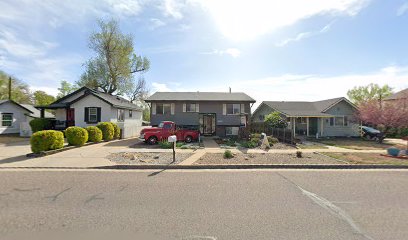
Aspen Treatment Services Inc
Louisville, CO
- Outpatient
Substance use treatment · Does not treat opioid addiction · Cognitive behavioral therapy
Accepts: Cash or self-payment, Medicaid, Sliding fee scale
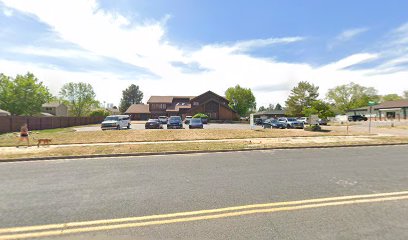
Men and Women Seeking Empowerment
Lafayette, CO
- IOP
- MAT
Substance use treatment · Cognitive behavioral therapy · Dialectical behavior therapy
Accepts: Cash or self-payment, Medicaid, State-financed health insurance plan other than Medicaid
Centennial Peaks Hospital
Louisville, CO
- Detox
- IOP
- MAT
Substance use treatment · Cognitive behavioral therapy · Dialectical behavior therapy
Accepts: Cash or self-payment, Medicaid, Medicare

Monarch OTC
Lafayette, CO
- IOP
Substance use treatment · Accepts clients on opioid medication but prescribed elsewhere · Cognitive behavioral therapy
Accepts: Cash or self-payment
Behavioral Treatment Services
Boulder, CO
- Outpatient
Substance use treatment · Accepts clients on opioid medication but prescribed elsewhere · Cognitive behavioral therapy
Accepts: Cash or self-payment, Medicaid, Sliding fee scale
Behavioral Treatment Services
Boulder, CO
- Outpatient
Substance use treatment · Accepts clients on opioid medication but prescribed elsewhere · Cognitive behavioral therapy
Accepts: Cash or self-payment, Medicaid, Sliding fee scale