

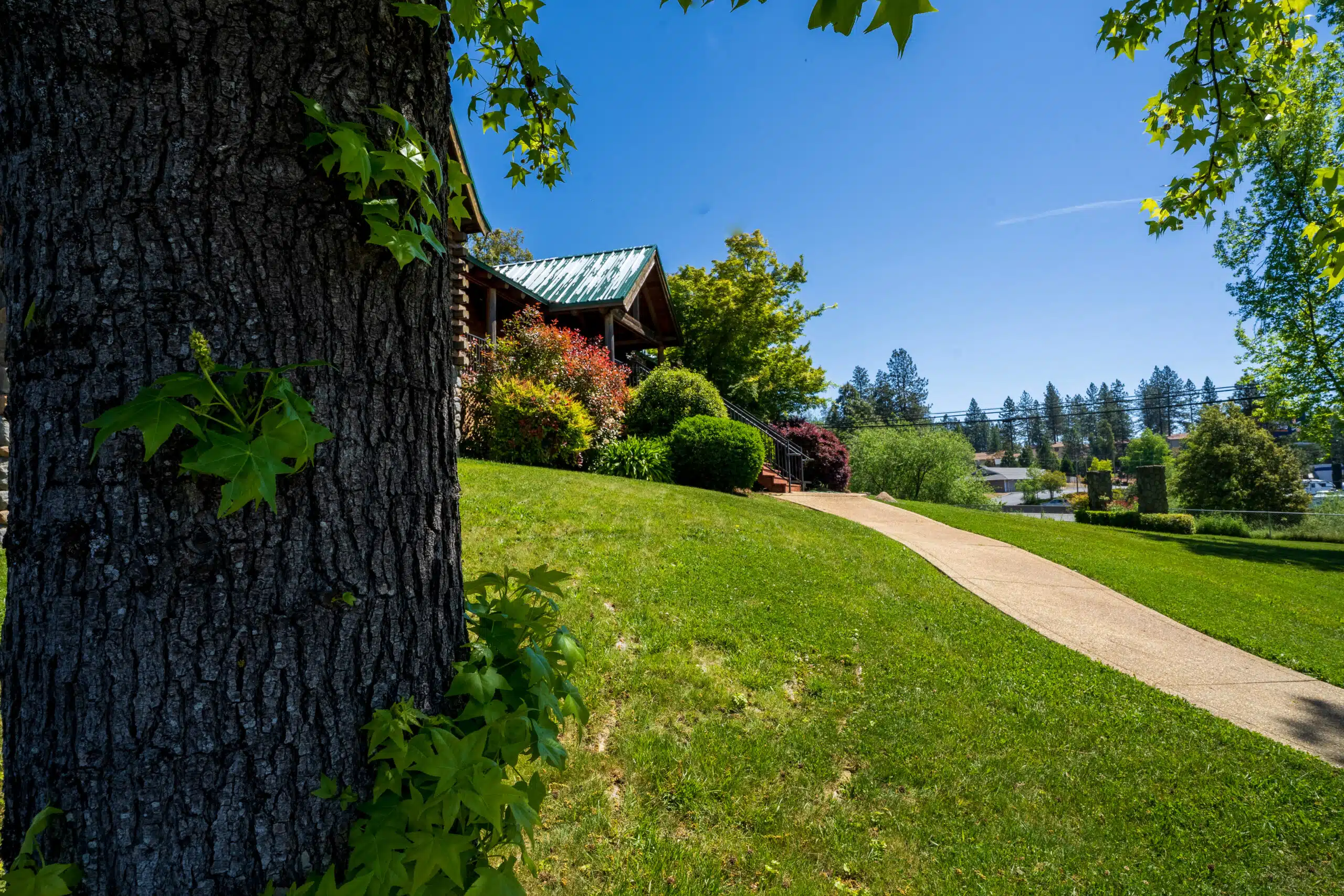
 1 / 2
1 / 2At a Glance
Location
70 College Way, Auburn, CA 95603
Phone
888-290-0925Primary Focus
Treatment Settings
Treatment Approaches
Special Programs
About Restoration Recovery Center
Restoration Recovery Center in Auburn, CA offers a full continuum of addiction treatment — from medical detox through residential treatment and outpatient programs — serving the greater Sacramento region. With a minimum program length of 30 to 90 days and an aftercare and alumni program, the center is built for people committed to long-term recovery, not just short-term stabilization.
Restoration Recovery Center is a substance use treatment facility located at 70 College Way in Auburn, California, in Placer County, serving the greater Sacramento, CA region. The center operates 24 hours a day and offers a structured continuum of care designed for adults seeking a sustained recovery, not just an acute intervention. For those evaluating long-term treatment options, Restoration Recovery Center positions itself as a recovery partner across multiple stages of the process.
The center's levels of care span the full recovery continuum: medical detox, residential treatment, an outpatient program, and an intensive outpatient program (IOP). This range means that someone entering at the medical detox level can step down through residential treatment and then transition into outpatient programming without leaving the care system — a continuity that matters for durable recovery outcomes. The minimum program length runs from 30 to 90 days, reflecting a commitment to treatment that goes beyond short-term stabilization.
Therapeutic methods at Restoration Recovery Center include Cognitive Behavioral Therapy (CBT), Trauma Therapy, Trauma Narrative Therapy, Acceptance and Commitment Therapy, Holistic Therapy, and Mindfulness Practices. These approaches address both the behavioral patterns and the underlying experiences that contribute to substance use disorder, including dual diagnosis conditions where mental health and addiction intersect. The combination of trauma-focused and mindfulness-based work alongside CBT gives the clinical program notable breadth.
Restoration Recovery Center treats a wide range of conditions, including Alcohol Use Disorder, Opioid Addiction, Heroin Addiction, Fentanyl Addiction, Methamphetamine Addiction, Cocaine Addiction, Crack Addiction, Prescription Painkiller Addiction, Prescription Uppers Addiction, Kratom Addiction, and Dual Diagnosis Disorders. Payment options include private insurance, TRICARE, self-pay, and Kaiser, with Health Net and Kaiser Permanente among accepted carriers. An aftercare and alumni program supports residents as they transition out of active treatment and into the longer arc of sober living and community-based recovery.
A Full Continuum of Care for Long-Term Recovery
Restoration Recovery Center is structured around the idea that recovery does not end at detox. The Auburn, CA facility offers medical detox, residential treatment, an outpatient program, and an intensive outpatient program (IOP) — four distinct levels of care that allow individuals to move through treatment as their clinical needs change, without having to start over at a new facility.
For the Sacramento-area recovery community, this kind of continuity is significant. Step-down care — moving from a higher level of clinical support to a more independent one — is widely recognized as an important factor in long-term sobriety. With a minimum program length of 30 to 90 days, Restoration Recovery Center is designed for people who are ready to invest in a real recovery process, not just stabilization.
Therapeutic Approaches: From CBT to Trauma-Focused Care
The clinical program at Restoration Recovery Center draws on several therapeutic methods: Cognitive Behavioral Therapy (CBT), Trauma Therapy, Trauma Narrative Therapy, Acceptance and Commitment Therapy (ACT), Holistic Therapy, and Mindfulness Practices. This combination addresses both the behavioral dimensions of addiction and the deeper experiences — including trauma and co-occurring mental health conditions — that often drive substance use.
The inclusion of dual diagnosis treatment is particularly relevant for those whose substance use disorder is intertwined with anxiety, depression, PTSD, or other mental health conditions. Treating both simultaneously, rather than sequentially, is a more integrated model of care and one that aligns with what current research supports for lasting recovery outcomes.
Aftercare, Alumni, and Life After Residential Treatment
Restoration Recovery Center offers an aftercare and alumni program, extending the recovery relationship beyond the point of discharge. For people transitioning out of residential treatment or completing an IOP, this kind of structured post-treatment support can make a meaningful difference in maintaining sobriety during the vulnerable early months of independent living.
For families and individuals in the Sacramento region evaluating recovery centers, the presence of an alumni network signals that the center views treatment as a longer relationship — not a transaction. Alumni programs create peer accountability and a sense of belonging in the broader recovery community, both of which are recognized supports for long-term sobriety.
Conditions Treated and Who Restoration Recovery Center Serves
Restoration Recovery Center treats a broad range of substance use disorders, including Alcohol Use Disorder, Opioid Addiction, Heroin Addiction, Fentanyl Addiction, Methamphetamine Addiction, Cocaine Addiction, Crack Addiction, Prescription Painkiller Addiction, Prescription Uppers Addiction, Kratom Addiction, and Dual Diagnosis Disorders. The center's scope reflects the reality of polysubstance use and the overlap between addiction and mental health.
The facility accepts private insurance, TRICARE, self-pay and cash, and Kaiser, with Health Net and Kaiser Permanente listed as accepted insurance carriers. The center is open 24 hours and serves the Sacramento, CA region from its location in Auburn, Placer County. Prospective residents and their families can reach the admissions team at (888) 290-0925.
Why Choose Restoration Recovery Center
- Full continuum from medical detox through residential treatment and IOP — all within one recovery center, minimizing gaps in care during step-down
- Minimum 30-to-90-day program length signals a focus on sustained recovery rather than short-cycle treatment
- Aftercare and alumni program extends support beyond discharge, a key factor for community-oriented recovery
- Dual diagnosis treatment built into the program, addressing co-occurring mental health conditions alongside substance use disorder
- Broad insurance access including TRICARE, Kaiser Permanente, Health Net, and self-pay options, reducing financial barriers for Sacramento-area residents
Frequently Asked Questions
What levels of care does Restoration Recovery Center offer?
Restoration Recovery Center offers four levels of care: medical detox, residential treatment, an outpatient program (OP), and an intensive outpatient program (IOP). This full continuum allows individuals to begin treatment at the appropriate clinical level and step down through less intensive programming as recovery progresses, all within the same facility.
How long are programs at Restoration Recovery Center?
The minimum program length at Restoration Recovery Center is 30 to 90 days. This range reflects a commitment to treatment depth that extends well beyond short-term stabilization, giving individuals time to work through the clinical and behavioral components of recovery.
Does Restoration Recovery Center offer medical detox?
Yes. Medical detox is one of the confirmed levels of care at Restoration Recovery Center. The center operates 24 hours a day, and medical detox is available as the first step in the treatment continuum before transitioning into residential or outpatient programming.
What therapeutic methods are used at Restoration Recovery Center?
The center's therapeutic program includes Cognitive Behavioral Therapy (CBT), Trauma Therapy, Trauma Narrative Therapy, Acceptance and Commitment Therapy (ACT), Holistic Therapy, and Mindfulness Practices. These approaches are used to address both behavioral patterns and underlying experiences, including trauma and co-occurring mental health conditions.
Does Restoration Recovery Center treat dual diagnosis conditions?
Yes. Dual Diagnosis Disorders are among the confirmed conditions treated at Restoration Recovery Center. The center's therapeutic methods — including trauma-focused and cognitive-behavioral approaches — are well-suited to addressing co-occurring mental health and substance use disorders simultaneously.
What insurance does Restoration Recovery Center accept?
Restoration Recovery Center accepts private insurance, TRICARE, self-pay and cash, and Kaiser. Confirmed insurance carriers include Health Net and Kaiser Permanente. The center notes that it cannot accept Medicare, Medicaid, or Medi-Cal, so individuals with those plans should inquire about self-pay or alternative options by calling (888) 290-0925.
Is there aftercare or alumni support after completing treatment?
Yes. Restoration Recovery Center offers an aftercare and alumni program to support individuals after they complete residential or outpatient treatment. This type of continuing support is an important component of long-term sobriety and community-based recovery.
Where is Restoration Recovery Center located, and what areas does it serve?
Restoration Recovery Center is located at 70 College Way in Auburn, CA 95603, in Placer County. The center serves the greater Sacramento, CA region. It operates 24 hours a day, and the admissions team can be reached at (888) 290-0925.
What substance use disorders does Restoration Recovery Center treat?
The center treats Alcohol Use Disorder, Opioid Addiction, Heroin Addiction, Fentanyl Addiction, Methamphetamine Addiction, Cocaine Addiction, Crack Addiction, Prescription Painkiller Addiction, Prescription Uppers Addiction, Kratom Addiction, and Dual Diagnosis Disorders. The breadth of conditions treated reflects the center's focus on comprehensive substance abuse treatment for a wide range of recovery needs.
Can someone transition from detox directly into residential treatment at Restoration Recovery Center?
Yes. Because Restoration Recovery Center offers both medical detox and residential treatment as confirmed levels of care within the same facility, individuals can move from detox into residential programming without transferring to a different center. This continuity of care is an important advantage for those beginning a longer recovery process.
Nearby Treatment Centers

Sierra Native Alliance
Auburn, CA
- IOP
Substance use treatment · Accepts clients on opioid medication but prescribed elsewhere · Cognitive behavioral therapy
Accepts: Cash or self-payment, Sliding fee scale, Active duty military
Chapa de Indian Health Program Inc Medication Assisted Treatment Services
Auburn, CA
- Detox
- Outpatient
- MAT
Substance use treatment · Cognitive behavioral therapy · Dialectical behavior therapy
Accepts: Cash or self-payment, Medicaid, Medicare
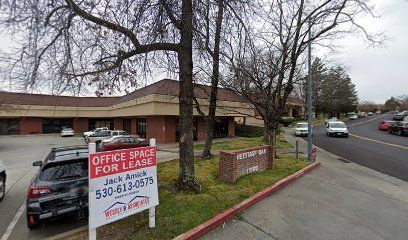
Hope Help and Healing Inc Outpatient
Auburn, CA
- IOP
Substance use treatment · Does not use medication for opioid addiction · Cognitive behavioral therapy
Accepts: Cash or self-payment, Sliding fee scale, Active duty military
Granite Wellness Centers Outpt/DUI/Mothers in Recovery
Auburn, CA
- IOP
- MAT
Substance use treatment · Accepts clients on opioid medication but prescribed elsewhere · Cognitive behavioral therapy
Accepts: Cash or self-payment, Medicaid, State-financed health insurance plan other than Medicaid
Granite Wellness Centers
Auburn, CA
- Detox
- Residential
- MAT
Substance use treatment · Accepts clients on opioid medication but prescribed elsewhere · Cognitive behavioral therapy
Accepts: Cash or self-payment, Private health insurance, Military insurance
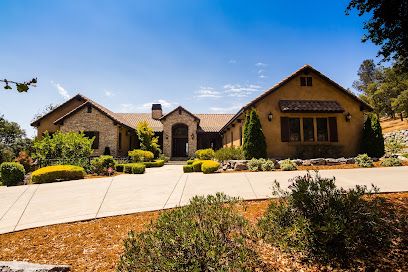
CDT Service Corporation New Dawn Treatment Ctrs/Villa Ladera
Loomis, CA
- Detox
- Residential
- MAT
- Sober Living
Substance use treatment · Cognitive behavioral therapy · Dialectical behavior therapy
Accepts: Cash or self-payment, Private health insurance, Military insurance