


At a Glance
Location
1608 South Elwood Avenue, Tulsa, OK 74119
Phone
918-587-3888Primary Focus
Treatment Settings
Treatment Approaches
Special Programs
About Resonance
Resonance Center for Women is a CARF-accredited outpatient clinic in Tulsa, Oklahoma, offering outpatient and intensive outpatient programs exclusively for women navigating substance use and addiction treatment. The center addresses co-occurring disorders, trauma, and PTSD alongside addiction, and supports longer-term recovery through transitional and sober living connections and reentry services.
Resonance Center for Women is a women-only outpatient clinic located at 1608 South Elwood Avenue in Tulsa, Oklahoma, providing substance use and addiction treatment through a recovery model built around the specific needs of women. Accredited by CARF, the center serves Tulsa and the surrounding community with a focused mission: meeting women where they are in their recovery journey and providing the structure and support to move forward. Unlike generalist treatment programs, Resonance was designed from the ground up to serve women — including pregnant women, young adults, seniors, and those navigating court-ordered treatment or reentry from the justice system.
The center offers two primary levels of outpatient care: a standard Outpatient Program and an Intensive Outpatient Program (IOP). The IOP is designed for women who need a higher level of clinical support without residential placement, making it a practical option for those managing family, work, or housing responsibilities while pursuing sustained recovery. Both programs operate Monday through Friday, 8:00 AM to 5:00 PM, providing consistent access to treatment during the week.
Clinically, Resonance Center for Women uses Cognitive Behavioral Therapy (CBT) as a core therapeutic method, addressing the thought patterns and behaviors connected to substance use. The program also treats trauma and PTSD alongside addiction — a dual-focus that reflects the reality that co-occurring disorders are common among women seeking addiction treatment. This integrated approach to co-occurring disorders and trauma positions the center as a place where the full picture of a woman's recovery is addressed, not just the substance use in isolation.
Resonance serves a wide range of women, including pregnant women, young adults ages 18 to 25, older adults, individuals with HIV/AIDS, those who are deaf or hard of hearing, and women involved with the court system. Payment options include Medicaid, self-pay, and financial assistance, broadening access for women at various economic circumstances. Crucially for those planning longer-term recovery, the center connects clients to transitional and sober living resources and provides reentry services — making Resonance not just a treatment program, but a recovery community partner for women rebuilding their lives in Tulsa.
Outpatient & IOP Addiction Treatment Built for Women's Recovery
Resonance Center for Women offers two levels of outpatient care — a standard Outpatient Program and an Intensive Outpatient Program (IOP) — structured to meet women at different points in their recovery. The IOP is particularly well-suited for women who need more frequent clinical contact than a standard outpatient schedule provides but are not seeking residential placement. Both programs run Monday through Friday during daytime hours, making it possible for women to maintain family and community responsibilities while staying engaged in substance abuse treatment.
At the core of the clinical work is Cognitive Behavioral Therapy (CBT), a therapy model that helps clients examine the connections between thoughts, emotions, and behaviors tied to substance use. Resonance also treats co-occurring disorders and dual diagnosis conditions — meaning women dealing with trauma, PTSD, or other mental health challenges alongside addiction can receive integrated care rather than being referred elsewhere for part of their treatment.
Sober Living, Reentry Services & Life After Treatment in Tulsa
For women planning their recovery beyond the outpatient program, Resonance Center for Women offers connections to transitional and sober living resources as part of its aftercare support. Sober living placement gives women in recovery a stable, substance-free environment while they continue to build the routines and relationships that support long-term sobriety — a critical bridge between the structure of a treatment program and independent living.
Reentry services are also a confirmed part of what Resonance provides, supporting women transitioning out of the justice system who are working to rebuild their lives in the Tulsa community. Court-ordered treatment is accepted, and the center's experience with this population means the staff understands the specific pressures and timelines women in these circumstances face. Together, these aftercare and reentry supports make Resonance a genuine recovery community partner, not just a program women pass through.
Who Resonance Center for Women Serves
Resonance Center for Women is built around the recognition that women face distinct circumstances in addiction and recovery. The center serves pregnant women, young adults between the ages of 18 and 25, seniors and older adults, and women navigating court-ordered treatment requirements. Additional populations served include women with HIV/AIDS and those who are deaf or hard of hearing — communities that are often underserved by generalist addiction treatment programs.
Payment access is a priority at Resonance. The center accepts Medicaid and self-pay, and financial assistance is available for women who qualify. Services are provided in English. For women in Tulsa who are evaluating outpatient programs and want a recovery center designed specifically around women's experiences — including the intersection of trauma, co-occurring disorders, and systemic barriers — Resonance represents a focused option in the Tulsa recovery landscape.
CARF Accreditation & Accountability in Addiction Treatment
Resonance Center for Women holds CARF accreditation, a national standard in addiction treatment and behavioral health that signals a program has met rigorous requirements for quality, outcomes measurement, and client-centered service. For women and families evaluating recovery centers in Tulsa, CARF accreditation provides an independent benchmark — it means the program has been reviewed by an external body, not simply self-reported as high quality.
CARF-accredited programs are required to demonstrate ongoing improvement and accountability to the people they serve. For women choosing a long-term recovery partner rather than a one-time treatment episode, this accreditation is a meaningful indicator that Resonance operates with consistent standards across its outpatient and intensive outpatient programming.
Why Choose Resonance
- Women-only addiction treatment clinic with programming designed specifically for the populations women face — including pregnancy, trauma, co-occurring disorders, and reentry from incarceration
- CARF-accredited outpatient and intensive outpatient programs in Tulsa that treat trauma and PTSD alongside substance use, not as separate issues
- Transitional and sober living connections built into the aftercare model, supporting the full arc of recovery beyond the outpatient program itself
- Reentry services for women leaving the justice system, with court-ordered treatment accepted — a rare specialty that fills a critical gap in the Tulsa recovery community
- Accessible payment options including Medicaid and financial assistance, plus services for deaf and hard of hearing women and HIV/AIDS support — reflecting a genuine commitment to reaching underserved populations
Frequently Asked Questions
What levels of care does Resonance Center for Women offer?
Resonance Center for Women offers two outpatient levels of care: a standard Outpatient Program and an Intensive Outpatient Program (IOP). Both are structured to provide addiction treatment and recovery support for women in Tulsa without requiring residential placement. The IOP is designed for women who benefit from a more intensive schedule of outpatient services.
Does Resonance Center for Women treat trauma and co-occurring disorders?
Yes. Resonance specifically treats trauma, PTSD, and co-occurring disorders alongside substance use. This integrated focus means women dealing with mental health challenges connected to their addiction can address both within the same program rather than navigating separate treatment settings.
What therapeutic methods does Resonance use in its addiction treatment programs?
Resonance Center for Women uses Cognitive Behavioral Therapy (CBT) as a confirmed therapeutic method in its programming. CBT focuses on identifying and changing the thought patterns and behaviors associated with substance use, and is widely used in outpatient addiction treatment settings.
Does Resonance Center for Women offer sober living or aftercare support?
Yes. Transitional and sober living connections are part of what Resonance provides as aftercare support. The center also offers reentry services for women transitioning out of the justice system. These resources help women in Tulsa bridge the gap between completing an outpatient program and maintaining long-term recovery in the community.
Does Resonance accept Medicaid or offer financial assistance?
Resonance Center for Women accepts Medicaid and self-pay, and financial assistance is available for eligible women. These payment options are designed to make addiction treatment accessible to women in Tulsa at a range of economic circumstances.
Is Resonance Center for Women only for women?
Yes. Resonance Center for Women is a women-only outpatient clinic. Its programs are specifically designed for women, including pregnant women, young adults ages 18 to 25, older adults, women involved with the court system, and women with HIV/AIDS or who are deaf or hard of hearing.
Does Resonance accept court-ordered clients?
Yes. Resonance Center for Women accepts court-ordered clients and provides reentry services for women navigating the justice system. The center's experience with this population makes it a recognized option in Tulsa for women with court-mandated treatment requirements.
What are Resonance Center for Women's hours of operation?
Resonance Center for Women is open Monday through Friday from 8:00 AM to 5:00 PM. The center is closed on Saturdays and Sundays. Outpatient and IOP services are delivered during these weekday hours.
Is Resonance Center for Women accredited?
Yes. Resonance Center for Women holds CARF accreditation, a nationally recognized standard in addiction treatment and behavioral health. CARF accreditation indicates that the program has met external quality and accountability standards, which is a meaningful factor when choosing a recovery center.
Where is Resonance Center for Women located?
Resonance Center for Women is located at 1608 South Elwood Avenue in Tulsa, Oklahoma 74119. The center primarily serves women in Tulsa and the surrounding area. You can reach them by phone at (918) 587-3888 or by email at [email protected].
Nearby Treatment Centers
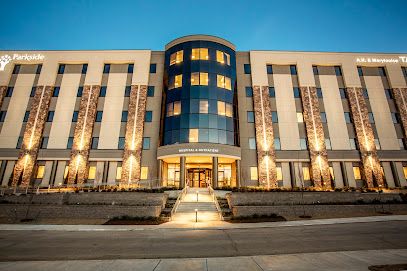
Parkside Psychiatric Hosp and Clinic
Tulsa, OK
- Detox
- IOP
Substance use treatment · Accepts clients on opioid medication but prescribed elsewhere · Cognitive behavioral therapy
Accepts: Cash or self-payment, Medicaid, Medicare
Indian Healthcare Resource Center of Tulsa Inc
Tulsa, OK
- Outpatient
- MAT
Substance use treatment · Accepts clients on opioid medication but prescribed elsewhere · Cognitive behavioral therapy
Accepts: Medicaid, Medicare, Private health insurance
Keetoowah Cherokee Trt Servs
Tulsa, OK
- Detox
- Outpatient
- MAT
Substance use treatment · SAMHSA-certified Opioid Treatment Program · Cognitive behavioral therapy
Accepts: Cash or self-payment, Medicaid, State-financed health insurance plan other than Medicaid
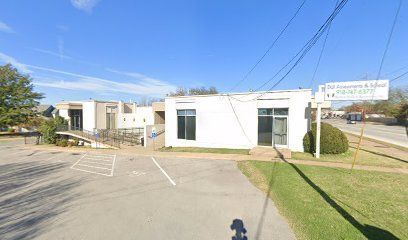
Human Skills and Resources Inc
Tulsa, OK
- Detox
- IOP
- MAT
Substance use treatment · Cognitive behavioral therapy · Substance abuse counseling
Accepts: Cash or self-payment, Medicaid, Private health insurance
Palmer Continuum of Care Inc
Tulsa, OK
- Outpatient
Substance use treatment · Does not treat opioid addiction · Cognitive behavioral therapy
Accepts: Medicaid, Payment assistance

CREOKS Behavioral Health Services
Tulsa, OK
- Detox
- Outpatient
- MAT
Substance use treatment · Accepts clients on opioid medication but prescribed elsewhere · Cognitive behavioral therapy
Accepts: Cash or self-payment, Medicaid, Private health insurance