


At a Glance
Location
1438 Park Avenue, Bridgeport, CT 6604
Phone
203-366-5817Primary Focus
Treatment Settings
Treatment Approaches
Special Programs
About Recovery Network of Programs Inc Recovery Counseling Services
Recovery Network of Programs Inc is a CARF-accredited substance use treatment center in Bridgeport, CT, offering medical detox, outpatient, and intensive outpatient programs to the Greater Bridgeport community. With opioid treatment program certification and services spanning a wide range of populations, RNP provides structured pathways from early recovery through ongoing outpatient care.
Recovery Network of Programs Inc (RNP) is a CARF-accredited substance use treatment center located at 1862 Commerce Drive in Bridgeport, Connecticut, serving the Greater Bridgeport community. As a certified Opioid Treatment Program, RNP occupies a distinct role in Fairfield County's recovery landscape — offering a continuum of care that carries people from medically supervised withdrawal through longer-term outpatient treatment, all under one organizational roof.
RNP's levels of care span medical detox, a standard outpatient program, and an intensive outpatient program (IOP). Medical detox provides clinical oversight during the earliest and most physically demanding phase of recovery. From there, the IOP offers a higher-frequency structure for people who need more support than traditional outpatient while still living in the community, and the outpatient program supports those stepping down or maintaining progress in their recovery over time.
Cognitive Behavioral Therapy (CBT) anchors the clinical work at RNP, giving people practical tools for recognizing and reshaping the thought patterns that fuel substance use. The center also addresses co-occurring disorders and dual diagnosis, recognizing that trauma, PTSD, and mental health conditions frequently intersect with addiction. This dual-diagnosis capacity means treatment is designed to meet the whole person, not just a single diagnosis.
RNP serves a notably broad population: young adults ages 18–25, seniors, men, women, pregnant women, individuals who are Deaf or hard of hearing, people living with HIV/AIDS, and those entering treatment through the court system. Services are available in sixteen languages, making RNP one of the most linguistically accessible recovery centers in the region. Payment options include Medicaid, Medicare, private insurance, state insurance, self-pay, and sliding-scale fees, removing common financial barriers to sustained addiction treatment.
A Continuum of Care: From Medical Detox to Outpatient Recovery
One of the challenges people face when planning long-term recovery is finding a center that can carry them through multiple phases without requiring a disruptive transfer. Recovery Network of Programs addresses this by offering medical detox, an intensive outpatient program (IOP), and a standard outpatient program within a single organization. That continuity matters — the clinical team that supports someone through detox can remain part of the picture as that person moves into outpatient care.
The intensive outpatient program is particularly well-suited for people who are past the acute phase of withdrawal but not yet ready for the lower frequency of standard outpatient. IOP provides structured, regular sessions that allow clients to begin rebuilding daily routines while remaining connected to the recovery community and clinical support. For many people in the Greater Bridgeport area, this step-down structure is the bridge between early recovery and independent, sustained sobriety.
Dual Diagnosis and Trauma-Informed Substance Abuse Treatment
Recovery Network of Programs explicitly treats co-occurring disorders and dual diagnosis alongside substance use, and includes Trauma and PTSD among the conditions addressed in care. This reflects a clinical reality that the broader recovery community has long recognized: untreated mental health conditions are among the most significant drivers of relapse. By addressing both simultaneously, RNP gives clients a stronger foundation for lasting recovery.
Cognitive Behavioral Therapy (CBT) is the confirmed therapeutic method used at the center. CBT is a structured, skills-based approach that helps people identify distorted thinking patterns, develop healthier coping strategies, and build the self-awareness needed for long-term sobriety. For people dealing with both trauma and substance use disorders, CBT offers tools that apply to both challenges at once.
Who Recovery Network of Programs Serves
RNP's population reach is one of its most distinctive features. The center serves young adults (18–25), seniors, men, women, pregnant women, individuals who are Deaf or hard of hearing, people living with HIV/AIDS, and those entering treatment through court orders. This breadth signals an organizational commitment to meeting people where they are — regardless of age, background, health status, or the circumstances that brought them to treatment.
Linguistic accessibility further expands RNP's reach across the Greater Bridgeport community. Services are available in 16 languages including Spanish, Portuguese, Arabic, Mandarin, Vietnamese, Russian, and more. In a city as culturally diverse as Bridgeport, language barriers can be a serious obstacle to engaging in outpatient programs and staying connected to treatment. RNP's multilingual capacity helps ensure that more community members can fully participate in their own recovery.
Payment Options and Accessing Care at RNP
Recovery Network of Programs accepts Medicaid, Medicare, private insurance, state insurance, self-pay (cash), and offers a sliding-scale fee structure. This range of accepted payment methods reflects a commitment to making substance abuse treatment accessible to people across the economic spectrum in Fairfield County. Sliding-scale fees in particular can make ongoing outpatient participation feasible for those without comprehensive insurance coverage.
The center is open Monday through Thursday with extended evening hours on Monday, Wednesday, and Thursday — running until 8:00 PM — which supports working adults and others who cannot attend daytime outpatient sessions. Friday hours run from 8:30 AM to 4:30 PM. RNP is located at 1862 Commerce Drive in Bridgeport, CT, and can be reached by phone at (203) 335-2173.
Why Choose Recovery Network of Programs Inc Recovery Counseling Services
- Certified Opioid Treatment Program (OTP) with CARF accreditation — one of few in Fairfield County offering both medical detox and continuing outpatient care under one organization
- Dual-diagnosis treatment integrating Trauma/PTSD and co-occurring disorders alongside substance use recovery
- Services available in 16 languages, making recovery accessible across Bridgeport's diverse communities
- Serves highly specific populations including pregnant women, Deaf/hard-of-hearing individuals, seniors, and court-ordered clients — populations often underserved by general rehab programs
- Flexible payment options including Medicaid, Medicare, state insurance, and sliding-scale fees, reducing financial barriers to long-term outpatient care
Frequently Asked Questions
What levels of care does Recovery Network of Programs offer?
RNP offers three levels of care: medical detox, an intensive outpatient program (IOP), and a standard outpatient program. This continuum allows clients to move from medically supervised early recovery into structured outpatient treatment without changing providers. The availability of both IOP and outpatient makes RNP suitable for people at different stages of the recovery process.
Is Recovery Network of Programs accredited?
Yes. Recovery Network of Programs holds CARF accreditation, which is an internationally recognized standard for rehabilitation and behavioral health organizations. The center is also certified as an Opioid Treatment Program (OTP), a designation granted to facilities that meet federal requirements for providing opioid treatment services.
Does RNP treat co-occurring mental health conditions alongside addiction?
Yes. Recovery Network of Programs is equipped to treat co-occurring disorders and dual diagnosis, including Trauma and PTSD. Addressing mental health conditions alongside substance use is a core part of the clinical approach at RNP, as the two frequently intersect and each can affect the other's treatment outcomes.
What therapy methods are used at Recovery Network of Programs?
Cognitive Behavioral Therapy (CBT) is the confirmed therapeutic method used at RNP. CBT helps clients identify and change unhelpful thinking patterns and develop practical coping skills. It is particularly effective for people dealing with both substance use disorders and co-occurring conditions like trauma or PTSD.
What populations does Recovery Network of Programs specialize in serving?
RNP serves a wide range of populations including young adults (18–25), seniors, men, women, pregnant women, individuals who are Deaf or hard of hearing, people living with HIV/AIDS, and court-ordered clients. This breadth makes RNP one of the more inclusive addiction treatment options in the Greater Bridgeport area.
What languages are services available in at RNP?
Recovery Network of Programs offers services in 16 languages, including Spanish, Portuguese, Arabic, Mandarin, Vietnamese, Russian, French, Korean, Tagalog, Farsi/Persian, and others. This multilingual capacity is especially significant in Bridgeport's diverse community, where language barriers can otherwise prevent people from engaging fully in outpatient recovery programs.
What payment methods does Recovery Network of Programs accept?
RNP accepts Medicaid, Medicare, private insurance, state insurance, self-pay/cash, and offers a sliding-scale fee option. The sliding-scale structure can make ongoing outpatient participation more accessible to individuals and families who do not have comprehensive insurance coverage.
What are the hours of operation at Recovery Network of Programs?
RNP is open Monday through Friday. Monday, Wednesday, and Thursday hours are 8:30 AM to 8:00 PM, offering extended evening access for those with daytime commitments. Tuesday and Friday hours are 8:30 AM to 4:30 PM. The center is closed on Saturday and Sunday.
Where is Recovery Network of Programs located and who does it serve?
RNP is located at 1862 Commerce Drive in Bridgeport, CT 06605, in Fairfield County. The center primarily serves the Greater Bridgeport community. You can reach them by phone at (203) 335-2173 or visit their website at recovery-programs.org.
Is Recovery Network of Programs a good fit for someone transitioning out of detox into outpatient treatment?
RNP is well-positioned for that transition because it offers both medical detox and outpatient levels of care — including an intensive outpatient program — within the same organization. For people in the Greater Bridgeport area who want to continue working with a familiar clinical team as they step down from detox into community-based recovery, RNP provides that continuity.
Nearby Treatment Centers
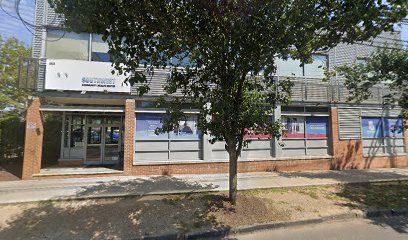
Southwest Community Health Center
Bridgeport, CT
- IOP
- MAT
Substance use treatment · Cognitive behavioral therapy · Substance abuse counseling
Accepts: Cash or self-payment, Medicaid, Private health insurance
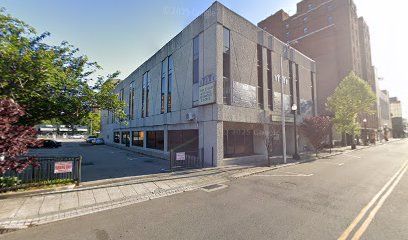
Child and Family Guidance Center
Bridgeport, CT
- Outpatient
Substance use treatment · Accepts clients on opioid medication but prescribed elsewhere · Cognitive behavioral therapy
Accepts: Cash or self-payment, Medicaid, State-financed health insurance plan other than Medicaid
New Prospects Co Occurring Program
Bridgeport, CT
- Residential
- MAT
Substance use treatment · Accepts clients on opioid medication but prescribed elsewhere · Cognitive behavioral therapy
Accepts: Cash or self-payment, Medicaid
Recovery Network of Programs Inc Horizons
Bridgeport, CT
- Residential
- MAT
Substance use treatment · Accepts clients on opioid medication but prescribed elsewhere · Cognitive behavioral therapy
Accepts: Cash or self-payment, Medicaid
Saint Vincents Behavioral Health Outpatient Services
Bridgeport, CT
- IOP
- MAT
Substance use treatment · Cognitive behavioral therapy · Substance abuse counseling
Accepts: Cash or self-payment, Medicaid, Medicare
Recovery Network of Programs Inc Kinsella Treatment Center MATS
Bridgeport, CT
- Detox
- IOP
- MAT
Substance use treatment · All Clients in Opioid Treatment Program · SAMHSA-certified Opioid Treatment Program
Accepts: Cash or self-payment, Medicaid, Medicare