

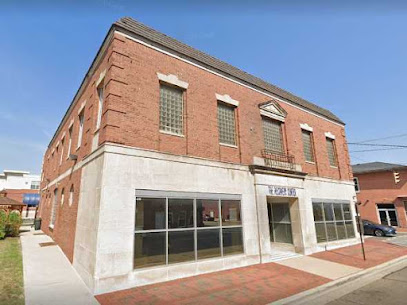
At a Glance
Location
2501 Taylor Street, Wichita Falls, TX 76309
Phone
940-761-3034Primary Focus
Treatment Settings
Treatment Approaches
Special Programs
About Recovery Center
Recovery Center in Lancaster, Ohio offers outpatient and intensive outpatient programs for adults, adolescents, and veterans navigating substance use, mental health, and co-occurring disorders. CARF-accredited and rooted in the Fairfield County community, the center provides structured outpatient recovery support with flexible scheduling and a broad range of accepted payment options.
Recovery Center, located at 201 South Columbus Street in Lancaster, Ohio, is a CARF-accredited outpatient clinic serving Fairfield County and the broader Lancaster community. Operating under the mission of Hope, Help, Healing, the center addresses substance use, mental health, gambling addiction, and trauma under one roof — a scope that sets it apart from single-focus programs in the region. For people evaluating long-term recovery options rather than acute crisis care, Recovery Center offers a community-embedded outpatient setting built around ongoing treatment and stability.
The center's continuum of outpatient care includes a standard Outpatient Program and an Intensive Outpatient Program (IOP). The IOP structure provides a higher frequency of clinical contact than traditional outpatient, making it well suited for people stepping down from a higher level of care or those who need meaningful treatment engagement while maintaining work, school, or family responsibilities. Both program tracks address substance use alongside co-occurring mental health conditions and trauma — a dual-diagnosis capability that is central to the center's clinical model.
Cognitive Behavioral Therapy (CBT) is the confirmed therapeutic method at Recovery Center, providing clients with practical tools to identify and change patterns that contribute to substance use and mental health challenges. The center's extended weekday hours — including evening availability on Tuesdays and Thursdays — reflect a scheduling philosophy designed around people with real-world obligations. This kind of access is meaningful for outpatient recovery, where consistent attendance over time is a core driver of outcomes.
Recovery Center serves a notably broad range of populations: adolescents, young adults ages 18–25, men, women, pregnant women, veterans, individuals who are deaf or hard of hearing, and those entering treatment through court order. TRICARE acceptance signals a specific commitment to military-connected individuals and their families. Payment options include Medicaid, private insurance, TRICARE, self-pay, sliding scale fees, and financial assistance — removing common financial barriers to starting and sustaining treatment in Lancaster, Ohio.
Outpatient & IOP for Substance Use and Co-Occurring Disorders in Lancaster, OH
Recovery Center offers two levels of outpatient addiction treatment for people in Lancaster and Fairfield County: a standard Outpatient Program and an Intensive Outpatient Program (IOP). Both levels address substance use alongside co-occurring mental health conditions — including trauma and PTSD — and gambling addiction, making the center one of the more comprehensive outpatient options in the region for people managing more than one diagnosis at once.
The IOP is designed for individuals who need structured, frequent clinical engagement without requiring residential treatment. It fits naturally into a longer recovery journey — whether someone is stepping down from a higher level of care, rebuilding daily routines, or working to maintain the progress they've already made. Cognitive Behavioral Therapy (CBT) grounds the clinical work, giving clients practical frameworks they can use inside and outside of sessions.
Who Recovery Center Serves in the Lancaster Recovery Community
One of Recovery Center's most distinctive qualities is the breadth of populations it is equipped to serve. Adolescents, young adults (18–25), men, women, pregnant women, veterans, individuals who are deaf or hard of hearing, and court-ordered clients are all explicitly served — a range that reflects a genuine commitment to meeting the Lancaster community where it is. Programs for veterans are backed by TRICARE acceptance, an insurance option that many outpatient programs in Ohio do not accept.
For families supporting a loved one through recovery, the center's inclusive admissions scope means fewer referral gaps. Rather than navigating multiple providers across different specialties, families may find that Recovery Center can serve several members of a household or address multiple overlapping needs within a single clinical relationship.
Paying for Outpatient Addiction Treatment at Recovery Center
Cost is one of the most common reasons people delay or avoid outpatient treatment, and Recovery Center directly addresses that barrier through a wide range of payment options. Medicaid, private insurance, TRICARE, self-pay, sliding scale fees, and financial assistance are all accepted — covering a broad spectrum of financial situations in Fairfield County.
For individuals using Medicaid or sliding scale arrangements, access to a CARF-accredited program with evening hours is particularly significant. The combination of clinical credibility and financial flexibility makes sustained outpatient recovery more realistic for people who might otherwise cycle in and out of treatment due to cost or scheduling constraints.
Scheduling and Access for Long-Term Outpatient Recovery
Recovery Center is open Monday through Friday, with extended evening hours on Tuesdays (until 8:00 PM), Wednesdays (until 6:00 PM), and Thursdays (until 8:00 PM). Friday hours run from 8:00 AM to 1:00 PM. For people in outpatient or IOP tracks who are balancing employment, caregiving, or school alongside treatment, these hours create real scheduling options that shorter-window programs cannot offer.
Consistent attendance over the course of an outpatient program is one of the strongest predictors of durable recovery outcomes. The center's scheduling structure is built with that reality in mind — making it easier for clients to show up regularly, which is ultimately the most important variable in long-term recovery success.
Why Choose Recovery Center
- Dual-diagnosis capable: treats substance use, mental health, trauma/PTSD, and gambling addiction together in one outpatient setting
- CARF-accredited outpatient clinic serving Lancaster and Fairfield County with evening hours on Tuesdays and Thursdays
- Explicitly serves veterans and accepts TRICARE — uncommon in community outpatient programs
- Accessible to adolescents, pregnant women, individuals who are deaf or hard of hearing, and court-ordered clients — one of the more inclusive population scopes in the region
- Multiple financial pathways including Medicaid, sliding scale, and financial assistance reduce barriers to sustained outpatient recovery
Frequently Asked Questions
What levels of care does Recovery Center in Lancaster, OH offer?
Recovery Center offers two outpatient levels of care: a standard Outpatient Program and an Intensive Outpatient Program (IOP). Both are available at their Lancaster, Ohio clinic located at 201 South Columbus Street. The IOP provides more frequent clinical contact and is well suited for people stepping down from higher levels of care or needing more structured support during recovery.
Does Recovery Center treat co-occurring mental health conditions alongside substance use?
Yes. Recovery Center is equipped to address co-occurring disorders and dual diagnosis, meaning clients dealing with both substance use and mental health conditions — including trauma and PTSD — can receive integrated treatment. Gambling addiction is also treated at the center, making it one of the more comprehensive outpatient programs in Fairfield County.
What therapy approaches does Recovery Center use?
Cognitive Behavioral Therapy (CBT) is the confirmed therapeutic method used at Recovery Center. CBT helps clients identify and shift the thought patterns and behaviors that contribute to substance use and mental health challenges, providing practical tools that support recovery well beyond the clinical setting.
Is Recovery Center in Lancaster accredited?
Yes. Recovery Center holds CARF accreditation, which is an internationally recognized standard for behavioral health and addiction treatment programs. CARF accreditation indicates that the center has met rigorous quality benchmarks for care delivery and organizational practices.
Does Recovery Center accept Medicaid or TRICARE?
Yes. Recovery Center accepts Medicaid, TRICARE, private insurance, self-pay, sliding scale fees, and financial assistance. TRICARE acceptance is especially relevant for veterans and active-duty military families seeking outpatient addiction treatment or co-occurring disorder care in the Lancaster, Ohio area.
Does Recovery Center serve veterans?
Yes. Veterans are among the populations explicitly served at Recovery Center. The center also accepts TRICARE, the health insurance program for military members and their families. For veterans in Fairfield County managing substance use, trauma, or co-occurring mental health conditions, Recovery Center offers outpatient and IOP options with appropriate clinical support.
Can adolescents receive treatment at Recovery Center?
Yes. Recovery Center serves adolescents, in addition to young adults (18–25), adults, pregnant women, and several other populations. This multi-generational scope makes Recovery Center a resource for families where more than one member may need support through the recovery process.
What are Recovery Center's hours of operation?
Recovery Center is open Monday from 8:00 AM to 5:00 PM, Tuesday and Thursday from 8:00 AM to 8:00 PM, Wednesday from 8:00 AM to 6:00 PM, and Friday from 8:00 AM to 1:00 PM. The center is closed on Saturday and Sunday. Evening hours on Tuesdays and Thursdays make it more accessible for people balancing work or family obligations alongside outpatient treatment.
Does Recovery Center offer services for people who are deaf or hard of hearing?
Yes. Individuals who are deaf or hard of hearing are explicitly listed among the populations served at Recovery Center in Lancaster, Ohio. This is a meaningful distinction for a community outpatient program and reflects the center's commitment to accessible care across the Fairfield County region.
Can I attend Recovery Center if my treatment is court-ordered?
Yes. Recovery Center accepts court-ordered clients as part of its outpatient and IOP programming. If you are fulfilling a legal or judicial requirement for substance use or mental health treatment, the center's CARF-accredited programs in Lancaster, Ohio can be an appropriate setting to meet those requirements while building long-term recovery skills.
Nearby Treatment Centers
Red River Hospital
Wichita Falls, TX
- Detox
- PHP
- IOP
- MAT
Substance use treatment · Cognitive behavioral therapy · Dialectical behavior therapy
Accepts: Cash or self-payment, Medicare, Private health insurance
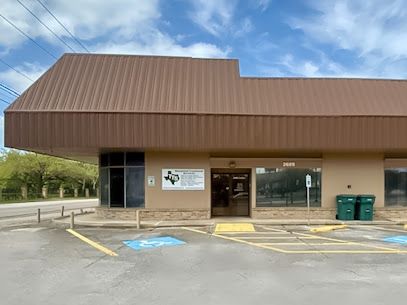
Texas Treatment Services LLC
Wichita Falls, TX
- Outpatient
- MAT
Substance use treatment · All Clients in Opioid Treatment Program · SAMHSA-certified Opioid Treatment Program
Accepts: Cash or self-payment
Helen Farabee Centers Substance Abuse Center
Bowie, TX
- Outpatient
Substance use treatment · Accepts clients on opioid medication but prescribed elsewhere · Cognitive behavioral therapy
Accepts: Cash or self-payment, Medicaid, Medicare
Helen Farabee Centers Young County Behavioral Health Center
Graham, TX
- Outpatient
Substance use treatment · Does not use medication for opioid addiction · Cognitive behavioral therapy
Accepts: Cash or self-payment, Medicaid, State-financed health insurance plan other than Medicaid
Helen Farabee Centers Wise County SA Center
Decatur, TX
- IOP
Substance use treatment · Accepts clients on opioid medication but prescribed elsewhere · Cognitive behavioral therapy
Accepts: Cash or self-payment, Medicaid, Medicare

STAR Council
Decatur, TX
- Outpatient
Substance use treatment · Accepts clients on opioid medication but prescribed elsewhere · Cognitive behavioral therapy
Accepts: Cash or self-payment, Medicaid, State-financed health insurance plan other than Medicaid