

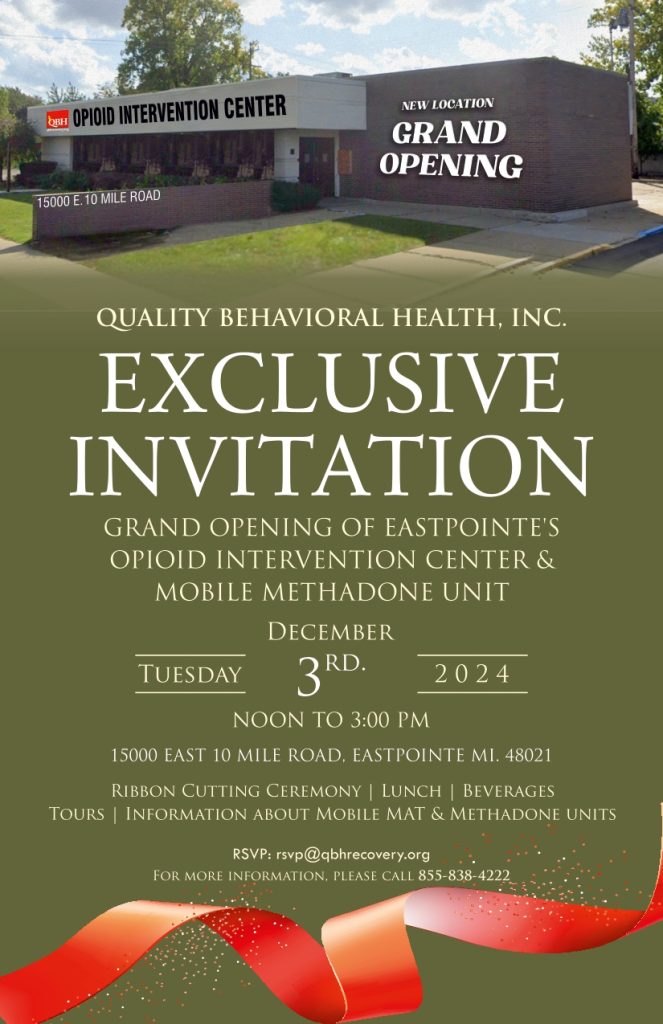
 1 / 3
1 / 3At a Glance
Location
37490 Dequindre Street, Sterling Heights, MI 48310
Phone
586-480-1438Website
http://www.qbhrecovery.orgPrimary Focus
Treatment Settings
Treatment Approaches
Special Programs
About Quality Behavioral Health
Quality Behavioral Health (QBH) in Detroit, MI offers residential treatment and outpatient programs for adults navigating substance use disorders and co-occurring conditions. Accredited by both CARF and the Joint Commission, QBH serves a wide range of populations — including veterans, pregnant women, and seniors — across the greater Detroit area with 24/7 intake availability.
Quality Behavioral Health (QBH) is a CARF- and Joint Commission-accredited addiction treatment and recovery center located at 751 East Grand Boulevard in Detroit, Michigan. Operating under the mission of "Saving Lives, Creating Futures," QBH provides a supportive environment designed to remove the stressors of daily life while residents and outpatient clients focus on building lasting recovery. The center serves communities throughout Wayne County and beyond, including Troy, Canton, Inkster, Sterling Heights, and Eastpointe.
QBH offers two primary levels of care: residential treatment and an outpatient program. Residential treatment provides structured, around-the-clock support for individuals who need immersive care, while the outpatient program gives clients the flexibility to maintain aspects of daily life while engaging in ongoing substance abuse treatment. Both tracks are designed to serve people at different stages of the recovery continuum, from initial stabilization through sustained sobriety.
The center's clinical approach combines Cognitive Behavioral Therapy (CBT) and Medication Assisted Treatment (MAT) to address substance use disorders alongside co-occurring conditions such as trauma, PTSD, and dual diagnosis. Aftercare is a defined part of the QBH model — clients leave with structured aftercare plans that connect them to medical care, social support groups, and community resources. Peer recovery services, relapse prevention programming, and case management services extend the recovery community well beyond discharge. A notable facility feature is QBH's Mobile Methadone Units, which expand access to MAT for clients who face barriers to in-person services.
QBH serves a broad and deliberate range of populations, including veterans, pregnant women, seniors, men, women, individuals with HIV/AIDS, those who are deaf or hard of hearing, and court-ordered participants. Payment options include Medicaid, Medicare, self-pay, sliding scale fees, financial assistance, and state insurance, making the center accessible across income levels. With 24/7 central intake and seven-day availability, QBH functions as a long-term recovery partner — not just an entry point — for Detroit-area individuals and families ready to begin or continue the work of lasting change.
Residential Treatment & Outpatient Programs in Detroit
Quality Behavioral Health offers two distinct levels of care to meet people where they are in their recovery journey. Residential treatment at QBH provides a full-immersion environment where clients can step away from the pressures of daily life and engage deeply in their substance abuse treatment. This level of care is suited for individuals managing substance use disorders alongside co-occurring conditions like trauma, PTSD, or dual diagnosis who benefit from consistent, around-the-clock support.
The outpatient program extends QBH's addiction treatment model to those who are transitioning out of residential care or who need structured programming while maintaining their home and work responsibilities. Together, these two tracks create a continuum of care that supports people through multiple phases of recovery — not just the beginning. QBH's service area spans Detroit and surrounding communities including Troy, Canton, Inkster, Sterling Heights, and Eastpointe, giving southeast Michigan residents a local resource for serious, long-term recovery support.
Aftercare, Peer Recovery & Community Support at QBH
Recovery does not end at discharge, and QBH builds that reality into its treatment model from day one. Every client leaves with a structured aftercare plan that ties together ongoing medical care, social support groups, and connections to broader community resources. Case management services help bridge the gap between treatment and independent living, reducing the risk of falling through the cracks during the critical post-treatment period.
Relapse prevention programming and peer recovery services form the backbone of QBH's continuing care infrastructure. These elements reflect a community-oriented philosophy: the recovery community a person builds during treatment should be one they can continue leaning on afterward. For individuals navigating the ongoing challenges of substance use disorders and co-occurring conditions, this kind of structured aftercare support is often the difference between short-term progress and lasting change.
Who QBH Serves: Specialized Populations & Inclusive Access
Quality Behavioral Health is designed to serve populations that are often underserved by mainstream addiction treatment programs. Veterans, pregnant women, seniors, individuals living with HIV/AIDS, and people who are deaf or hard of hearing all have dedicated consideration within QBH's programming. Court-ordered participants are also accepted, reflecting the center's commitment to meeting people at all points of entry into the recovery system.
Financial access is a priority at QBH. The center accepts Medicaid, Medicare, state insurance, and self-pay, and offers both sliding scale fees and financial assistance for those who qualify. With 24/7 central intake available every day of the week, the first step toward residential treatment or an outpatient program is never more than a phone call away. Reach QBH at (855) 838-4222 or by email at [email protected].
Medication Assisted Treatment & Clinical Approach
QBH's clinical framework pairs Cognitive Behavioral Therapy (CBT) with Medication Assisted Treatment (MAT) to address both the behavioral and physiological dimensions of substance use disorders. CBT helps clients identify and reshape the thought patterns that drive addictive behavior, while MAT provides pharmacological support for those whose treatment requires it. Together, these approaches reflect a dual-focus model that treats the whole person rather than a single symptom.
Among QBH's most distinctive features are its Mobile Methadone Units — a service that extends MAT access to individuals who face geographic or logistical barriers to visiting the main facility. This mobile capacity reflects QBH's broader commitment to reducing obstacles to recovery, particularly for populations in Detroit and surrounding Wayne County communities who might otherwise go without consistent care.
Why Choose Quality Behavioral Health
- Mobile Methadone Units that extend MAT access beyond the facility walls — a rare feature among Detroit-area recovery centers
- Dual accreditation from both CARF and the Joint Commission, reflecting a high standard of care for residential and outpatient programs
- Structured aftercare plans built into the treatment model, connecting graduates to medical care, peer recovery services, and community resources
- Specialized population tracks serving veterans, pregnant women, seniors, individuals with HIV/AIDS, and those who are deaf or hard of hearing
- 24/7 central intake with seven-day availability, so access to the admissions process is never limited by time of day
Frequently Asked Questions
What levels of care does Quality Behavioral Health offer?
QBH provides two primary levels of care: residential treatment and an outpatient program. Residential treatment offers immersive, around-the-clock support, while the outpatient program allows clients to engage in structured addiction treatment while living at home. Both levels are designed to serve people at different stages of their recovery.
Does QBH offer aftercare support after completing a program?
Yes. Aftercare is a built-in component of QBH's model. Clients receive structured aftercare plans that connect them to ongoing medical care, social support groups, and community resources. The center also provides relapse prevention programming, peer recovery services, and case management to support long-term sobriety after discharge.
What insurance and payment options does Quality Behavioral Health accept?
QBH accepts Medicaid, Medicare, state insurance, and self-pay. The center also offers sliding scale fees and financial assistance for those who qualify, making addiction treatment accessible across a range of financial situations.
Is Quality Behavioral Health accredited?
Yes. QBH holds dual accreditation from both CARF and the Joint Commission, two of the most recognized accrediting bodies in behavioral health and addiction treatment.
What therapeutic methods are used at QBH?
QBH's clinical approach includes Cognitive Behavioral Therapy (CBT) and Medication Assisted Treatment (MAT). These methods are used to address substance use disorders as well as co-occurring conditions such as trauma, PTSD, and dual diagnosis.
What is a Mobile Methadone Unit and does QBH offer one?
QBH operates Mobile Methadone Units, which bring Medication Assisted Treatment directly to individuals who face barriers to visiting the main facility. This service helps extend access to MAT for people in Detroit and surrounding communities who may have transportation or logistical challenges.
Which populations does Quality Behavioral Health specialize in serving?
QBH serves a wide range of populations, including veterans, pregnant women, seniors, men, women, individuals living with HIV/AIDS, people who are deaf or hard of hearing, and court-ordered participants. This breadth of specialization reflects the center's commitment to inclusive, accessible addiction treatment.
What areas does QBH serve?
Quality Behavioral Health is located in Detroit, Michigan, and serves residents of Detroit and the surrounding communities of Troy, Canton, Inkster, Sterling Heights, and Eastpointe within Wayne County and the greater southeast Michigan area.
How do I get admitted to Quality Behavioral Health?
QBH operates 24/7 central intake, seven days a week, so there is no waiting for a business day to begin the admissions process. You can reach them by phone at (855) 838-4222 or by email at [email protected].
Does QBH treat co-occurring mental health conditions alongside substance use disorders?
Yes. QBH treats co-occurring disorders and dual diagnosis, including trauma and PTSD, alongside substance use disorders. Both residential treatment and outpatient program tracks are equipped to address this intersection of mental health and addiction.
Nearby Treatment Centers
Perspectives Counseling Center
Sterling Heights, MI
- Outpatient
Substance use treatment · Does not treat opioid addiction · Cognitive behavioral therapy
Accepts: Cash or self-payment, Medicare, Private health insurance

Arab American and Chaldean Council
Sterling Heights, MI
- Outpatient
Substance use treatment · Does not use medication for opioid addiction · Substance abuse counseling
Accepts: Medicaid, Medicare, State-financed health insurance plan other than Medicaid
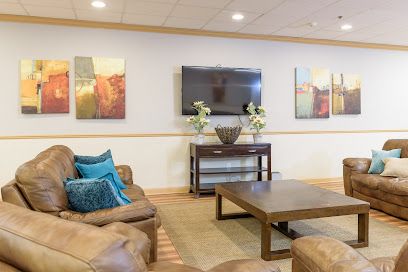
Community Programs Inc Meridian Health Services
Sterling Heights, MI
- Outpatient
- MAT
Substance use treatment · Cognitive behavioral therapy · Substance abuse counseling
Accepts: Cash or self-payment, Medicaid, Medicare
Rivers Bend PC
Troy, MI
- IOP
Substance use treatment · Accepts clients on opioid medication but prescribed elsewhere · Cognitive behavioral therapy
Accepts: Cash or self-payment, Medicare, Private health insurance
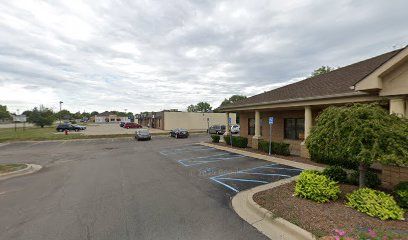
Arab American and Chaldean Council
Troy, MI
- Outpatient
Substance use treatment · Does not use medication for opioid addiction · Cognitive behavioral therapy
Accepts: Medicaid, Medicare, State-financed health insurance plan other than Medicaid

CMS Sterling Heights
Sterling Heights, MI
- Detox
- Outpatient
- MAT
Substance use treatment · All Clients in Opioid Treatment Program · SAMHSA-certified Opioid Treatment Program
Accepts: Cash or self-payment, Medicare, Private health insurance