

At a Glance
Location
8 East 3rd Street, New York, NY 10003
Phone
212-533-8400 x136Primary Focus
Treatment Settings
Treatment Approaches
Special Programs
About Project Renewal Medically Monitored Crisis Services
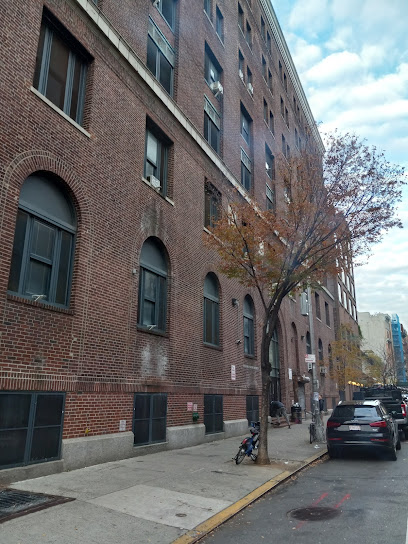
Project Renewal Medically Monitored Crisis Services in New York, NY offers a structured continuum of care — from medical detox through residential treatment and outpatient programming — for men navigating substance use recovery. Located in Manhattan's East Village, the program serves Medicaid, Medicare, and privately insured individuals, with sliding scale and financial assistance options available.
Project Renewal Medically Monitored Crisis Services is a substance use treatment facility situated at 8 East 3rd Street in New York City, serving the Manhattan community and the broader New York, NY area. Part of Project Renewal — a well-known New York organization focused on breaking the cycle of homelessness and addiction — this location delivers care across multiple levels, making it a meaningful option for men who need more than a single point of intervention on the road to lasting recovery. The facility operates Monday through Friday, 8 a.m. to 5 p.m., and can be reached directly at (212) 533-8400.
The center provides three distinct levels of care: medical detox, residential treatment, and an outpatient program. That continuum matters because recovery rarely ends at detox. Men who stabilize medically can step into residential treatment for more immersive, structured support, and then transition into an outpatient program as they rebuild daily life — all within the same organization. This built-in progression reduces the gaps between levels of care that often derail long-term recovery efforts.
Clinically, the program incorporates Cognitive Behavioral Therapy (CBT) as a core therapeutic method, giving participants practical tools to identify and reshape the thought patterns that fuel substance use. The program also addresses Trauma and PTSD alongside addiction — an important distinction, given how frequently unresolved trauma underlies substance dependence. Services are available in both English and Vietnamese, and the facility is equipped to serve individuals who are Deaf or hard of hearing.
Project Renewal Medically Monitored Crisis Services specifically serves men, allowing the program to focus its residential and outpatient resources on the particular recovery challenges that population faces. Payment access is broad: Medicaid, Medicare, private insurance, state insurance, self-pay, sliding scale fees, and financial assistance are all accepted — removing common financial barriers for New Yorkers seeking addiction treatment, residential care, or a longer-term outpatient program.
A Recovery Continuum Built for Men in New York City
Project Renewal Medically Monitored Crisis Services offers something that standalone detox centers and single-level outpatient programs cannot: a connected pathway from medical detox through residential treatment and into an outpatient program, all under one organizational roof. For men in New York City who are serious about long-term recovery — not just getting through the first 72 hours — that continuity of care is a meaningful structural advantage.
Located on East 3rd Street in Manhattan, the facility draws from a service area centered on New York, NY, making it accessible to residents across the borough. The Monday-through-Friday schedule and multiple program levels mean that men can move through treatment at a clinically appropriate pace rather than being discharged prematurely because their level of care no longer exists at the same location.
Treating Trauma Alongside Substance Use
Among the conditions addressed at Project Renewal Medically Monitored Crisis Services is Trauma and PTSD — a recognition that addiction and trauma are frequently intertwined. Treating substance use without acknowledging underlying trauma often leaves individuals more vulnerable to relapse once they return to everyday life. By incorporating trauma treatment into the program's scope, the facility positions itself as a recovery center concerned with the full picture of a person's wellbeing, not only the acute symptoms of substance dependence.
Cognitive Behavioral Therapy (CBT) serves as the confirmed therapeutic backbone of the program. CBT is a structured, skills-focused approach that helps participants understand the connections between their thoughts, emotions, and behaviors — and develop practical strategies for maintaining sobriety when those patterns are triggered. For men working through both addiction and trauma, CBT offers a framework that addresses both simultaneously.
Payment Options and Accessibility at Project Renewal
One of the consistent barriers to addiction treatment in New York City is cost. Project Renewal Medically Monitored Crisis Services accepts a wide range of payment options — including Medicaid, Medicare, private insurance, state insurance, self-pay, sliding scale fees, and financial assistance — making it one of the more accessible substance abuse treatment options in Manhattan for individuals across economic circumstances.
The facility also serves individuals who are Deaf or hard of hearing and provides services in Vietnamese in addition to English. These accessibility features reflect a program designed to serve a diverse urban population rather than a narrow demographic slice. To discuss payment options or program availability, contact the facility directly at (212) 533-8400.
From Detox to Outpatient: Understanding the Levels of Care
Medical detox at Project Renewal provides medically monitored support during the initial withdrawal phase — the starting point for men who need clinical oversight before they can engage meaningfully in longer-term recovery work. From there, residential treatment offers a more immersive environment where participants live on-site and focus fully on their recovery without the distractions and triggers of daily life outside.
The outpatient program completes the continuum, allowing men to continue structured addiction treatment while beginning to reintegrate into their communities, employment, and family relationships. This step-down model is aligned with how sustained recovery actually works: gradually reintroducing real-world stressors while maintaining clinical support. For those planning a long-term recovery strategy rather than a quick crisis resolution, this kind of structured progression is worth considering seriously.
Why Choose Project Renewal Medically Monitored Crisis Services
- Full care continuum — medical detox, residential treatment, and outpatient program — within a single organization, reducing handoff gaps during recovery
- Explicitly serves men and individuals who are Deaf or hard of hearing, with services available in Vietnamese as well as English
- Trauma and PTSD treatment integrated alongside substance use care — not treated as a separate afterthought
- CBT-grounded clinical programming that equips residents with concrete relapse-prevention skills for life after treatment
- Robust payment access including Medicaid, Medicare, sliding scale, financial assistance, and state insurance — serving New Yorkers across income levels
Frequently Asked Questions
What levels of care does Project Renewal Medically Monitored Crisis Services offer?
The facility offers three levels of care: medical detox, residential treatment, and an outpatient program. This continuum allows men to progress through treatment in a clinically structured way, from medically monitored withdrawal through longer-term residential and outpatient recovery support — all within the same organization.
Who does this program serve?
Project Renewal Medically Monitored Crisis Services specifically serves men. The program is also equipped to serve individuals who are Deaf or hard of hearing, and provides services in both English and Vietnamese.
Does the program address trauma in addition to substance use?
Yes. Trauma and PTSD are among the conditions treated at this facility. This is significant for individuals whose substance use is connected to unresolved trauma, as the program addresses both concerns rather than focusing solely on addiction.
What therapeutic approaches does the program use?
Cognitive Behavioral Therapy (CBT) is a confirmed therapeutic method used at the facility. CBT helps participants recognize and shift thought patterns that contribute to substance use, providing practical tools that support long-term sobriety beyond the treatment setting.
What payment options are accepted?
The facility accepts Medicaid, Medicare, private insurance, state insurance, self-pay and cash, sliding scale fees, and financial assistance. This broad range of payment options makes the program accessible to men across a wide range of financial situations in New York City.
Where is the facility located and how can I contact them?
Project Renewal Medically Monitored Crisis Services is located at 8 East 3rd Street, 2nd, 3rd, and 4th Floors, New York, NY 10003. The facility can be reached by phone at (212) 533-8400. Office hours are Monday through Friday, 8:00 a.m. to 5:00 p.m.
Is this program right for someone who needs medical detox before entering residential treatment?
Yes. The facility offers medical detox as the first level of care, followed by residential treatment and then an outpatient program. Men who require medically monitored support during withdrawal can begin there and transition directly into the next phase of their recovery without having to locate a separate residential or outpatient provider.
Does Project Renewal accept Medicaid for addiction treatment?
Yes, Medicaid is one of the accepted payment methods at Project Renewal Medically Monitored Crisis Services. Medicare, state insurance, private insurance, self-pay, sliding scale fees, and financial assistance are also accepted.
What makes this facility different from a standalone detox center?
Unlike standalone detox centers that discharge patients after withdrawal stabilization, Project Renewal Medically Monitored Crisis Services offers a full care continuum — medical detox, residential treatment, and outpatient programming — within the same organization. That means a man who enters for detox can continue into residential and outpatient care without navigating a separate admissions process at a different facility.
Nearby Treatment Centers
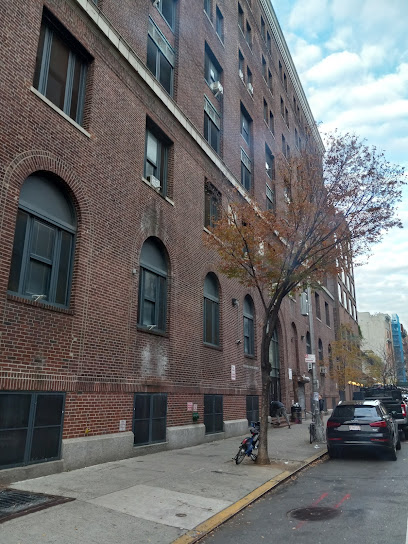
Project Renewal Medically Supervised Outpatient Detox
New York, NY
- Detox
- Residential
- Outpatient
- MAT
Substance use treatment · Substance abuse counseling · Trauma-related counseling
Accepts: Medicaid, State-financed health insurance plan other than Medicaid, Private health insurance
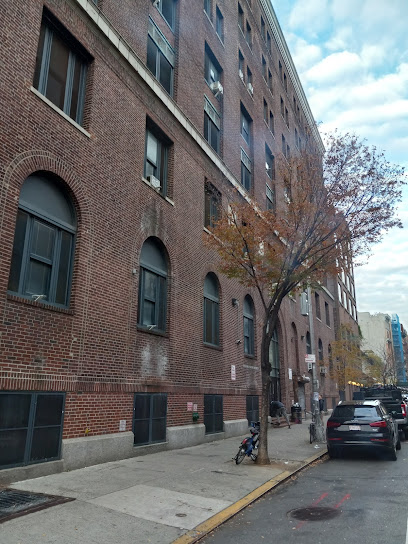
Project Renewal The Recovery Center
New York, NY
- IOP
- MAT
Substance use treatment · Cognitive behavioral therapy · Substance abuse counseling
Accepts: Medicaid, State-financed health insurance plan other than Medicaid, Payment assistance

Odyssey House Inc Leadership Center
New York, NY
- Residential
- MAT
Substance use treatment · Accepts clients on opioid medication but prescribed elsewhere · Cognitive behavioral therapy
Accepts: Cash or self-payment, Medicaid, State-financed health insurance plan other than Medicaid
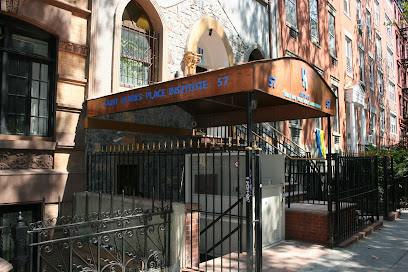
Saint Marks Place Institute for MH Inc
New York, NY
- Detox
- Outpatient
- MAT
Substance use treatment · Cognitive behavioral therapy · Dialectical behavior therapy
Accepts: Cash or self-payment, Medicaid, Medicare

Greenwich House Inc Greenwich House East OTP
New York, NY
- Outpatient
- MAT
Substance use treatment · All Clients in Opioid Treatment Program · SAMHSA-certified Opioid Treatment Program
Accepts: Cash or self-payment, Medicaid, Medicare
MMTP Avenue A Clinic OTP 1
New York, NY
- Outpatient
- MAT
Substance use treatment · All Clients in Opioid Treatment Program · SAMHSA-certified Opioid Treatment Program
Accepts: Cash or self-payment, Medicaid, Medicare