

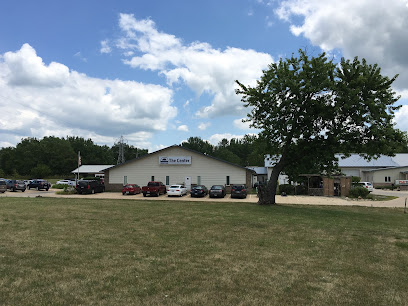
At a Glance
Location
1921 North Market Street, Monticello, IL 61856
Phone
217-762-5371Website
http://www.piattmhc.org/Primary Focus
Treatment Settings
Treatment Approaches
About Piatt County Mental Health Center
Piatt County Mental Health Center, serving the recovery community since 1970, provides outpatient addiction treatment and dual diagnosis care in Monticello, Illinois. This CARF-accredited recovery center specializes in co-occurring disorders with sliding-scale pricing to support diverse recovery journeys.
Piatt County Mental Health Center anchors the recovery community in Monticello, Illinois, offering specialized outpatient treatment for substance abuse and dual diagnosis conditions. Operating since 1970, this CARF-accredited recovery center serves Piatt County and surrounding communities with comprehensive mental health and substance abuse treatment services. The center's substance use program provides immediate assessment and treatment, creating accessible entry points for individuals at various stages of their recovery journey.
The recovery center delivers outpatient program services specifically designed for individuals managing co-occurring disorders and dual diagnosis conditions. Located at 1921 North Market Street, the facility operates Monday through Friday with extended hours on Tuesday and Thursday evenings to accommodate working individuals and families. This scheduling flexibility recognizes that sustainable recovery requires treatment that fits into ongoing life responsibilities rather than requiring complete life disruption.
Clinical Director Jaime Porter, LCSW, leads treatment teams that utilize Cognitive Behavioral Therapy (CBT) as a core therapeutic method. Executive Director Tony Kirkman, LCPC, oversees program development that addresses the complex interplay between mental health and substance use disorders. The center's approach recognizes that effective addiction treatment must simultaneously address underlying mental health conditions to create lasting recovery outcomes.
The recovery center serves adolescents, young adults, veterans, pregnant women, seniors, and court-ordered individuals, with specialized tracks for trauma/PTSD and HIV/AIDS support populations. Payment options include Medicaid, Medicare, private insurance, and sliding-scale fees based on income and family size, ensuring financial barriers don't prevent access to recovery services. This community-focused accessibility, combined with nearly five decades of local presence, positions the center as a long-term recovery partner rather than a short-term intervention.
Outpatient Program and Dual Diagnosis Treatment
The outpatient program at Piatt County Mental Health Center addresses the complex needs of individuals managing both substance use and mental health conditions. Clinical Director Jaime Porter, LCSW, oversees treatment protocols that recognize co-occurring disorders require integrated care rather than separate treatment tracks. The center's substance use program offers immediate assessment capabilities, allowing individuals to begin their recovery process without extended waiting periods that can derail motivation for change.
Cognitive Behavioral Therapy (CBT) forms the foundation of the center's therapeutic approach, providing clients with practical tools to identify and modify thought patterns that contribute to both substance use and mental health symptoms. This therapeutic method particularly benefits individuals with dual diagnosis conditions, as CBT techniques can address anxiety, depression, trauma responses, and addictive behaviors within a unified framework. The program structure supports ongoing recovery maintenance rather than short-term crisis intervention.
Recovery Community Access and Affordability
Financial accessibility distinguishes this recovery center from many addiction treatment providers in central Illinois. The sliding scale fee structure bases costs on income, family size, and ability to pay, ensuring that financial constraints don't prevent individuals from accessing necessary care. This pricing model, combined with acceptance of Medicaid, Medicare, state insurance, and private insurance plans, creates multiple pathways for individuals to afford ongoing outpatient treatment and aftercare services.
Extended operating hours on Tuesday and Thursday evenings until 6 PM accommodate individuals who cannot attend traditional daytime appointments due to work or family obligations. This scheduling flexibility supports the center's philosophy that sustainable recovery must integrate with existing life responsibilities rather than requiring complete lifestyle disruption. The approach recognizes that maintaining employment, family relationships, and community connections strengthens rather than undermines long-term recovery outcomes.
Specialized Population Services
The recovery center serves diverse populations including adolescents transitioning into recovery, veterans managing service-related trauma and substance use, and pregnant women requiring specialized care coordination. Court-ordered individuals receive the same clinical standards as voluntary clients, with treatment plans designed to address underlying addiction issues rather than simply fulfilling legal requirements. Young adults aged 18-25 benefit from age-appropriate programming that addresses the unique challenges of early recovery during critical life transition periods.
Specialized support extends to individuals managing HIV/AIDS alongside substance use disorders, recognizing the complex medical and psychosocial factors involved in dual health condition management. Trauma and PTSD services integrate with addiction treatment to address root causes of substance use rather than treating symptoms in isolation. This population-specific approach ensures that treatment plans reflect the distinct needs and circumstances of each individual's recovery journey.
CARF Accreditation and Clinical Leadership
CARF accreditation provides independent verification that the center meets rigorous standards for addiction treatment quality, safety, and effectiveness. This accreditation requires ongoing compliance with clinical practices, staff training requirements, and outcome measurement protocols that benefit the recovery community through consistent, reliable care standards. The accreditation process includes regular external reviews ensuring that treatment approaches remain current with best practices in addiction medicine and behavioral health.
Executive Director Tony Kirkman, LCPC, brings licensed clinical expertise to program oversight, while Chief Financial Officer Dustin DeNeal ensures sustainable operations that support long-term community presence. Developmental Services Director Amy Dresback, QIDP, coordinates services that address the broader life skills and developmental needs essential for sustained recovery success. This leadership team structure ensures both clinical excellence and operational stability for individuals building long-term recovery relationships with the center.
Why Choose Piatt County Mental Health Center
- Over 50 years serving the local recovery community with deep roots in Piatt County
- CARF accreditation ensuring quality standards in outpatient addiction treatment
- Specialized dual diagnosis and co-occurring disorders expertise
- Income-based sliding scale pricing making recovery accessible to all economic levels
- Evening hours on Tuesday and Thursday accommodating working individuals and families
Frequently Asked Questions
What types of outpatient addiction treatment does Piatt County Mental Health Center provide?
The center offers outpatient program services specializing in substance abuse treatment and co-occurring disorders. Their substance use program provides immediate assessment and treatment, utilizing Cognitive Behavioral Therapy as a primary therapeutic method. The program specifically addresses dual diagnosis conditions where individuals manage both substance use and mental health disorders simultaneously.
How does the sliding scale fee structure work for addiction treatment?
Fees are scaled based on income, family size, and ability to pay, making treatment accessible regardless of financial circumstances. The center accepts Medicaid, Medicare, private insurance, state insurance, and self-pay arrangements. This approach ensures that financial barriers don't prevent access to ongoing outpatient treatment and recovery support services.
What populations does this recovery center serve in Piatt County?
The center serves adolescents, young adults (18-25), veterans, pregnant women, seniors, and court-ordered individuals. They provide specialized support for trauma/PTSD, HIV/AIDS, and co-occurring disorders populations. Services are available to both men and women throughout Piatt County and surrounding communities.
What are the operating hours for outpatient addiction treatment?
The center operates Monday, Wednesday, and Friday from 8:30 AM to 4:30 PM, with extended evening hours on Tuesday and Thursday until 6 PM. Tuesday hours begin at 8 AM. These extended hours on Tuesday and Thursday accommodate individuals who need treatment scheduling around work and family commitments.
What accreditation does Piatt County Mental Health Center hold for addiction treatment?
The center maintains CARF accreditation, which provides independent verification of quality standards in addiction treatment services. This accreditation requires compliance with clinical practices and regular external reviews to ensure treatment approaches meet current best practices in behavioral health and addiction medicine.
Who leads the clinical team for substance abuse treatment?
Clinical Director Jaime Porter, LCSW, oversees the treatment programs, while Executive Director Tony Kirkman, LCPC, provides program oversight. Developmental Services Director Amy Dresback, QIDP, coordinates broader life skills services essential for recovery. This licensed clinical leadership ensures both therapeutic excellence and comprehensive recovery support.
How long has this recovery center been serving the community?
Piatt County Mental Health Center has been operating since 1970, providing over 50 years of continuous service to the local recovery community. This long-term community presence demonstrates stability and ongoing commitment to supporting individuals throughout their recovery journeys in Piatt County and surrounding areas.
What therapeutic approaches does the center use for dual diagnosis treatment?
The primary therapeutic method is Cognitive Behavioral Therapy (CBT), which addresses both substance use patterns and co-occurring mental health symptoms within an integrated framework. This approach provides practical tools for identifying and modifying thought patterns that contribute to both addiction and mental health conditions like anxiety, depression, and trauma responses.
Nearby Treatment Centers
Carle Addiction Recovery Center
Champaign, IL
- Detox
- IOP
- MAT
Substance use treatment · Cognitive behavioral therapy · Dialectical behavior therapy
Accepts: Cash or self-payment, Private health insurance, Military insurance
Champaign Treatment Center LLC
Champaign, IL
- Detox
- Outpatient
- MAT
Substance use treatment · All Clients in Opioid Treatment Program · SAMHSA-certified Opioid Treatment Program
Accepts: Cash or self-payment
Accent Counseling Inc
Champaign, IL
- Outpatient
Substance use treatment · Does not treat opioid addiction · Cognitive behavioral therapy
Accepts: Cash or self-payment
Rosecrance Inc Fox Drive
Champaign, IL
- IOP
Substance use treatment · Accepts clients on opioid medication but prescribed elsewhere · Cognitive behavioral therapy
Accepts: Cash or self-payment, Medicaid, State-financed health insurance plan other than Medicaid
Rosecrance Inc Moreland
Champaign, IL
- Residential
- Outpatient
- MAT
- Sober Living
Substance use treatment · Cognitive behavioral therapy · Dialectical behavior therapy
Accepts: Cash or self-payment, Medicaid, Private health insurance
Rosecrance Inc North Walnut
Champaign, IL
- IOP
Substance use treatment · Accepts clients on opioid medication but prescribed elsewhere · Cognitive behavioral therapy
Accepts: Cash or self-payment, Medicaid, State-financed health insurance plan other than Medicaid