


At a Glance
Location
2501 North 3rd Street, Harrisburg, PA 17110
Phone
717-782-6844Primary Focus
Treatment Settings
Treatment Approaches
Special Programs
About Pennsylvania Psychiatric Institute Advancement in Recovery Program
Pennsylvania Psychiatric Institute (PPI), a Penn State Health enterprise in Harrisburg, PA, offers outpatient and intensive outpatient addiction treatment alongside a full spectrum of behavioral health care for individuals across Central Pennsylvania. With a certified Opioid Treatment Program and dual diagnosis capabilities, PPI connects people in recovery with structured, ongoing care designed for the long arc of sobriety.
Pennsylvania Psychiatric Institute (PPI) is a hospital-based behavioral health and addiction treatment center located at 2501 North 3rd Street in Harrisburg, Pennsylvania. Operating as part of the Penn State Health system, PPI serves individuals and families throughout Central Pennsylvania who are seeking more than a short-term fix — the facility is built around sustained recovery and comprehensive mental health care under one clinical roof.
PPI's addiction treatment services are structured around outpatient and intensive outpatient (IOP) levels of care, giving individuals in recovery the flexibility to build sober lives outside of a residential setting while still engaging in regular, structured treatment. The facility holds an Opioid Treatment Program (OTP) certification and operates its Advancement in Recovery (AIR) Program, which provides Medication Assisted Treatment for individuals working through opioid use disorder. These outpatient pathways are available seven days a week, around the clock, making ongoing recovery support accessible without the barriers of rigid scheduling.
Clinical care at PPI draws on Cognitive Behavioral Therapy (CBT) and Dialectical Behavior Therapy (DBT), two approaches widely used in sustained addiction recovery and dual diagnosis treatment. The facility addresses co-occurring disorders, including depression, anxiety, mood disorders, bipolar disorder, trauma and PTSD — conditions that frequently intersect with addiction and that, if left untreated, can undermine long-term sobriety. Spiritual care services are also available on-site, and translation services support those for whom language access might otherwise be a barrier to care.
PPI serves a notably broad population: adults, adolescents, children, mature adults 55 and older, pregnant women, and individuals who are deaf or hard of hearing. Payment options include Medicaid, Medicare, TRICARE, private insurance, state insurance, and self-pay, reflecting a commitment to accessible addiction treatment across income levels. For people in Central Pennsylvania evaluating a long-term recovery partner that can address both substance abuse and underlying mental health conditions, PPI's hospital-program infrastructure and dual diagnosis depth set it apart from standalone rehab centers.
Outpatient & IOP Addiction Treatment in Harrisburg, PA
Pennsylvania Psychiatric Institute offers two primary levels of addiction treatment: a standard Outpatient Program and an Intensive Outpatient Program (IOP). Both are designed for individuals who are past the acute phase of crisis and are building the routines, skills, and support systems that define long-term recovery. Outpatient and IOP formats allow people to remain in their communities — at home, in sober living, or near family — while still receiving consistent, structured substance abuse treatment.
For those navigating opioid use disorder, PPI's Advancement in Recovery (AIR) Program provides a Medication Assisted Treatment pathway within the outpatient setting. The OTP certification backing the AIR Program signals a level of clinical accountability that distinguishes PPI from general outpatient counseling practices. The facility's 24/7 operating schedule across all seven days of the week means that access to care doesn't have to wait for a Monday morning appointment.
Dual Diagnosis Care: When Mental Health and Addiction Overlap
Recovery rarely involves addiction alone. PPI's treatment model is built to address co-occurring disorders — the depression, anxiety, PTSD, mood disorders, and bipolar disorder that often appear alongside substance use and can derail progress if not treated in parallel. As a hospital-based behavioral health enterprise, PPI has the clinical infrastructure to treat the full picture rather than referring patients elsewhere for psychiatric support.
This integrated approach to dual diagnosis care matters for anyone who has cycled through treatment programs that addressed substance use without touching the underlying mental health conditions. Cognitive Behavioral Therapy (CBT) and Dialectical Behavior Therapy (DBT) are both used clinically at PPI — approaches recognized for their effectiveness in treating both addiction and the co-occurring conditions that complicate recovery. For Sober Nation's audience of people planning long-term recovery, this depth of co-occurring disorder treatment is a meaningful differentiator.
Who PPI Serves Across Central Pennsylvania
PPI's recovery community spans age groups and life circumstances in a way that few outpatient programs can match. The facility serves children, adolescents, adults, and mature adults 55 and older, as well as pregnant women seeking addiction treatment and individuals who are deaf or hard of hearing. Translation services are available on-site, broadening access for those who may face language barriers in the Harrisburg area.
Payment access is equally broad. PPI accepts Medicaid, Medicare, TRICARE, private insurance, state insurance, and self-pay, meaning that financial situation is rarely a reason to delay starting or continuing treatment. For families in Central Pennsylvania supporting a loved one through recovery, the combination of diverse population services and flexible payment options makes PPI a practical as well as clinical choice.
Spiritual Care and Whole-Person Support in Recovery
Alongside its clinical programming, PPI offers on-site spiritual care services — a resource that matters to many people in long-term recovery, where meaning, purpose, and community often play as large a role as clinical therapy. Spiritual care is not a substitute for treatment; at PPI, it functions as a complement to the behavioral health and addiction services provided through the outpatient and IOP programs.
For individuals whose recovery is shaped by faith, values, or a search for meaning beyond sobriety itself, having spiritual care available within the same hospital-based setting — without having to seek it out separately — reflects an understanding that recovery is about rebuilding a whole life, not just stopping substance use. Combined with CBT, DBT, and dual diagnosis treatment, this makes PPI's outpatient program a multi-dimensional recovery resource for Central Pennsylvania.
Why Choose Pennsylvania Psychiatric Institute Advancement in Recovery Program
- Penn State Health hospital program — clinical depth beyond a standalone rehab or sober living facility
- Certified Opioid Treatment Program (OTP) with the AIR Program offering Medication Assisted Treatment
- Dual diagnosis treatment that addresses addiction alongside depression, PTSD, bipolar disorder, anxiety, and more
- Serves a wide recovery community: adolescents through mature adults, pregnant women, and individuals who are deaf or hard of hearing
- Seven-day-a-week availability with multiple payment pathways including Medicaid, Medicare, and TRICARE
Frequently Asked Questions
What levels of addiction treatment does Pennsylvania Psychiatric Institute offer?
PPI offers an Outpatient Program and an Intensive Outpatient Program (IOP) for addiction treatment. Both levels of care allow individuals to participate in structured substance abuse treatment while living in the community, making them well-suited for people in ongoing recovery rather than acute crisis. The facility operates seven days a week, 24 hours a day.
Does PPI have a certified Opioid Treatment Program?
Yes. Pennsylvania Psychiatric Institute holds an Opioid Treatment Program (OTP) certification and operates the Advancement in Recovery (AIR) Program, which provides Medication Assisted Treatment for individuals working through opioid use disorder. This program is part of PPI's broader outpatient addiction treatment services in Harrisburg.
Does PPI treat co-occurring mental health and substance use disorders?
Yes, dual diagnosis and co-occurring disorder treatment is a core part of PPI's clinical model. The facility treats conditions including depression, anxiety, PTSD, bipolar disorder, and mood disorders alongside addiction, using Cognitive Behavioral Therapy (CBT) and Dialectical Behavior Therapy (DBT). Addressing both mental health and substance use together is especially important for people pursuing long-term recovery.
What populations does Pennsylvania Psychiatric Institute serve?
PPI serves a wide range of individuals, including children, adolescents, adults, mature adults 55 and older, pregnant women, and people who are deaf or hard of hearing. The facility is located in Harrisburg, PA and serves the broader Central Pennsylvania region. Translation services are available on-site for those with language access needs.
What payment options does PPI accept for addiction treatment?
Pennsylvania Psychiatric Institute accepts Medicaid, Medicare, TRICARE, private insurance, state insurance, and self-pay. This range of payment options is designed to make addiction treatment and behavioral health care accessible to individuals across different financial situations in Central Pennsylvania.
Is PPI affiliated with a larger health system?
Yes. Pennsylvania Psychiatric Institute is a Penn State Health enterprise, which means it operates within a major academic health system. This affiliation supports a hospital-program level of clinical infrastructure for behavioral health and addiction treatment services.
What therapeutic approaches are used in PPI's addiction treatment programs?
PPI's clinical programs draw on Cognitive Behavioral Therapy (CBT) and Dialectical Behavior Therapy (DBT). Both are widely used in addiction recovery and dual diagnosis treatment. Spiritual care services are also available on-site as a complement to clinical therapy.
Is PPI's addiction treatment available on weekends?
Yes. Pennsylvania Psychiatric Institute operates seven days a week, including weekends, with 24-hour availability. This schedule supports people in recovery who need consistent access to outpatient and IOP services without gaps between weekdays.
Does PPI offer addiction treatment for adolescents?
Yes. PPI's confirmed populations served include adolescents, in addition to children, adults, and mature adults. The facility's behavioral health and addiction treatment programs in Harrisburg are structured to serve individuals across a broad age range.
Where is Pennsylvania Psychiatric Institute located and what area does it serve?
PPI is located at 2501 North 3rd Street in Harrisburg, Pennsylvania 17110. The facility serves individuals throughout Central Pennsylvania and the broader Harrisburg area seeking outpatient addiction treatment, IOP, and behavioral health care.
Nearby Treatment Centers

Genesis House Inc Harrisburg
Harrisburg, PA
- IOP
Substance use treatment · Accepts clients on opioid medication but prescribed elsewhere · Cognitive behavioral therapy
Accepts: Cash or self-payment, Medicaid, State-financed health insurance plan other than Medicaid
Gaudenzia Inc Harrisburg Outpatient Services
Harrisburg, PA
- IOP
Substance use treatment · Accepts clients on opioid medication but prescribed elsewhere · Cognitive behavioral therapy
Accepts: Cash or self-payment, Medicaid, State-financed health insurance plan other than Medicaid
Mazzitti and Sullivan Csl Services Inc
Harrisburg, PA
- PHP
- IOP
Substance use treatment · Accepts clients on opioid medication but prescribed elsewhere · Cognitive behavioral therapy
Accepts: Cash or self-payment, Medicaid, State-financed health insurance plan other than Medicaid
Gaudenzia Inc Concept 90
Harrisburg, PA
- Residential
- MAT
Substance use treatment · Cognitive behavioral therapy · Substance abuse counseling
Accepts: Cash or self-payment, Medicaid, State-financed health insurance plan other than Medicaid
TW Ponessa and Associates Counseling Services Inc
Harrisburg, PA
- Outpatient
- MAT
Substance use treatment · Accepts clients on opioid medication but prescribed elsewhere · Cognitive behavioral therapy
Accepts: Cash or self-payment, Medicaid, State-financed health insurance plan other than Medicaid
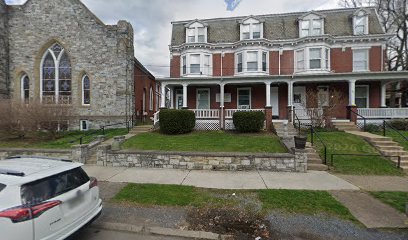
Daystar Center for Spiritual Recovery
Harrisburg, PA
- Residential
- MAT
- Sober Living
Substance use treatment · Accepts clients on opioid medication but prescribed elsewhere · Cognitive behavioral therapy
Accepts: Cash or self-payment, Medicaid, State-financed health insurance plan other than Medicaid