


At a Glance
Location
2301 East Allegheny Avenue, Philadelphia, PA 19134
Phone
215-731-2402Website
http://www.phmc.orgPrimary Focus
Treatment Settings
Treatment Approaches
Special Programs
About Pathways to Recovery PHMC
Pathways to Recovery PHMC is an outpatient clinic in Philadelphia, PA offering Partial Hospitalization Program (PHP) services for adults managing substance use disorder. Operating under the Public Health Management Corporation umbrella, the program includes buprenorphine-certified treatment and extends services to veterans seeking structured outpatient recovery support.
Pathways to Recovery PHMC is an outpatient clinic located at 2301 East Allegheny Avenue in Philadelphia's 19134 zip code, operating under Public Health Management Corporation (PHMC), one of Pennsylvania's largest public health nonprofits. Situated on the second floor of its East Allegheny Avenue address in Philadelphia County, the center serves adults navigating substance use disorder who are looking for structured, ongoing recovery support without inpatient admission. For those researching addiction treatment options in Philadelphia, PHMC's name carries institutional weight in the region's behavioral health landscape.
The program's primary level of care is a Partial Hospitalization Program (PHP), which places it squarely in the middle tier of the addiction treatment continuum — more intensive than standard outpatient but not requiring overnight residential placement. PHP is often the right fit for people stepping down from inpatient care or stepping up from traditional outpatient when they need more structure during the day while still returning home in the evenings. This level of intensity makes Pathways to Recovery PHMC a realistic option for people in early recovery who require consistent clinical support as part of a longer-term treatment plan.
Pathways to Recovery PHMC holds a buprenorphine certification, meaning clinicians at the facility are authorized to prescribe buprenorphine as part of substance use disorder treatment. This certification is a meaningful differentiator in a city where access to medication-assisted treatment remains a critical component of recovery for many individuals. Services are available in both English and Spanish, which broadens accessibility for Philadelphia's diverse communities.
The center explicitly serves veterans, recognizing that this population often faces distinct challenges in finding substance abuse treatment programs equipped to address their specific needs. For veterans in the Philadelphia area — and family members helping a veteran find the right recovery center — Pathways to Recovery PHMC represents a PHP-level option backed by an established public health organization. Anyone interested in learning more can reach the center directly at (267) 395-4484.
Partial Hospitalization for Substance Use Disorder in Philadelphia
For people in recovery who need more than weekly check-ins but are not in a residential treatment setting, a Partial Hospitalization Program occupies a critical space on the care continuum. Pathways to Recovery PHMC offers PHP-level substance abuse treatment in Philadelphia, PA — a structured outpatient option designed for individuals managing substance use disorder who benefit from intensive daily programming while living in their own community.
PHP can serve as a step-down from inpatient or residential treatment, helping people consolidate gains made in higher levels of care before moving into less intensive outpatient programs. It can also serve as a first point of structured clinical contact for those who do not require overnight placement. Either way, the program's location on East Allegheny Avenue in Philadelphia County puts it within reach of residents across the city.
Buprenorphine-Certified Treatment at Pathways to Recovery PHMC
One of the distinguishing features of Pathways to Recovery PHMC is its buprenorphine certification. This credential authorizes the facility's clinicians to incorporate buprenorphine into substance use disorder treatment — an important option within a comprehensive outpatient recovery program. Access to medication-supported care within a PHP framework means patients can receive integrated treatment rather than managing medications separately from their primary recovery programming.
For individuals and families evaluating addiction treatment options in Philadelphia, the availability of buprenorphine-certified services at the PHP level represents a meaningful combination of clinical intensity and pharmacological support — all within an outpatient structure that allows people to remain connected to their home, family, and community during treatment.
Addiction Treatment for Veterans in Philadelphia
Pathways to Recovery PHMC specifically identifies veterans as a population it serves. For veterans in the Philadelphia area searching for a substance abuse treatment program that acknowledges their background, this explicit commitment matters when choosing a long-term recovery partner. Veterans navigating substance use disorder benefit from programs that recognize their experiences, and the center's veteran focus is a clear differentiator in the Philadelphia outpatient treatment landscape.
Family members helping a veteran evaluate PHP programs in Philadelphia should know that Pathways to Recovery PHMC, under the PHMC umbrella, brings an established organizational infrastructure to the care it provides. To learn more about the program's veteran services or to begin the intake process, contact the center at (267) 395-4484.
Bilingual Recovery Support: English and Spanish Services
Language access is a practical factor in choosing a recovery center, and Pathways to Recovery PHMC provides services in both English and Spanish. For Philadelphia residents whose primary language is Spanish, finding a PHP-level addiction treatment program that communicates fluently in Spanish reduces a significant barrier to engaging fully in the recovery process.
This bilingual capacity reflects the community Pathways to Recovery PHMC sits within — a diverse section of Philadelphia where English-only services would leave a portion of the population underserved. For families and individuals seeking substance use disorder treatment where language is not an obstacle, this is a concrete and practical advantage.
Why Choose Pathways to Recovery PHMC
- Partial Hospitalization Program (PHP) provides structured daytime recovery support without residential admission — ideal for those transitioning along the treatment continuum
- Buprenorphine-certified clinical staff, expanding access to medication-supported recovery within the outpatient setting
- Operated under Public Health Management Corporation, a recognized nonprofit public health organization with deep roots in Philadelphia's behavioral health system
- Explicitly serves veterans, offering a substance use disorder treatment program attentive to this population's recovery needs
- Bilingual services in English and Spanish, increasing accessibility for Philadelphia's diverse recovery community
Frequently Asked Questions
What level of addiction treatment does Pathways to Recovery PHMC offer?
Pathways to Recovery PHMC offers a Partial Hospitalization Program (PHP) for individuals with substance use disorder. PHP is an intensive outpatient level of care that provides structured daily programming without requiring overnight residential stays. It is commonly used as a step-down from inpatient treatment or as an intensive starting point for those who do not need residential placement.
Does Pathways to Recovery PHMC offer buprenorphine treatment?
Yes. Pathways to Recovery PHMC holds a buprenorphine certification, meaning clinicians at the facility are authorized to prescribe buprenorphine as part of substance use disorder treatment. This certification allows medication-supported recovery to be integrated directly into the PHP program rather than managed separately.
Does Pathways to Recovery PHMC serve veterans?
Yes, veterans are an explicitly identified population served by Pathways to Recovery PHMC. Veterans in the Philadelphia area seeking structured outpatient addiction treatment at the PHP level can reach the center directly at (267) 395-4484 to discuss services.
What languages are spoken at Pathways to Recovery PHMC?
Pathways to Recovery PHMC provides services in both English and Spanish. This bilingual capacity supports Philadelphia residents whose primary language is Spanish in accessing PHP-level substance use disorder treatment without a language barrier.
Where is Pathways to Recovery PHMC located?
The center is located at 2301 East Allegheny Avenue, 2nd Floor, Philadelphia, PA 19134, in Philadelphia County. It operates as an outpatient clinic under Public Health Management Corporation (PHMC).
What is a Partial Hospitalization Program and is it right for my recovery?
A Partial Hospitalization Program (PHP) is an intensive level of outpatient care that typically involves structured programming during the day while participants live at home or in a community setting. It occupies a step between residential treatment and standard outpatient care on the addiction treatment continuum. PHP is often well-suited for individuals stepping down from inpatient programs or those who need more support than a traditional outpatient schedule provides.
How is Pathways to Recovery PHMC connected to PHMC?
Pathways to Recovery PHMC operates under Public Health Management Corporation (PHMC), a large nonprofit public health organization based in Pennsylvania. This institutional affiliation means the program operates within an established behavioral health infrastructure in the Philadelphia region.
How can I contact Pathways to Recovery PHMC?
You can reach Pathways to Recovery PHMC by phone at (267) 395-4484. The facility is located at 2301 East Allegheny Avenue, 2nd Floor, Philadelphia, PA 19134. Additional information may be available at phmc.org.
Is Pathways to Recovery PHMC an inpatient or outpatient program?
Pathways to Recovery PHMC is an outpatient clinic. Its primary level of care is a Partial Hospitalization Program (PHP), which is an intensive outpatient service. The facility does not offer residential or inpatient treatment based on available program information.
Nearby Treatment Centers

Beacon Point Recovery Center
Philadelphia, PA
- Detox
- Residential
- MAT
Substance use treatment · Cognitive behavioral therapy · Dialectical behavior therapy
Accepts: Cash or self-payment, State-financed health insurance plan other than Medicaid, Private health insurance

New Journeys in Recovery
Philadelphia, PA
- IOP
Substance use treatment · Accepts clients on opioid medication but prescribed elsewhere · Cognitive behavioral therapy
Accepts: Cash or self-payment, Medicaid, Medicare
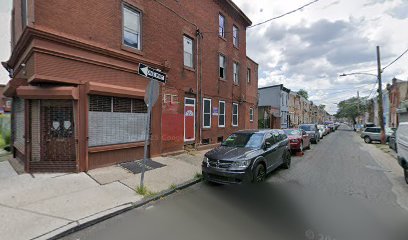
A and O Recovery Services Inc
Philadelphia, PA
- PHP
- Outpatient
Substance use treatment · Accepts clients on opioid medication but prescribed elsewhere · Cognitive behavioral therapy
Accepts: Cash or self-payment, Medicaid, Medicare

GEO Erie Outpatient
Philadelphia, PA
- IOP
Substance use treatment · Accepts clients on opioid medication but prescribed elsewhere · Cognitive behavioral therapy
Accepts: Cash or self-payment, Medicaid
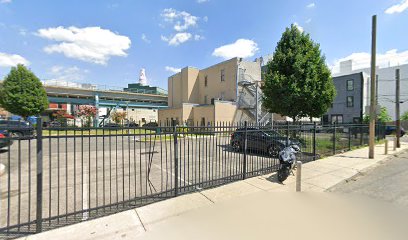
Kensington Hospital Methadone Maintenance Program/OP
Philadelphia, PA
- Outpatient
- MAT
Substance use treatment · All Clients in Opioid Treatment Program · SAMHSA-certified Opioid Treatment Program
Accepts: Cash or self-payment, Medicaid
Casa de Consejeria y Salud Integral House of Counseling
Philadelphia, PA
- IOP
Substance use treatment · Does not use medication for opioid addiction · Cognitive behavioral therapy
Accepts: Cash or self-payment, Medicaid, Medicare