

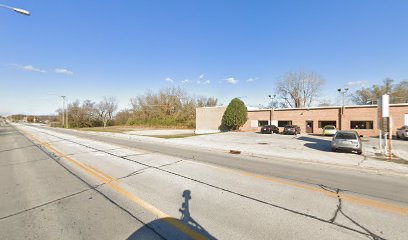
At a Glance
Location
530 State Highway 67, Kiel, WI 53042
Phone
920-894-1374Primary Focus
Treatment Settings
Treatment Approaches
About Pathways To A Better Life LLC
Pathways to a Better Life LLC in Kiel, Wisconsin offers a full continuum of substance abuse treatment — from residential detox through sober living — for adults navigating long-term recovery. The center serves a wide range of populations, including veterans, pregnant women, seniors, and court-ordered individuals, and accepts Medicaid, private insurance, and self-pay.
Pathways to a Better Life LLC is a substance use treatment center located at 530 State Highway 67 in Kiel, Wisconsin, within Manitowoc County. The facility provides a broad continuum of care designed to support individuals across multiple stages of recovery — not just the earliest crisis point, but the longer road that follows. For people evaluating where to commit to lasting change, Pathways offers structured options that span from residential detox through community-based sober living.
The center's levels of care reflect a genuine continuum rather than a single-service model. Pathways offers residential detox, residential treatment, day treatment, an intensive outpatient program (IOP), a standard outpatient program, and sober living. That range means a person can step down gradually through levels of care rather than abruptly transitioning from an inpatient setting back into daily life without support — a critical consideration for anyone building a durable recovery.
Cognitive Behavioral Therapy (CBT) anchors the clinical approach at Pathways. The center also addresses co-occurring disorders and dual diagnosis, recognizing that mental health conditions frequently intersect with substance use and require coordinated treatment. Trauma and PTSD are treated alongside addiction, which reflects a clinical understanding that unresolved trauma is often central to the recovery process — not peripheral to it.
Pathways serves a notably broad population: men and women, veterans, pregnant women, seniors and older adults, individuals with HIV/AIDS support needs, and those referred through the court system. That breadth, combined with a full step-down continuum and sober living as an aftercare option, makes Pathways a serious consideration for anyone in Wisconsin seeking a recovery center capable of meeting them at their current stage and accompanying them further. Payment options include Medicaid, private insurance, and self-pay.
A Continuum of Care Built for Long-Term Recovery
Most people don't recover in a single episode of treatment. Pathways to a Better Life structures its programming around that reality, offering residential detox, residential treatment, day treatment, an intensive outpatient program (IOP), a standard outpatient program, and sober living — all within one facility in Kiel, Wisconsin. That continuum allows individuals to move through levels of care as their needs change, rather than facing a hard stop after inpatient treatment.
The inclusion of sober living as a formal aftercare option is particularly significant for the recovery community audience. Rather than completing residential treatment and returning home without a safety net, residents can transition into a structured sober living environment that supports accountability and community during the critical early months of sustained recovery. For families evaluating treatment options, this kind of continuity is often what distinguishes a short-term fix from a genuine long-term investment.
Dual Diagnosis and Trauma Treatment in the Same Program
Pathways to a Better Life treats co-occurring disorders and dual diagnosis as core parts of its clinical model, not as add-on services. For individuals whose substance use is intertwined with a mental health condition, this integrated approach matters — it means trauma and PTSD are addressed in the same treatment environment rather than being deferred to a separate referral after discharge.
Cognitive Behavioral Therapy (CBT) provides the clinical foundation for this work. CBT is a structured, skills-based approach that helps people identify and change thought patterns that contribute to addictive behavior and emotional dysregulation. For those dealing with trauma histories alongside substance use, having a recognized therapeutic method woven into the program — rather than left to aftercare providers — strengthens the continuity of treatment from day one through long-term recovery.
Who Pathways Serves: Specialized Populations in Manitowoc County
Pathways to a Better Life is equipped to serve a wide range of populations, including veterans, pregnant women, seniors and older adults, men, women, individuals with HIV/AIDS support needs, and those referred through the court system. This breadth reflects a commitment to meeting people where they are rather than serving only the most straightforward cases.
For veterans specifically, finding a recovery center that acknowledges the distinct experiences associated with military service — including trauma, PTSD, and the social transitions that accompany discharge — can make a meaningful difference in treatment engagement and outcomes. Pathways' acknowledgment of this population, alongside its trauma treatment capacity, positions the center as a thoughtful option for Wisconsin veterans seeking substance abuse treatment and long-term recovery support.
Payment and Access: Medicaid, Insurance, and Self-Pay Options
Pathways to a Better Life accepts Medicaid, private insurance, and self-pay, which broadens access for individuals across different financial situations. For those using Medicaid — a common payment pathway for people seeking addiction treatment in Wisconsin — the center's acceptance of that coverage removes a significant barrier to entry.
Families and individuals evaluating treatment centers are encouraged to contact Pathways directly at (920) 894-1374 or by email at [email protected] to discuss coverage, program availability, and next steps. Speaking directly with the center is the most reliable way to confirm how specific insurance plans apply to the levels of care being considered.
Why Choose Pathways To A Better Life LLC
- Full step-down continuum from residential detox through sober living — supporting recovery beyond the acute phase
- Treats co-occurring disorders and trauma/PTSD alongside substance use, not as a separate referral
- Serves specialized populations including veterans, pregnant women, seniors, and court-ordered individuals under one roof
- CBT-grounded clinical model with dual diagnosis capability built into the program
- Sober living as a formal aftercare option, creating continuity rather than an abrupt transition out of care
Frequently Asked Questions
What levels of care does Pathways to a Better Life offer for addiction treatment?
Pathways to a Better Life offers a full continuum of substance abuse treatment, including residential detox, residential treatment, day treatment, an intensive outpatient program (IOP), a standard outpatient program, and sober living. This range allows individuals to begin treatment at the level that matches their current needs and step down gradually as they progress in recovery.
Does Pathways to a Better Life offer sober living as part of aftercare?
Yes. Sober living is a formal component of the aftercare support available at Pathways to a Better Life. After completing a higher level of care such as residential treatment or day treatment, individuals can transition into sober living to maintain structure and community support during the early months of sustained recovery.
Does Pathways treat co-occurring mental health conditions alongside substance use?
Yes. Pathways to a Better Life treats co-occurring disorders and dual diagnosis as part of its core programming. The center also addresses trauma and PTSD in conjunction with substance abuse treatment, recognizing that these conditions frequently overlap and require coordinated care within the same treatment environment.
What therapeutic approach does Pathways use in its addiction treatment programs?
Cognitive Behavioral Therapy (CBT) is the confirmed therapeutic method used at Pathways to a Better Life. CBT is a structured, skills-based approach that helps individuals identify and change the thought patterns and behaviors that contribute to substance use and co-occurring conditions.
Who does Pathways to a Better Life serve?
Pathways serves a broad range of populations, including men, women, veterans, pregnant women, seniors and older adults, individuals with HIV/AIDS support needs, and those referred through the court system. This range makes the center a viable option for many different individuals seeking substance abuse treatment in Wisconsin.
What payment options are accepted at Pathways to a Better Life?
Pathways to a Better Life accepts Medicaid, private insurance, and self-pay. For individuals and families who want to confirm how their specific coverage applies to particular levels of care, contacting the center directly at (920) 894-1374 is the recommended next step.
Is Pathways to a Better Life an option for veterans seeking recovery support?
Yes. Veterans are among the specific populations served by Pathways to a Better Life. The center also treats trauma and PTSD alongside substance use, which is clinically relevant for many veterans whose substance use is connected to their service-related experiences.
What is the difference between the outpatient program and the intensive outpatient program (IOP) at Pathways?
Both the standard outpatient program and the intensive outpatient program (IOP) are available at Pathways to a Better Life. IOP typically involves a higher frequency of clinical contact than standard outpatient, making it a common step-down option after residential or day treatment. Contacting Pathways directly will provide the most current information on how each level is structured.
Where is Pathways to a Better Life located?
Pathways to a Better Life is located at 530 State Highway 67 in Kiel, Wisconsin, within Manitowoc County. The center can be reached by phone at (920) 894-1374 or by email at [email protected].
Does Pathways to a Better Life accept court-ordered individuals into its programs?
Yes. Court-ordered individuals are among the populations served at Pathways to a Better Life. The center's continuum of care — from residential treatment through outpatient and sober living — can accommodate individuals at various stages of court-mandated treatment requirements.
Nearby Treatment Centers
Pathways to a Better Life LLC
Kiel, WI
- Detox
- Residential
- PHP
- IOP
Substance use treatment · Accepts clients on opioid medication but prescribed elsewhere · Cognitive behavioral therapy
Accepts: Cash or self-payment, Private health insurance
Nett Work Family Counseling LLC
New Holstein, WI
- Outpatient
Substance use treatment · Accepts clients on opioid medication but prescribed elsewhere · Cognitive behavioral therapy
Accepts: Cash or self-payment, Medicaid, Medicare
Calumet County Department of Health and Human Services
Chilton, WI
- Outpatient
- MAT
Substance use treatment · Accepts clients on opioid medication but prescribed elsewhere · Cognitive behavioral therapy
Accepts: Cash or self-payment, Medicaid, Medicare
Life Point Counseling LLC
Plymouth, WI
- Outpatient
Substance use treatment · Accepts clients on opioid medication but prescribed elsewhere · Cognitive behavioral therapy
Accepts: Cash or self-payment, Medicaid, Medicare
Nett Work Family Counseling LLC
Plymouth, WI
- Outpatient
Substance use treatment · Accepts clients on opioid medication but prescribed elsewhere · Cognitive behavioral therapy
Accepts: Cash or self-payment, Medicaid, Medicare

Nett Work Family Counseling LLC
Sheboygan, WI
- Outpatient
Substance use treatment · Accepts clients on opioid medication but prescribed elsewhere · Cognitive behavioral therapy
Accepts: Cash or self-payment, Medicaid, Medicare