

 1 / 3
1 / 3At a Glance
Location
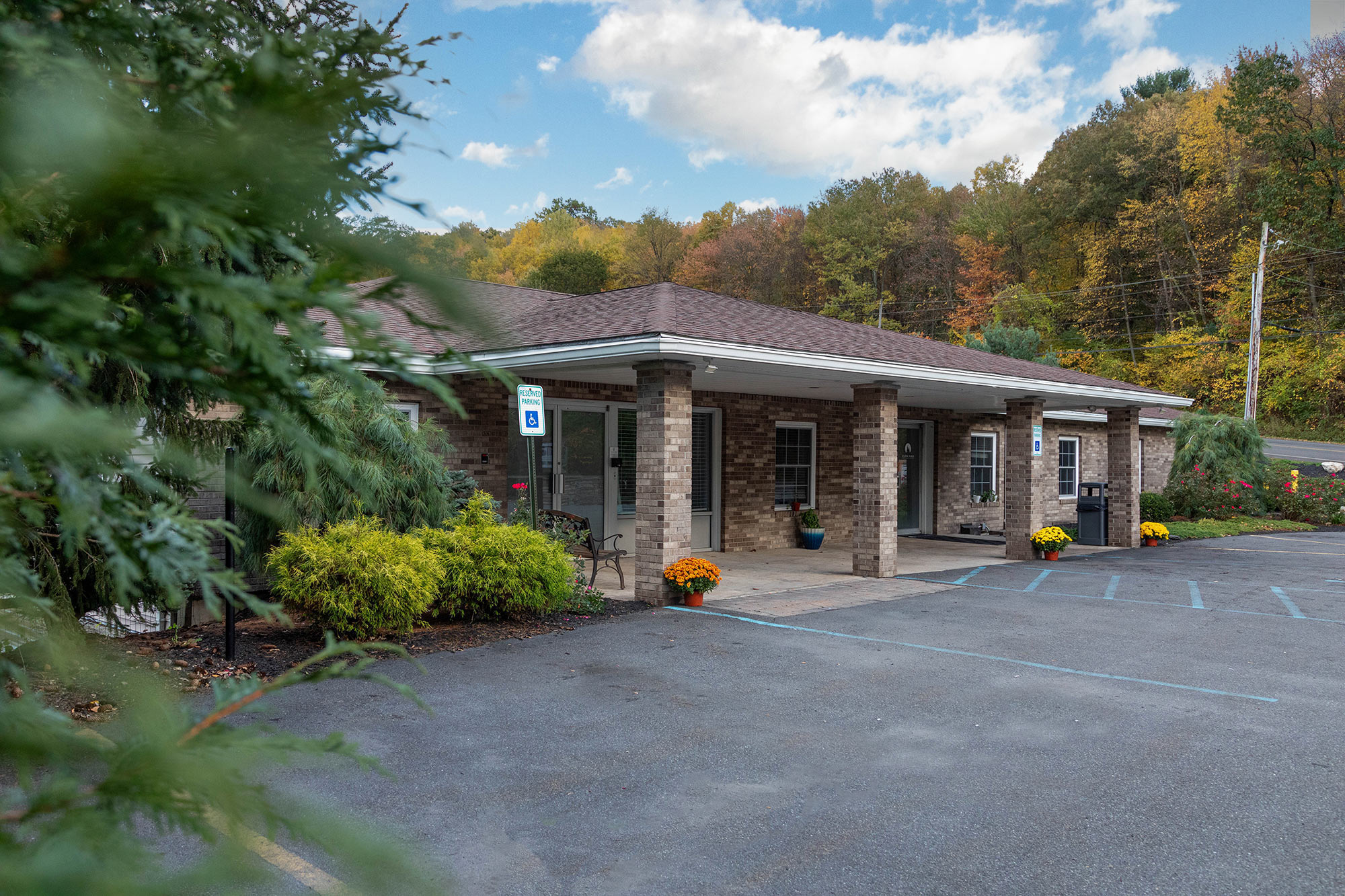
223 West Broad Street, Hazleton, PA 18201
Phone
570-455-9902Primary Focus
Treatment Settings
Treatment Approaches
Special Programs
About Pathway to Recovery Counseling and Educational Services
Pathway to Recovery is an outpatient addiction treatment clinic in Hazleton, PA, serving Greater Hazleton with Outpatient and Intensive Outpatient Programs. The center has a long history in the region — formerly operating as Serento Gardens — and addresses co-occurring disorders, trauma, and mental illness alongside substance abuse treatment. Recovery support groups connect clients to ongoing community after formal treatment ends.
Pathway to Recovery is a community-rooted outpatient clinic located at 223 West Broad Street in Hazleton, Pennsylvania, serving the Greater Hazleton area. Formerly known as Serento Gardens, the center has built a long history of helping people in Luzerne County work through addiction and sustain lasting recovery. For those seeking a recovery center that fits within their daily lives — rather than a residential stay — Pathway to Recovery offers structured outpatient care with deep local ties.
The clinic offers two levels of outpatient care: a standard Outpatient Program and an Intensive Outpatient Program (IOP). The IOP is designed for people who need more support than weekly sessions can provide but do not require residential treatment — a critical middle ground in the recovery continuum. Extended weekday hours through 8:00 PM on Monday through Thursday mean clients can attend after work or school, making it a realistic option for those managing jobs, family, and other obligations alongside their recovery.
Pathway to Recovery uses Cognitive Behavioral Therapy (CBT) and Medication Assisted Therapy as core therapeutic tools. The center also addresses co-occurring disorders and dual diagnosis, treating mental illness and trauma or PTSD alongside substance abuse — a recognition that recovery rarely involves one issue in isolation. Prevention and education services round out the clinical offerings, extending the center's reach beyond active treatment.
The center serves adolescents, women, and individuals who are Deaf or Hard of Hearing, reflecting a deliberate focus on populations that often face barriers to accessing addiction treatment. Payment options include Medicaid, private insurance, self-pay, sliding scale fees, and financial assistance, removing common financial obstacles. Recovery support groups provide aftercare community, giving clients a connection to peer support that continues well past their last scheduled session.
Outpatient & IOP Addiction Treatment in Hazleton, PA
Pathway to Recovery offers two levels of outpatient substance abuse treatment at its Hazleton clinic: a standard Outpatient Program and an Intensive Outpatient Program (IOP). These levels of care are built for people who are ready to engage in structured addiction treatment while maintaining their presence at home, at work, or in school — a model that supports the kind of real-world recovery skills that sustain sobriety over time.
The IOP in particular serves as a cornerstone of the clinic's approach to longer-term recovery. With weekday evening hours extending to 8:00 PM Monday through Thursday, the schedule is designed around the realities of clients' lives rather than requiring them to step away from daily responsibilities. This makes Pathway to Recovery a practical choice for individuals transitioning out of residential treatment or those whose needs exceed what once-weekly sessions can address.
Treating Co-Occurring Disorders and Trauma Alongside Addiction
Pathway to Recovery treats co-occurring disorders and dual diagnosis as a standard part of its outpatient care model, not a specialty add-on. Clients dealing with mental illness or trauma and PTSD alongside substance use disorders can receive integrated treatment that addresses both at the same time — an approach that reflects how these conditions typically present in real recovery situations.
Cognitive Behavioral Therapy (CBT) and Medication Assisted Therapy (MAT) are the primary therapeutic methods used at the clinic. CBT helps clients identify and change the thought patterns that drive addictive behavior, while MAT addresses the physiological dimensions of addiction. Together, these tools provide a structured treatment framework grounded in the realities of recovery rather than a one-size approach.
Who Pathway to Recovery Serves
The center maintains specific programming focus for adolescents, women, and individuals who are Deaf or Hard of Hearing — three populations that frequently encounter gaps in addiction treatment access. By building services with these groups in mind, Pathway to Recovery functions as a more inclusive recovery community resource for Greater Hazleton.
Payment is structured to be as accessible as the programming itself. Pathway to Recovery accepts Medicaid, private insurance, and self-pay, and also offers sliding scale fees and financial assistance for those who need it. For families and individuals weighing the cost of long-term recovery, these options lower the financial barrier to consistent, ongoing outpatient care.
Aftercare and Recovery Support at Pathway to Recovery
Completing a formal outpatient or IOP program is a milestone, not a finish line. Pathway to Recovery offers recovery support groups as part of its aftercare framework, giving clients a peer community to lean on after their scheduled treatment concludes. Ongoing group connection is one of the more consistent predictors of sustained recovery, and having that resource embedded in the same center where treatment occurred reduces the friction of staying connected.
The center also provides prevention and education services, extending its role in the Greater Hazleton community beyond direct clinical care. For families supporting a loved one through recovery, or for individuals still weighing their options, this community-facing work reflects the center's long history as a recovery resource in the region — a history that stretches back to its earlier chapter as Serento Gardens.
Why Choose Pathway to Recovery Counseling and Educational Services
- Long-standing presence in Greater Hazleton — formerly Serento Gardens — with deep roots in the local recovery community
- Intensive Outpatient Program (IOP) fills the gap between weekly outpatient sessions and residential treatment for those building longer-term recovery
- Extended evening hours (until 8:00 PM, Monday–Thursday) make IOP and outpatient programming accessible for working adults and students
- Specialized services for adolescents, women, and Deaf or Hard of Hearing individuals — populations often underserved in addiction treatment
- Dual diagnosis treatment for co-occurring mental illness and trauma/PTSD, plus recovery support groups for ongoing aftercare connection
Frequently Asked Questions
What levels of care does Pathway to Recovery offer?
Pathway to Recovery offers two outpatient levels of care: a standard Outpatient Program and an Intensive Outpatient Program (IOP). Both are delivered at the clinic's Hazleton location on West Broad Street. The IOP provides more frequent, structured support than standard outpatient sessions, making it a strong option for people in earlier recovery or stepping down from a residential program.
Does Pathway to Recovery treat co-occurring mental health conditions?
Yes. The clinic treats co-occurring disorders and dual diagnosis, including mental illness and trauma or PTSD, as part of its standard outpatient care. Addressing mental health conditions alongside substance use is central to the treatment model at Pathway to Recovery, not a separate track.
What therapy methods are used at Pathway to Recovery?
Pathway to Recovery uses Cognitive Behavioral Therapy (CBT) and Medication Assisted Therapy (MAT) as its primary therapeutic methods. CBT focuses on identifying and reshaping thought patterns connected to addictive behavior, while MAT provides a pharmacological component to support recovery. These approaches are available within both the Outpatient Program and IOP.
What are the clinic's hours?
Pathway to Recovery is open Monday through Thursday from 9:00 AM to 8:00 PM and Friday from 9:00 AM to 5:00 PM. The extended weekday evening hours are specifically useful for clients who work during the day or need to attend IOP sessions outside of traditional business hours.
What payment options does Pathway to Recovery accept?
The clinic accepts Medicaid, private insurance, and self-pay. For those who need additional flexibility, Pathway to Recovery also offers sliding scale fees and financial assistance. Prospective clients are encouraged to call (570) 455-9902 to discuss their specific coverage and payment situation.
Does Pathway to Recovery serve adolescents?
Yes. Adolescents are one of the specific populations the center serves. The clinic also focuses on serving women and individuals who are Deaf or Hard of Hearing, making it one of the more inclusive outpatient addiction treatment options in the Greater Hazleton area.
Is there ongoing recovery support after completing the program?
Yes. Pathway to Recovery offers recovery support groups as an aftercare resource. These groups allow clients to stay connected to a peer community after completing their formal outpatient or IOP treatment, providing continuity of support during the longer-term recovery process.
What areas does Pathway to Recovery serve?
The clinic is located in Hazleton, Pennsylvania, and primarily serves Hazleton and the Greater Hazleton area in Luzerne County. Individuals from surrounding communities who are seeking outpatient addiction treatment in the region are encouraged to reach out to learn more about access.
Is Pathway to Recovery the same as Serento Gardens?
Yes. Pathway to Recovery was formerly known as Serento Gardens. The organization has operated in Greater Hazleton under both names, maintaining a long presence in the local recovery community. The current name reflects the center's continued mission of helping people in the region overcome addiction.
Does Pathway to Recovery offer prevention or education services?
Yes. In addition to direct clinical services, Pathway to Recovery provides prevention and education services. This extends the center's role beyond treatment into broader community support, which is consistent with its long-standing presence in the Greater Hazleton area.
Nearby Treatment Centers
A Better Today Inc
Hazleton, PA
- PHP
- IOP
Substance use treatment · Accepts clients on opioid medication but prescribed elsewhere · Cognitive behavioral therapy
Accepts: Cash or self-payment, Medicaid, State-financed health insurance plan other than Medicaid
Silver Pines Treatment Center
Mahanoy City, PA
- Detox
- Residential
- MAT
Substance use treatment · Accepts clients on opioid medication but prescribed elsewhere · Cognitive behavioral therapy
Accepts: Cash or self-payment, Private health insurance, Active duty military
Gaudenzia Inc Berwick
Berwick, PA
- IOP
Substance use treatment · Accepts clients on opioid medication but prescribed elsewhere · Cognitive behavioral therapy
Accepts: Cash or self-payment, Medicaid, State-financed health insurance plan other than Medicaid
Carbon/Monroe/Pike Drug and Alcohol Commission Inc/Carbon County Clinic
Lehighton, PA
- IOP
- MAT
Substance use treatment · Accepts clients on opioid medication but prescribed elsewhere · Cognitive behavioral therapy
Accepts: Cash or self-payment, Medicaid, State-financed health insurance plan other than Medicaid

PA Care LLC DBA Miners Medical
Wilkes Barre, PA
- Outpatient
- MAT
Substance use treatment · All Clients in Opioid Treatment Program · SAMHSA-certified Opioid Treatment Program
Accepts: Cash or self-payment, Medicaid, State-financed health insurance plan other than Medicaid

Clearbrook Treatment Center
Wilkes Barre, PA
- Detox
- Residential
- MAT
Substance use treatment · Accepts clients on opioid medication but prescribed elsewhere · Cognitive behavioral therapy
Accepts: Cash or self-payment, Private health insurance, Military insurance