

At a Glance
Primary Focus
Treatment Settings
Treatment Approaches
Special Programs
About Partial Hospital at Delta
Partial Hospital at Delta operates as a CARF-accredited outpatient clinic in Wilmington, NC, specializing in addiction treatment and co-occurring mental health disorders. The center provides intensive outpatient programs, partial hospitalization, and traditional outpatient services for individuals seeking comprehensive recovery support beyond detox.
Partial Hospital at Delta serves as a specialized recovery center in Wilmington's New Hanover County, focusing on addiction treatment alongside co-occurring mental health conditions including anxiety, depression, PTSD, and ADHD. The CARF-accredited facility operates as an outpatient clinic, providing structured programming for individuals transitioning from higher levels of care or those requiring intensive support while maintaining community connections.
The center offers three distinct levels of outpatient care to support various stages of the recovery journey. Their partial hospitalization program provides the highest intensity of outpatient treatment, while the intensive outpatient program allows individuals to maintain work or family responsibilities. Traditional outpatient programming supports ongoing recovery maintenance and aftercare needs. All programs address both addiction and co-occurring disorders through integrated treatment approaches.
Treatment incorporates EMDR therapy within their clinical framework, addressing trauma-related aspects of addiction and mental health disorders. The facility maintains regular operating hours Monday through Friday from 9:00 AM to 5:00 PM, providing consistent structure for individuals in recovery. Their clinical team includes licensed professionals with specialized credentials in addiction counseling, clinical social work, and psychiatric nursing.
The recovery center serves diverse populations including veterans, pregnant women, young adults aged 18-25, and seniors, with specific programming for trauma survivors and those with co-occurring disorders. Men and women receive treatment through gender-responsive programming, while specialized tracks address the unique needs of individuals living with HIV/AIDS. Payment options include Medicaid, private insurance, state insurance, and self-pay arrangements, making addiction treatment accessible across different economic circumstances.
Outpatient Addiction Treatment Programs
Partial Hospital at Delta structures its recovery programs across three outpatient levels of care, allowing individuals to step down from residential treatment or intensive programming while building sustainable recovery foundations. The partial hospitalization program offers the most intensive outpatient structure, providing daily programming for individuals who need significant support but can return home each evening to practice recovery skills in their community environment.
The intensive outpatient program serves as a bridge between higher levels of care and independent recovery, offering flexible scheduling that accommodates work, school, or family responsibilities. Traditional outpatient programming supports long-term recovery maintenance, providing ongoing therapeutic support and relapse prevention strategies. This comprehensive continuum ensures individuals receive appropriate care intensity throughout different phases of their recovery journey.
Co-Occurring Disorders and Addiction Treatment
The center specializes in treating addiction alongside co-occurring mental health conditions, recognizing that sustainable recovery requires addressing all underlying factors contributing to substance abuse. Their integrated approach treats anxiety, depression, PTSD, ADHD, codependency, and chronic pain conditions that frequently accompany addiction disorders. This dual diagnosis focus prevents the revolving door of treatment by ensuring both addiction and mental health symptoms receive simultaneous clinical attention.
EMDR therapy forms a cornerstone of their trauma-informed treatment approach, particularly beneficial for individuals whose addiction stems from or co-occurs with traumatic experiences. The clinical team includes licensed addiction counselors, clinical social workers, psychiatric nurse practitioners, and psychologists who collaborate to address the complex interplay between substance abuse and mental health disorders.
Specialized Recovery Community Programs
The facility serves distinct populations with tailored programming recognizing that recovery experiences vary significantly across demographics and life circumstances. Veterans receive specialized attention for service-related trauma and addiction issues, while pregnant women access gender-specific programming addressing both maternal health and recovery needs. Young adults aged 18-25 participate in age-appropriate programming that addresses developmental considerations unique to early recovery.
Seniors and older adults receive programming adapted to their life stage and potential medical complexities, while individuals living with HIV/AIDS access specialized support addressing both medical and recovery concerns. The center's approach to serving diverse populations ensures that treatment planning reflects individual circumstances rather than applying one-size-fits-all recovery models.
Insurance and Payment Options
Partial Hospital at Delta accepts multiple payment methods to ensure addiction treatment accessibility across different financial situations. Medicaid and state insurance coverage provide options for individuals with government-sponsored healthcare, while private insurance arrangements accommodate those with employer-sponsored or individual health plans. Self-pay and cash options offer flexibility for individuals preferring direct payment arrangements or those whose insurance plans require alternative payment structures.
The center's CARF accreditation often facilitates insurance authorization processes, as this credential demonstrates adherence to national standards for addiction treatment and rehabilitation services. Individuals considering treatment can contact the center directly to verify coverage details and explore payment options that align with their financial circumstances and recovery goals.
Why Choose Partial Hospital at Delta
- CARF accreditation ensuring quality standards for addiction treatment and mental health services
- Integrated treatment for addiction with co-occurring anxiety, depression, PTSD, and ADHD
- EMDR therapy specifically addressing trauma components of addiction and recovery
- Comprehensive outpatient programming from partial hospitalization to aftercare levels
- Specialized tracks for veterans, pregnant women, and HIV/AIDS community members
Frequently Asked Questions
What outpatient addiction treatment programs does Partial Hospital at Delta offer?
The center provides three levels of outpatient care: partial hospitalization program (PHP), intensive outpatient program (IOP), and traditional outpatient programming. These programs allow individuals to receive addiction treatment while maintaining community connections and transitioning between different intensity levels based on recovery progress.
Does the facility treat co-occurring mental health disorders alongside addiction?
Yes, Partial Hospital at Delta specializes in dual diagnosis treatment, addressing addiction alongside anxiety, depression, PTSD, ADHD, codependency, and chronic pain conditions. Their integrated approach ensures both addiction and mental health symptoms receive simultaneous clinical attention for comprehensive recovery.
What makes their approach different from other addiction treatment centers?
The center is CARF-accredited and incorporates EMDR therapy for trauma-informed addiction treatment. They serve specialized populations including veterans, pregnant women, young adults, seniors, and individuals with HIV/AIDS, providing tailored programming rather than generic treatment approaches.
What insurance and payment options are available for treatment?
The facility accepts Medicaid, state insurance, private insurance, and self-pay arrangements. Their CARF accreditation often facilitates insurance authorization processes, and individuals can contact the center directly to verify coverage and explore payment options.
Who can receive treatment at this recovery center?
The center serves men and women across various populations including veterans, pregnant women, young adults aged 18-25, seniors, trauma survivors, and individuals with co-occurring disorders. They provide specialized programming for people living with HIV/AIDS and those requiring trauma-informed addiction treatment.
What are the facility's operating hours and location?
Partial Hospital at Delta operates Monday through Friday from 9:00 AM to 5:00 PM, located at 1606 Physicians Drive Suite 104 in Wilmington, North Carolina. The center serves the Wilmington area and surrounding New Hanover County communities.
How does EMDR therapy support addiction recovery?
EMDR therapy addresses trauma-related components of addiction and co-occurring mental health disorders. This approach is particularly beneficial for individuals whose substance abuse stems from or co-occurs with traumatic experiences, helping process underlying trauma while building recovery skills.
Can individuals step down from residential treatment to these outpatient programs?
Yes, the center's three levels of outpatient care support individuals transitioning from residential treatment or higher intensity programming. The partial hospitalization program provides the most intensive outpatient structure, while IOP and traditional outpatient programming support continued recovery maintenance.
Nearby Treatment Centers
Delta Behavioral Health
Wilmington, NC
- PHP
- IOP
Substance use treatment · Does not use medication for opioid addiction · Cognitive behavioral therapy
Accepts: Cash or self-payment, Medicaid, Medicare
Integrated Family Services PLLC
Wilmington, NC
- Outpatient
Substance use treatment · Does not treat opioid addiction · Cognitive behavioral therapy
Accepts: Cash or self-payment, Medicaid, Medicare
Wilmington Treatment Center Intensive Outpatient Program
Wilmington, NC
- IOP
- Sober Living
Substance use treatment · Accepts clients on opioid medication but prescribed elsewhere · Cognitive behavioral therapy
Accepts: Cash or self-payment, State-financed health insurance plan other than Medicaid, Private health insurance
George J Scontsas MD
Wilmington, NC
- Detox
- Outpatient
- MAT
Substance use treatment · Cognitive behavioral therapy · Dialectical behavior therapy
Accepts: Cash or self-payment, Medicare
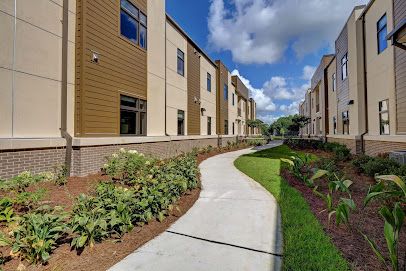
Wilmington Treatment Center
Wilmington, NC
- Detox
- Residential
- PHP
- Outpatient
Substance use treatment · SAMHSA-certified Opioid Treatment Program · Cognitive behavioral therapy
Accepts: Cash or self-payment, Medicare, State-financed health insurance plan other than Medicaid

RHA Health Services Inc
Wilmington, NC
- Detox
- Residential
- IOP
- MAT
Substance use treatment · Cognitive behavioral therapy · Dialectical behavior therapy
Accepts: Cash or self-payment, Medicaid, Medicare