

 1 / 3
1 / 3At a Glance
Location
10600 SE McLoughlin Boulevard, Portland, OR 97222
Phone
855-770-0577Website
http://www.pctdetox.comPrimary Focus
Treatment Settings
Treatment Approaches
Special Programs
About Pacific Crest Trail Detox
Pacific Crest Trail Detox in Portland, Oregon offers a full continuum of care — from medical detox through residential treatment and outpatient programming — for adults seeking structured, longer-term recovery support. The center serves LGBTQ+ individuals and accepts Medicaid, TRICARE, private insurance, and self-pay, making professional addiction treatment accessible across a range of financial situations.
Pacific Crest Trail Detox is a substance use treatment center located at 10600 SE McLoughlin Boulevard in Portland, Oregon, serving the broader Clackamas County area. Founded by Benjamin and Jennifer, with Darin serving as Medical Director, the center was built to provide reliable, expert care across every stage of the recovery journey — from the first medically supervised step through long-term outpatient support. For people who are ready to commit to lasting change rather than just getting through a crisis, Pacific Crest Trail Detox positions itself as a recovery partner, not just a detox stopgap.
The center offers one of the more complete continuums of care available in the Portland area. Levels of care include medical detox, residential treatment, a Partial Hospitalization Program (PHP), an Intensive Outpatient Program (IOP), and a standard outpatient program. This range means that individuals can move through progressively less intensive levels of support as they stabilize, rather than being discharged abruptly after detox and left to navigate recovery on their own.
Cognitive Behavioral Therapy (CBT) anchors the clinical approach at Pacific Crest Trail Detox, providing a structured framework for addressing the thought patterns and behaviors that fuel substance use. The center also addresses co-occurring trauma and PTSD, recognizing that for many people, unresolved trauma is deeply intertwined with addiction. This dual focus — on both substance use and the underlying conditions that contribute to it — reflects a more complete model of care than programs that treat addiction in isolation.
Pacific Crest Trail Detox explicitly serves LGBTQ+ individuals, an important distinction for a population that continues to face barriers to culturally responsive addiction treatment. The center accepts Medicaid, TRICARE, private insurance, and self-pay, broadening access for veterans, low-income individuals, and those without employer-sponsored coverage. Anyone seeking a recovery center in Portland that can meet them at detox and walk with them through residential treatment and outpatient care will find Pacific Crest Trail Detox worth a serious look.
A Full Recovery Continuum in Portland, Oregon
One of the most common disruptions in long-term recovery happens at transitions — when someone completes detox but has nowhere structured to go next, or finishes residential treatment without a clear step-down plan. Pacific Crest Trail Detox addresses this directly by offering medical detox, residential treatment, a Partial Hospitalization Program, an Intensive Outpatient Program, and a standard outpatient program all under one roof in Portland, OR.
For people thinking beyond the first 72 hours and planning a real recovery strategy, that continuity matters. Staying within a familiar clinical team as care intensity decreases can reduce the risk of early relapse during those critical transition windows. The center's range of levels of care means the recovery plan can evolve with the individual rather than ending when the most acute phase is over.
Trauma-Informed Addiction Treatment and CBT
Pacific Crest Trail Detox incorporates treatment for trauma and PTSD alongside its core substance abuse treatment programming. For a significant portion of people entering rehab, unaddressed trauma is a central driver of addictive behavior — and programs that treat only the substance use without the underlying conditions often see higher rates of relapse. By acknowledging this connection and building trauma treatment into its clinical model, the center takes a more complete view of what recovery actually requires.
Cognitive Behavioral Therapy (CBT) is the confirmed therapeutic method at Pacific Crest Trail Detox. CBT gives clients concrete tools for identifying and reshaping the thought patterns and responses that have sustained substance use, skills that remain applicable long after formal treatment ends. Combined with trauma-informed care, this approach aims to build the kind of internal resilience that supports lasting sobriety rather than short-term stabilization.
LGBTQ+-Affirming Rehab and Accessible Payment Options
Pacific Crest Trail Detox is one of the Portland-area recovery centers that specifically identifies LGBTQ+ individuals as a population it serves. For members of this community — who face statistically higher rates of substance use disorders and who have historically encountered treatment environments that were unwelcoming or actively harmful — that explicit commitment is meaningful when evaluating where to invest in long-term recovery.
On the financial side, the center accepts Medicaid, private insurance, TRICARE, and self-pay. TRICARE coverage makes the program a viable option for active-duty military members and veterans navigating addiction treatment. Medicaid acceptance opens the door for individuals who might otherwise assume that quality residential treatment or intensive outpatient programming is out of reach. Prospective clients can reach Pacific Crest Trail Detox directly at (855) 770-0577 to discuss insurance coverage and admissions.
What to Expect When You Contact Pacific Crest Trail Detox
Pacific Crest Trail Detox operates seven days a week, from 8 AM to 5 PM daily, at its Portland location at 10600 SE McLoughlin Boulevard, Suite 207. That consistent daily availability means families and individuals don't have to wait until Monday to begin the admissions conversation, which can matter when someone is ready to commit to treatment and doesn't want momentum to stall over a weekend.
The center is led by co-founders Benjamin and Jennifer, with physician oversight provided by Medical Director Darin. For people researching addiction treatment options in Portland and looking for a recovery center with a clear leadership structure, medical credibility, and a defined clinical framework, Pacific Crest Trail Detox offers a transparent starting point. Call (855) 770-0577 or visit pctdetox.com to learn more about their programs and begin the admissions process.
Why Choose Pacific Crest Trail Detox
- Full continuum from medical detox through outpatient — no need to change facilities as care steps down
- Explicitly LGBTQ+-affirming substance abuse treatment in the Portland, OR area
- Addresses co-occurring trauma and PTSD alongside addiction treatment
- Accepts Medicaid and TRICARE, expanding access for veterans and lower-income individuals
- CBT-grounded clinical programming with physician-level medical oversight from an on-site Medical Director
Frequently Asked Questions
What levels of care does Pacific Crest Trail Detox offer for people planning longer-term recovery?
Pacific Crest Trail Detox offers a full continuum that includes medical detox, residential treatment, a Partial Hospitalization Program (PHP), an Intensive Outpatient Program (IOP), and a standard outpatient program. This means individuals can move through progressively less intensive care as they stabilize, supporting a more sustained recovery rather than stopping at detox alone.
Does Pacific Crest Trail Detox treat trauma or PTSD alongside addiction?
Yes. Trauma and PTSD are confirmed conditions treated at Pacific Crest Trail Detox. The center recognizes that unresolved trauma is often closely connected to substance use, and addresses both within its clinical programming.
What therapy approach does Pacific Crest Trail Detox use?
Pacific Crest Trail Detox uses Cognitive Behavioral Therapy (CBT) as its confirmed therapeutic method. CBT is a structured, skills-based approach that helps clients identify and change the thinking patterns and behaviors that contribute to substance use — tools that continue to be useful well after formal treatment ends.
Is Pacific Crest Trail Detox LGBTQ+-affirming?
Yes. LGBTQ+ individuals are an explicitly identified population served by Pacific Crest Trail Detox. For community members seeking a recovery center in Portland where their identity is acknowledged and respected, the center has indicated this is a priority.
What payment options does Pacific Crest Trail Detox accept?
The center accepts Medicaid, private insurance, TRICARE, and self-pay. TRICARE coverage makes it an accessible option for veterans and military families, while Medicaid acceptance opens the door for individuals who need financial assistance to access residential or outpatient treatment.
Does Pacific Crest Trail Detox accept TRICARE for veterans and military members?
Yes. Pacific Crest Trail Detox accepts TRICARE, making it a viable addiction treatment option for active-duty military personnel, veterans, and their dependents in the Portland, Oregon area.
Where is Pacific Crest Trail Detox located and when is it open?
The center is located at 10600 SE McLoughlin Boulevard, Suite 207, in Portland, Oregon (Clackamas County). It operates seven days a week, Monday through Sunday, from 8 AM to 5 PM. You can reach them at (855) 770-0577.
Who leads the clinical and administrative team at Pacific Crest Trail Detox?
The center was co-founded by Benjamin, who serves as CEO, and Jennifer, who serves as COO. Medical oversight is provided by Darin, the center's Medical Director. This defined leadership structure gives prospective clients and families a clear picture of who is responsible for the program's direction and clinical quality.
Can someone start at medical detox and continue through outpatient treatment at Pacific Crest Trail Detox?
Yes. Pacific Crest Trail Detox offers a full step-down continuum — medical detox, residential treatment, PHP, IOP, and outpatient programming — meaning clients can transition through levels of care without changing facilities. This kind of continuity is particularly valuable for people committed to long-term recovery rather than short-term stabilization.
How do I find out if my insurance is accepted at Pacific Crest Trail Detox?
The center accepts Medicaid, private insurance, TRICARE, and self-pay. To confirm whether your specific plan is accepted, contact Pacific Crest Trail Detox directly at (855) 770-0577 or visit pctdetox.com. Staff are available seven days a week from 8 AM to 5 PM.
Nearby Treatment Centers

Oregon Trail Recovery LLC
Portland, OR
- PHP
- IOP
- MAT
- Sober Living
Substance use treatment · Accepts clients on opioid medication but prescribed elsewhere · Cognitive behavioral therapy
Accepts: Cash or self-payment, Private health insurance
Cascadia Behavioral Healthcare
Portland, OR
- IOP
- MAT
Substance use treatment · Accepts clients on opioid medication but prescribed elsewhere · Cognitive behavioral therapy
Accepts: Cash or self-payment, Medicaid, State-financed health insurance plan other than Medicaid

CODA Inc Clackamas Recovery Center
Happy Valley, OR
- IOP
- MAT
Substance use treatment · Accepts clients on opioid medication but prescribed elsewhere · Cognitive behavioral therapy
Accepts: Cash or self-payment, Medicaid, State-financed health insurance plan other than Medicaid

Integrated Health Clinics LLC
Portland, OR
- Detox
- IOP
- MAT
Substance use treatment · SAMHSA-certified Opioid Treatment Program · Cognitive behavioral therapy
Accepts: Cash or self-payment, Medicaid, Medicare
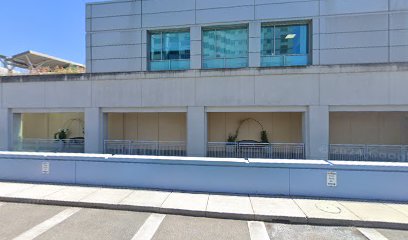
Opiate Treatment Program VA Portland Healthcare System
Portland, OR
- Outpatient
- MAT
Substance use treatment · All Clients in Opioid Treatment Program · SAMHSA-certified Opioid Treatment Program
Accepts: Cash or self-payment, Private health insurance
Cascadia Behavioral Healthcare
Portland, OR
- Outpatient
- MAT
Substance use treatment · Accepts clients on opioid medication but prescribed elsewhere · Cognitive behavioral therapy
Accepts: Cash or self-payment, Medicaid, Medicare