

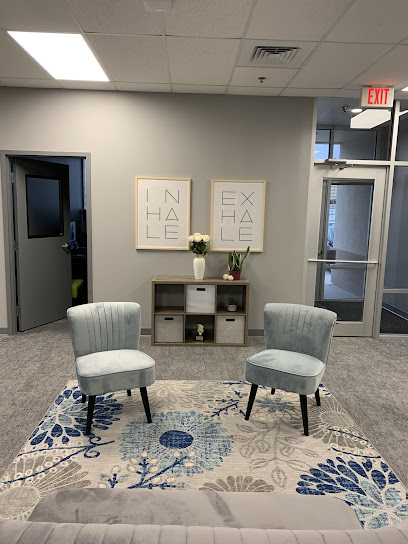
At a Glance
Location
11215 John Galt Boulevard, Omaha, NE 68137
Phone
402-592-5900Primary Focus
Treatment Settings
Treatment Approaches
About Omaha Treatment Center
Omaha Treatment Center, part of the Northpoint Recovery network, offers medical detox services at its Omaha, Nebraska location on M St — operating 24 hours a day to support people ready to begin the recovery process. The center treats alcohol addiction, drug addiction, opioid addiction, stimulant addiction, benzodiazepine addiction, prescription drug use, dual diagnosis, and mental health challenges, serving individuals across Omaha, Lincoln, and greater Nebraska.
Omaha Treatment Center is located at 9623 M St in Omaha, Nebraska, operating around the clock as part of the Northpoint Recovery network. Positioned in Douglas County and drawing clients from across the state — including Lincoln and the broader Nebraska region — this center functions as a starting point for people who are ready to address substance use and begin building a foundation for longer-term recovery. The facility is reachable at (888) 687-8014 any time of day or night.
The center's confirmed level of care is medical detox, a structured first step in the addiction treatment process for individuals whose bodies have become physically dependent on substances. Medical detox addresses the physiological dimension of addiction before the ongoing work of recovery continues. For people dealing with opioid addiction, benzodiazepine addiction, stimulant addiction, alcohol addiction, or prescription drug dependency, having access to medically supervised detox around the clock is a meaningful factor in the early stage of treatment.
Omaha Treatment Center treats a range of conditions that reflect the complexity many people bring into the recovery process — including dual diagnosis, which recognizes the overlap between substance use disorders and mental health challenges. By acknowledging mental health as part of the treatment picture, the center positions itself as a place where the whole scope of a person's situation can be addressed from the outset, not just the substance use in isolation.
The center serves adults managing alcohol addiction, drug addiction, opioid addiction, stimulant addiction, benzodiazepine addiction, prescription drug use, dual diagnosis, and co-occurring mental health challenges throughout Omaha, Lincoln, and Nebraska. Its 24-hour operating schedule means that people — and the family members supporting them — don't have to wait for a weekday or a business-hours window to take the first step. For anyone in Nebraska evaluating where to begin addiction treatment, Omaha Treatment Center represents an accessible, always-available entry point into the recovery process.
Medical Detox in Omaha, Nebraska: A 24-Hour Starting Point for Recovery
For many people, the first concrete step in addiction treatment is medical detox — the process of clearing substances from the body in a monitored setting. Omaha Treatment Center provides this level of care at its M St location in Omaha, NE, with 24-hour access that removes the barrier of waiting for the right moment on the calendar. That around-the-clock availability matters for people in Nebraska who are ready to act but can't predict when that readiness will arrive.
Medical detox is a recognized starting point in the broader continuum of substance abuse treatment — not the end of the recovery process, but the physical foundation on which longer-term recovery is built. For individuals managing opioid addiction, benzodiazepine addiction, alcohol addiction, stimulant addiction, or prescription drug dependency, beginning that process with proper medical oversight is an important factor in what comes next.
Dual Diagnosis and Mental Health: Treating the Full Picture
Substance use disorders frequently exist alongside mental health challenges — anxiety, depression, trauma histories, and other conditions that can both contribute to and be worsened by addiction. Omaha Treatment Center confirms dual diagnosis as a condition it treats, meaning clients who come in managing both substance use and mental health challenges are recognized as such from the start of their time at the center.
For the recovery community in Omaha and across Nebraska, this distinction is significant. A treatment approach that accounts for mental health alongside the substance use disorder positions a person more realistically for the work that follows detox — whether that means continuing in a residential treatment program, stepping into an outpatient program, or beginning the aftercare phase of recovery. Addressing both dimensions early is a practical part of building lasting sobriety.
Who Omaha Treatment Center Serves
Omaha Treatment Center confirms treatment for a wide range of substance use and co-occurring conditions: alcohol addiction, drug addiction, opioid addiction, stimulant addiction, benzodiazepine addiction, prescription drug use, dual diagnosis, and mental health challenges. That breadth means individuals arriving with complex or overlapping conditions are within the center's stated scope of care — not edge cases that need to be redirected elsewhere.
The center's service area extends beyond Omaha to include Lincoln and greater Nebraska, making it a relevant option for people across the state who are evaluating where to begin addiction treatment. Family members searching for a recovery center for a loved one in Douglas County or surrounding communities can reach the center directly at (888) 687-8014, any hour of the day.
Northpoint Recovery Network: Omaha's Connection to a Broader Treatment System
Omaha Treatment Center operates under the Northpoint Recovery brand, placing it within a network that extends beyond a single facility. For people in Omaha and Nebraska thinking about the longer arc of their recovery — what comes after detox, where outpatient programming fits in, how aftercare and continuing support are structured — being connected to a larger treatment organization can be a meaningful factor when comparing rehab options.
The center's website is hosted at northpointrecovery.com, and the facility at 9623 M St in Omaha represents the Nebraska presence of that network. Individuals and families navigating the substance abuse treatment landscape in Omaha, Lincoln, or across the state can use (888) 687-8014 as a direct line to learn more about how Omaha Treatment Center fits into a broader recovery plan.
Why Choose Omaha Treatment Center
- 24-hour availability — the center operates around the clock, so people across Omaha, Lincoln, and Nebraska can access medical detox any time the decision to seek help is made
- Dual diagnosis treatment — the center confirms treatment for co-occurring mental health challenges alongside substance use disorders, not just the addiction alone
- Broad substance treatment scope — confirmed treatment for opioid addiction, benzodiazepine addiction, stimulant addiction, alcohol addiction, and prescription drug use under one roof
- Part of the Northpoint Recovery network — connecting Omaha-area clients to a larger addiction treatment organization with established resources
- Statewide service reach — while located in Douglas County, the center serves individuals from across Nebraska including Lincoln
Frequently Asked Questions
What level of care does Omaha Treatment Center provide?
Omaha Treatment Center provides medical detox, which is a supervised process for managing physical withdrawal as the first stage of addiction treatment. This level of care is available 24 hours a day at the center's location at 9623 M St in Omaha, NE. Medical detox is typically a starting point in the broader recovery process, not the full scope of substance abuse treatment on its own.
What substances and conditions does Omaha Treatment Center treat?
The center confirms treatment for alcohol addiction, drug addiction, opioid addiction, stimulant addiction, benzodiazepine addiction, prescription drug use, dual diagnosis, and co-occurring mental health challenges. This range means individuals with complex or overlapping conditions are within the center's stated scope of care. Anyone unsure whether their specific situation is addressed should call (888) 687-8014 directly.
Is Omaha Treatment Center open on weekends and holidays?
Yes. Omaha Treatment Center operates 24 hours a day, which means it is accessible every day of the week, including weekends and holidays. For people in recovery or in crisis who are ready to take the first step, that around-the-clock availability removes a common timing barrier to beginning treatment.
Does Omaha Treatment Center treat dual diagnosis?
Yes. Dual diagnosis — the co-occurrence of a substance use disorder alongside a mental health challenge — is confirmed as a condition Omaha Treatment Center treats. Recognizing both dimensions from the start of the detox process is an important factor for many people entering addiction treatment, particularly those whose mental health and substance use are closely linked.
What areas does Omaha Treatment Center serve?
The center's confirmed service area includes Omaha, Lincoln, and greater Nebraska. Its physical location is at 9623 M St in Omaha, in Douglas County. People traveling from Lincoln or other parts of Nebraska to access medical detox services at this facility are within the center's stated reach.
How do I contact Omaha Treatment Center?
Omaha Treatment Center can be reached by phone at (888) 687-8014. The center operates 24 hours a day, so there is no need to wait for business hours to make contact. The facility is located at 9623 M St, Omaha, NE 68127, and more information is available at northpointrecovery.com.
Is Omaha Treatment Center part of a larger rehab network?
Yes. Omaha Treatment Center operates under the Northpoint Recovery network, as reflected in its website at northpointrecovery.com. For individuals and families thinking about the longer arc of recovery — including what follows medical detox — being connected to a larger addiction treatment organization may be a relevant factor when evaluating this center.
Does Omaha Treatment Center treat opioid addiction?
Yes. Opioid addiction is confirmed as one of the conditions treated at Omaha Treatment Center. The center provides medical detox, which is a standard first step in opioid addiction treatment for individuals with physical dependence. For specific questions about opioid treatment at this facility, call (888) 687-8014.
What should family members know about Omaha Treatment Center?
Family members supporting a loved one can reach Omaha Treatment Center at any time at (888) 687-8014 — the center is open 24 hours a day. The center treats a broad range of conditions including dual diagnosis and mental health challenges, which may be relevant for family members whose loved ones have complex needs entering the addiction treatment process. The service area covers Omaha, Lincoln, and Nebraska broadly.
Nearby Treatment Centers
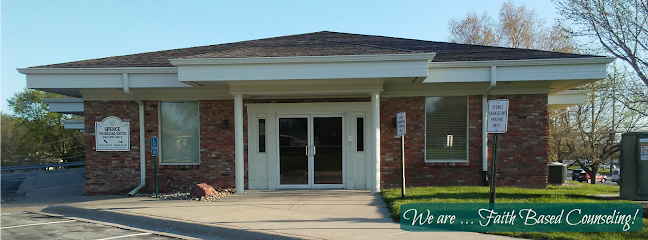
Spence Counseling Center
Omaha, NE
- Outpatient
Substance use treatment · Does not treat opioid addiction · Cognitive behavioral therapy
Accepts: Cash or self-payment, Medicaid, State-financed health insurance plan other than Medicaid
Arbor Family Counseling Associates Inc
Omaha, NE
- Outpatient
Substance use treatment · Does not treat opioid addiction · Cognitive behavioral therapy
Accepts: Cash or self-payment, Medicaid, Private health insurance

OneWorld Community Health Centers Inc
Omaha, NE
- Outpatient
Substance use treatment · Does not treat opioid addiction · Cognitive behavioral therapy
Accepts: Cash or self-payment, Medicaid, Medicare
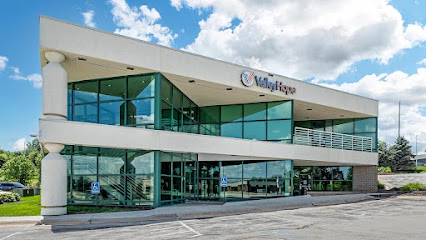
Valley Hope of Omaha
Omaha, NE
- IOP
Substance use treatment · Accepts clients on opioid medication but prescribed elsewhere · Cognitive behavioral therapy
Accepts: Cash or self-payment, Private health insurance, Military insurance
Gregory D Tvrdik PC Counseling Connections and Associates
Omaha, NE
- IOP
Substance use treatment · Does not treat opioid addiction · Cognitive behavioral therapy
Accepts: Cash or self-payment, Medicaid, Medicare
Heartland Family Services Inc
Papillion, NE
- Outpatient
Substance use treatment · Accepts clients on opioid medication but prescribed elsewhere · Cognitive behavioral therapy
Accepts: Medicaid, Medicare, State-financed health insurance plan other than Medicaid