


At a Glance
Location
13101 Memorial Springs Court, Oklahoma City, OK 73114
Phone
405-438-3000Primary Focus
Treatment Settings
Treatment Approaches
Special Programs
About Oakwood Springs
Oakwood Springs is a behavioral health hospital in Oklahoma City, OK, offering a full continuum of addiction treatment — from medical detox through residential treatment, outpatient, and intensive outpatient programs. The center specializes in co-occurring mental health and substance use disorders, with dedicated programming for veterans, active duty military, and first responders. Alumni support keeps the connection to recovery alive well beyond discharge.
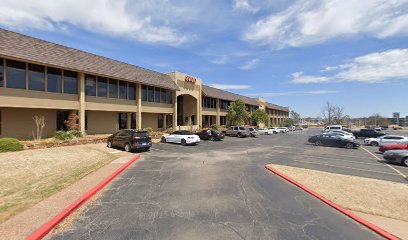
Oakwood Springs is a behavioral health hospital located at 13101 Memorial Springs Court in Oklahoma City, Oklahoma, operating 24 hours a day for those seeking addiction treatment and mental health care. Part of the LifePoint Health network, the facility provides both inpatient and outpatient programming under one roof, making it a resource for individuals at multiple stages of the recovery journey — not just those in acute crisis. The center treats substance use alongside a broad range of co-occurring conditions, including depression, anxiety, PTSD, bipolar disorder, borderline personality disorder, psychosis, and suicidal ideation.
The recovery center offers a structured continuum of care that begins with medical detox and moves through residential treatment for those who need a higher level of immersive support. From there, individuals can step down into an outpatient program or an intensive outpatient program (IOP), allowing them to maintain progress while re-engaging with daily life. This range of levels of care means Oakwood Springs can serve as a long-term recovery partner rather than a single point of intervention.
Clinical work at Oakwood Springs draws on Cognitive Behavioral Therapy (CBT), Dialectical Behavior Therapy (DBT), trauma-informed treatment, and medication management — a combination well-suited to the dual-diagnosis population the center serves. Therapeutic spaces are purposefully designed, and the facility includes peaceful outdoor courtyards, activity-based therapy rooms, and welcoming communal areas that support the kind of peer connection central to sustained recovery. Alumni support extends the recovery community beyond the clinical setting.
Oakwood Springs maintains dedicated programming for veterans, active duty military, first responders, and individuals who are deaf or hard of hearing — populations that often face unique barriers to accessing appropriate substance abuse treatment. Payment options include Medicaid, Medicare, TRICARE, private insurance, and self-pay, keeping the program accessible across a range of financial situations. For anyone in Oklahoma City evaluating a recovery center that addresses both addiction and mental health together, Oakwood Springs offers a clinically grounded, community-connected option.
A Full Continuum of Addiction Treatment in Oklahoma City
Recovery rarely follows a single straight line, and Oakwood Springs is built around that reality. The facility's levels of care — medical detox, residential treatment, outpatient program, and intensive outpatient program (IOP) — form a connected path that can meet people wherever they are in the process. For those beginning with medical detox, the transition into residential treatment happens within the same facility, preserving the therapeutic relationships and structure that early recovery depends on.
The intensive outpatient program gives individuals the flexibility to work or manage family responsibilities while continuing structured substance abuse treatment several days per week. This step-down model is particularly valuable for people who have completed residential care and are preparing for full re-entry into daily life. Oakwood Springs accepts Medicaid, Medicare, TRICARE, private insurance, and self-pay, which broadens access to this continuum across different financial circumstances.
Dual Diagnosis Treatment: Addiction and Mental Health Together
A significant portion of people seeking rehab are navigating mental health conditions alongside substance use — and Oakwood Springs is specifically structured to treat both at the same time. The facility addresses co-occurring disorders including depression, anxiety, PTSD, bipolar disorder, borderline personality disorder, psychosis, and suicidal ideation. Treating these conditions in parallel, rather than in sequence, is central to how the center approaches long-term recovery.
Clinical methods include Cognitive Behavioral Therapy (CBT), Dialectical Behavior Therapy (DBT), trauma-informed treatment, and medication management. DBT in particular is designed for individuals managing intense emotional responses and self-destructive patterns, making it a strong fit for a dual-diagnosis recovery community. This combination of therapeutic approaches gives the clinical team tools to address the range of presentations that arrive at a behavioral health hospital serving this population.
Serving Veterans, Military, and First Responders
Oakwood Springs has built its programming to specifically serve veterans, active duty military, and first responders — groups that often face occupational trauma, peer stigma, and systemic barriers when seeking addiction treatment or mental health care. The facility accepts TRICARE, the insurance program for military members and their families, making financial access more direct for this population.
The inclusion of trauma-informed treatment and PTSD as a confirmed condition treated reflects a clinical approach that aligns with the experiences these populations commonly bring into treatment. For family members supporting a veteran or first responder considering a recovery center, Oakwood Springs represents one of the few facilities in Oklahoma City with confirmed, documented focus on these groups.
Aftercare and Alumni Support in Oklahoma City
What happens after discharge matters as much as what happens during treatment — and Oakwood Springs maintains alumni support as part of its aftercare structure. An alumni program creates an ongoing connection to the recovery community, which research consistently links to better long-term outcomes. For individuals leaving residential treatment or completing an IOP, this network provides continuity when formal clinical services end.
The facility's communal areas and outdoor courtyards are designed to support peer connection during treatment itself, building the kind of relationships that carry forward into the alumni phase. For families evaluating sober living and aftercare options in Oklahoma County, knowing that a recovery center maintains an alumni program is a meaningful factor in choosing a long-term partner in sobriety.
Why Choose Oakwood Springs
- Full continuum from medical detox through IOP — one facility can support multiple stages of the recovery journey
- Specialized programming for veterans, active duty military, and first responders, with TRICARE accepted
- Integrated dual-diagnosis treatment addressing substance use alongside depression, PTSD, bipolar disorder, BPD, and more
- Alumni support program that maintains community connection after residential or outpatient treatment ends
- Accessible to deaf and hard of hearing individuals — a rare accommodation in addiction treatment settings
Frequently Asked Questions
What levels of care does Oakwood Springs offer for addiction treatment?
Oakwood Springs provides medical detox, residential treatment, an outpatient program, and an intensive outpatient program (IOP). This full continuum allows individuals to move through different phases of recovery within the same facility. The range of options makes it a practical choice for those planning a longer-term recovery strategy, not just an acute intervention.
Does Oakwood Springs treat co-occurring mental health conditions alongside addiction?
Yes. The facility specializes in co-occurring disorders, also called dual diagnosis, and treats conditions including depression, anxiety, PTSD, bipolar disorder, borderline personality disorder, psychosis, and suicidal ideation alongside substance use. Treating both simultaneously is central to the center's clinical model rather than an add-on service.
Is Oakwood Springs equipped to serve veterans and active duty military?
Oakwood Springs specifically serves veterans, active duty military, and first responders and accepts TRICARE as a payment method. The facility's clinical methods include trauma-informed treatment, which is relevant to the experiences many in these populations bring into recovery. This focus is built into the program, not incidental to it.
What therapeutic approaches are used at Oakwood Springs?
The clinical team uses Cognitive Behavioral Therapy (CBT), Dialectical Behavior Therapy (DBT), trauma-informed treatment, and medication management. DBT is particularly well-suited for individuals managing co-occurring emotional and behavioral health conditions. These approaches work together across all levels of care, from residential treatment through the intensive outpatient program.
What payment options does Oakwood Springs accept?
Oakwood Springs accepts Medicaid, Medicare, TRICARE, private insurance, and self-pay. This range of payment methods extends access to the facility's addiction treatment and recovery programs across a broad range of financial situations. Prospective patients should contact the facility directly to confirm specific insurance coverage details.
Does Oakwood Springs offer any aftercare or alumni support?
Yes, Oakwood Springs provides alumni support as part of its aftercare structure. An alumni program maintains a connection to the recovery community after formal treatment ends, which is associated with stronger long-term sobriety outcomes. For individuals completing residential or outpatient treatment, this ongoing network is an important continuity resource.
Is Oakwood Springs open around the clock for admissions?
Oakwood Springs operates 24 hours a day. This means assessments and intake can happen at any hour, which is particularly relevant for individuals or family members who reach a decision point outside of standard business hours. The center can be reached by phone at (405) 438-3000.
Does Oakwood Springs offer services for deaf or hard of hearing individuals?
Yes, Oakwood Springs is confirmed to serve individuals who are deaf or hard of hearing. This is a documented population in the center's programming, making it one of the few addiction treatment facilities in Oklahoma City with this specific accommodation on record.
What is the difference between the outpatient program and the intensive outpatient program (IOP) at Oakwood Springs?
Both are non-residential levels of care, but an intensive outpatient program (IOP) involves a higher number of treatment hours per week compared to a standard outpatient program. IOPs are commonly used as a step-down after residential treatment or for those who need more support than standard outpatient provides. Oakwood Springs offers both, allowing for individualized placement within the continuum.
Where is Oakwood Springs located, and what area does it serve?
Oakwood Springs is located at 13101 Memorial Springs Court in Oklahoma City, Oklahoma, within Oklahoma County. The facility operates around the clock and can be reached at (405) 438-3000 or through its website at oakwoodsprings.com.
Nearby Treatment Centers
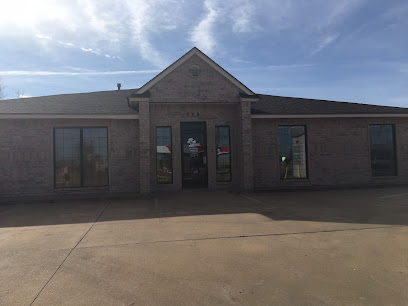
Mission Treatment Centers Inc OKC Hefner
Oklahoma City, OK
- Detox
- Outpatient
- MAT
Substance use treatment · All Clients in Opioid Treatment Program · SAMHSA-certified Opioid Treatment Program
Accepts: Cash or self-payment, Medicaid
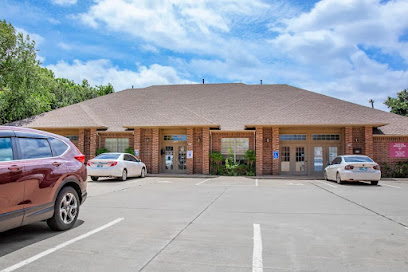
Valley Hope of Oklahoma City
Oklahoma City, OK
- IOP
Substance use treatment · Accepts clients on opioid medication but prescribed elsewhere · Cognitive behavioral therapy
Accepts: Cash or self-payment, Private health insurance, Military insurance
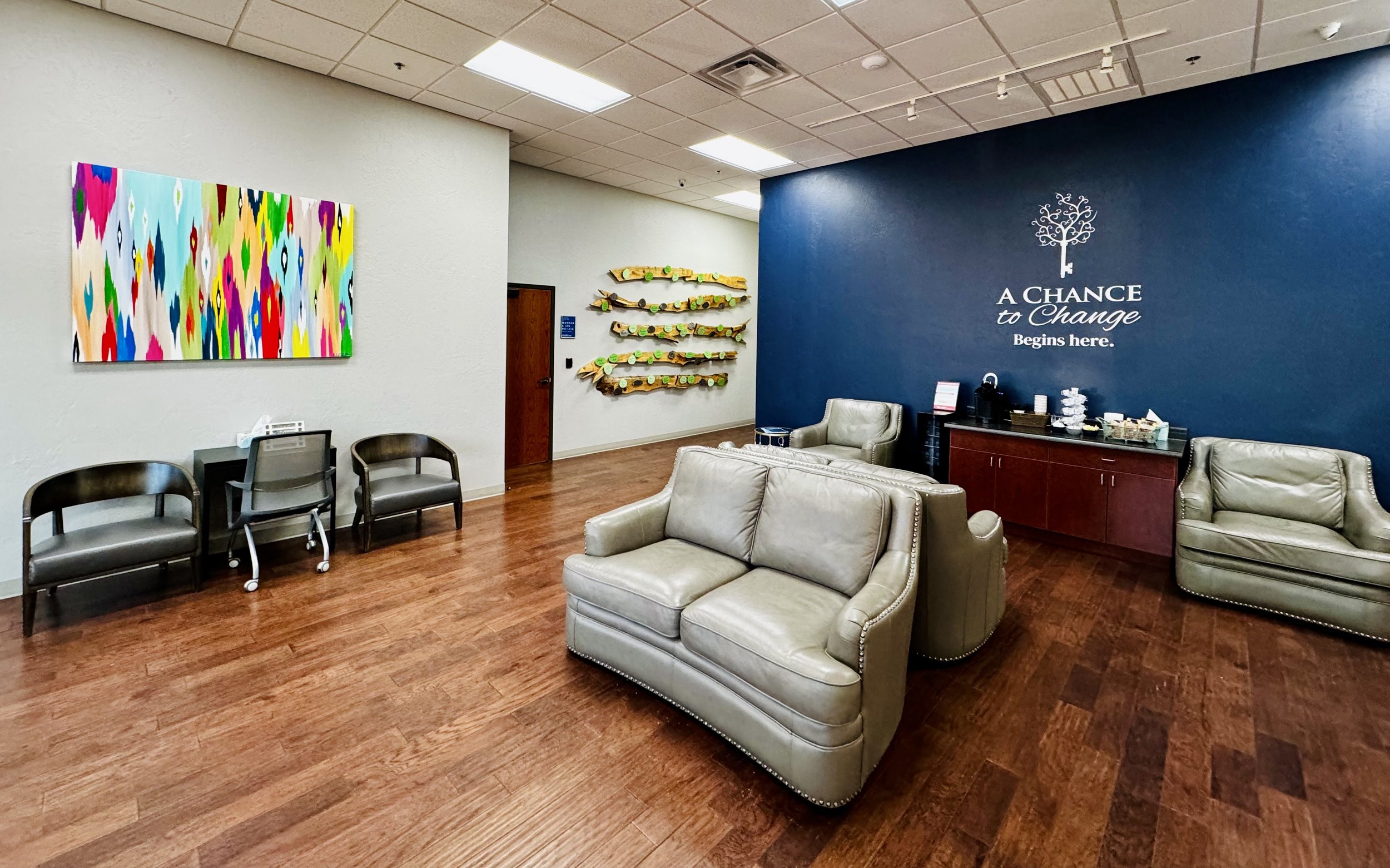
A Chance to Change Foundation
Oklahoma City, OK
- Outpatient
Substance use treatment · Accepts clients on opioid medication but prescribed elsewhere · Cognitive behavioral therapy
Accepts: Cash or self-payment, Medicaid, Medicare
Specialized Outpatient Services Inc
Oklahoma City, OK
- IOP
- Sober Living
Substance use treatment · Accepts clients on opioid medication but prescribed elsewhere · Cognitive behavioral therapy
Accepts: Cash or self-payment, Medicaid, State-financed health insurance plan other than Medicaid
Family Development Interv Servs
Oklahoma City, OK
- Outpatient
Substance use treatment · Accepts clients on opioid medication but prescribed elsewhere · Cognitive behavioral therapy
Accepts: Cash or self-payment, Medicaid, Medicare
TLC Foundation Total Life Counseling
Oklahoma City, OK
- IOP
Substance use treatment · Accepts clients on opioid medication but prescribed elsewhere · Cognitive behavioral therapy
Accepts: Cash or self-payment, Medicaid, State-financed health insurance plan other than Medicaid