

At a Glance
Primary Focus
Treatment Settings
Treatment Approaches
Special Programs
About Nirvana Drug and Alcohol Trt Program Women of Hope
Nirvana Drug and Alcohol Treatment Program – Women of Hope offers residential treatment, intensive outpatient, and outpatient programs for men and women in Modesto, CA. Licensed by California DHCS for both men's and women's residential care, the center addresses alcoholism and trauma/PTSD through CBT and group therapy, with aftercare and reentry support built into the recovery plan.
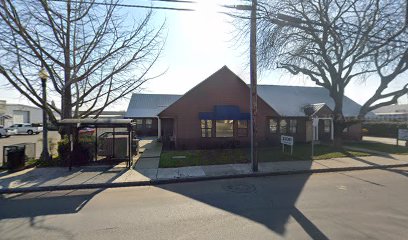
Nirvana Drug and Alcohol Treatment Program – Women of Hope is a DHCS-licensed residential and outpatient recovery center located at 1100 Kansas Avenue in Modesto, California, serving Stanislaus County and the broader Central Valley. The facility holds separate state certifications for men's residential, women's residential, and outpatient/IOP services — a structural distinction that allows the program to meet clients where they are across different stages of recovery, not just at the acute end. With a licensed capacity of 52, it operates at a scale that supports genuine community while remaining manageable for individualized attention.
The continuum of care at Nirvana spans three levels: residential treatment for those who need full-time structure and support, an intensive outpatient program (IOP) for clients stepping down or managing recovery alongside daily responsibilities, and a standard outpatient program for ongoing maintenance and accountability. Residential stays typically run 30 to 90 days, giving clients enough time to move beyond stabilization and begin building the habits and connections that sustain long-term recovery. The IOP and outpatient tiers extend that work into real-world settings, bridging the gap between structured residential life and independent living.
Nirvana's treatment approach centers on Cognitive Behavioral Therapy (CBT) and group therapy, applied specifically to conditions the program formally treats: alcoholism and trauma/PTSD. CBT helps clients identify and reshape the thought patterns driving substance use and trauma responses, while group therapy builds the peer accountability that community-oriented recovery depends on. Each client receives a personalized treatment plan and has access to one-on-one counseling sessions alongside structured educational groups — a combination that addresses both the clinical and practical dimensions of lasting sobriety.
Nirvana serves men, women, and court-ordered individuals, making it one of the few programs in the Modesto area with dual-gender residential certification and an explicit focus on trauma alongside addiction. Aftercare planning, reentry support, referrals, and connections to supportive housing are integrated into the program, reflecting a philosophy that recovery doesn't end at discharge. Financial barriers are addressed through Medicaid, Medicare, private insurance, state insurance, self-pay, sliding scale fees, and financial assistance — broadening access for the communities Stanislaus County serves.
A Recovery Center Built for the Full Journey
Nirvana Drug and Alcohol Treatment Program – Women of Hope approaches addiction treatment as a process that unfolds over time, not a single intervention. The residential program — licensed for up to 52 clients across separate men's and women's tracks — gives people the structured environment and peer community that early recovery demands. Stays typically run 30 to 90 days, long enough to move past the initial adjustment and start developing the routines that make sobriety sustainable.
What sets Nirvana apart in the Modesto recovery landscape is its formal treatment of trauma and PTSD alongside alcoholism. Many people entering residential treatment carry histories that standard substance-focused programs aren't equipped to address directly. By incorporating trauma treatment into the core clinical model, the center works on both the substance use and the underlying experiences that often drive it — a more complete foundation for lasting recovery.
From Residential Care to Outpatient Support: The Continuum at Nirvana
Nirvana's three-tiered structure — residential treatment, intensive outpatient program (IOP), and outpatient program — means clients don't have to find a new recovery community every time their care needs change. The IOP offers a meaningful middle ground for people stepping down from residential or managing recovery while keeping up with work, family, or legal obligations. The outpatient program extends accountability and clinical support further into the transition back to independent life.
This continuum matters for long-term recovery outcomes. The research consistently shows that longer engagement with treatment and aftercare correlates with better results. Nirvana reinforces that engagement through built-in aftercare planning, reentry support for individuals returning to the community, referrals to outside services, and connections to supportive housing — resources that address the practical challenges that can derail recovery after discharge.
Therapeutic Approach: CBT, Group Therapy, and Individualized Planning
The clinical core at Nirvana draws on Cognitive Behavioral Therapy and group therapy — two of the most thoroughly studied modalities in addiction and trauma treatment. CBT gives clients practical tools to recognize and interrupt the thought and behavior patterns that contribute to substance use, while group therapy builds the peer relationships and shared accountability that characterize strong recovery communities. Every client works from an treatment planning plan developed around their specific history and goals.
One-on-one counseling sessions and structured educational groups run alongside the group therapy component, giving clients both personal attention and community engagement throughout their stay. This combination — individual focus embedded within a group framework — reflects how durable recovery actually works: people need personalized clinical support and they need to belong to something larger than themselves.
Who Nirvana Serves and How to Access Care
Nirvana accepts men, women, and court-ordered individuals into its programs, and holds DHCS certifications specific to each residential population. This isn't a one-size-fits-all model — the separate licensure for men's and women's residential care reflects a deliberate program design. Services are delivered in English, and the Modesto, CA location serves Stanislaus County and the surrounding Central Valley region.
Accessing care at Nirvana is supported by a broad range of payment options: Medicaid, Medicare, private insurance, state insurance, self-pay and cash, sliding scale fees, and financial assistance are all accepted. For those navigating the financial side of seeking treatment for themselves or a family member, that breadth of options removes a significant barrier. Contact the center at (209) 579-1151 or [email protected], or visit Nirvanatx.org to learn more about available programs.
Why Choose Nirvana Drug and Alcohol Trt Program Women of Hope
- Dual-gender DHCS certification — separate state licenses for men's and women's residential programs under one roof
- Formally treats trauma/PTSD alongside alcoholism, recognizing the co-occurring nature of many recoveries
- Full continuum from residential treatment through IOP to outpatient, supporting clients at every stage of the recovery journey
- Aftercare, reentry support, referrals, and connections to supportive housing are built into the program — not offered as add-ons
- Seven payment pathways including Medicaid, Medicare, sliding scale, and financial assistance, removing financial obstacles to long-term recovery
Frequently Asked Questions
What levels of care does Nirvana offer for people in recovery?
Nirvana offers three levels of care: residential treatment, intensive outpatient program (IOP), and outpatient program. This continuum allows clients to move through different stages of recovery within the same treatment community, from full-time residential structure to part-time outpatient support as they reintegrate into daily life.
How long is the residential program at Nirvana?
Residential stays at Nirvana typically run 30 to 90 days. This range allows the treatment team to tailor the length of stay to each client's progress and recovery needs rather than applying a fixed timeline to everyone.
Does Nirvana treat trauma and PTSD alongside addiction?
Yes. Trauma and PTSD are among the conditions formally treated at Nirvana, alongside alcoholism. Addressing trauma as part of addiction treatment reflects the recognition that unresolved trauma is often closely connected to substance use and must be treated alongside it for recovery to hold.
Does Nirvana serve both men and women?
Yes. Nirvana holds separate DHCS certifications for men's residential and women's residential programs, and also accepts court-ordered individuals. The combined licensed capacity is 52 clients across these populations.
What happens after residential treatment ends — is there aftercare support?
Aftercare is built into Nirvana's programming, not treated as an optional add-on. The center provides aftercare planning, reentry support for clients returning to the community, referrals to outside services, and connections to supportive housing — all aimed at sustaining recovery after discharge.
What therapeutic methods are used at Nirvana?
Nirvana's clinical approach includes Cognitive Behavioral Therapy (CBT) and group therapy. Clients also receive one-on-one counseling sessions, participate in educational groups, and work from an treatment planning plan developed around their specific needs and history.
What payment options does Nirvana accept?
Nirvana accepts Medicaid, Medicare, private insurance, state insurance, self-pay and cash, sliding scale fees, and financial assistance. This range of options is designed to make residential and outpatient treatment accessible to individuals and families across a broad range of financial situations.
Is Nirvana state-licensed and certified?
Yes. Nirvana holds three active DHCS licenses and certifications: one for men's residential care, one for women's residential care, and one covering outpatient and IOP services. All three certifications are current and issued by the California Department of Health Care Services.
Where is Nirvana located and what areas does it serve?
Nirvana is located at 1100 Kansas Avenue, Suite B, in Modesto, California, within Stanislaus County. The program primarily serves the Modesto, CA area. You can reach the center by phone at (209) 579-1151 or by email at [email protected].
Does Nirvana accept court-ordered clients?
Yes. Court-ordered individuals are among the populations Nirvana is equipped to serve across its residential and outpatient programs. The center's DHCS certifications cover this population within its licensed scope of care.
Nearby Treatment Centers

Valley Recovery Resources Redwood Family Treatment Center
Modesto, CA
- Detox
- Residential
- Sober Living
Substance use treatment · Accepts clients on opioid medication but prescribed elsewhere · Cognitive behavioral therapy
Accepts: Medicaid, Medicare

Nirvana Alcohol and Drug Treatment Prg
Modesto, CA
- IOP
- Sober Living
Substance use treatment · Accepts clients on opioid medication but prescribed elsewhere · Cognitive behavioral therapy
Accepts: Cash or self-payment, State-financed health insurance plan other than Medicaid, Sliding fee scale
Nirvana Drug and Alcohol Institute Outpatient
Modesto, CA
- IOP
Substance use treatment · Accepts clients on opioid medication but prescribed elsewhere · Cognitive behavioral therapy
Accepts: Cash or self-payment, State-financed health insurance plan other than Medicaid
Nirvana Drug and Alcohol Institute
Modesto, CA
- Residential
Substance use treatment · Accepts clients on opioid medication but prescribed elsewhere · Cognitive behavioral therapy
Accepts: Cash or self-payment, Medicaid, Payment assistance
Nirvana Alcohol and Drug Treatment Prg
Modesto, CA
- Residential
- Sober Living
Substance use treatment · Accepts clients on opioid medication but prescribed elsewhere · Cognitive behavioral therapy
Accepts: Cash or self-payment, State-financed health insurance plan other than Medicaid, Sliding fee scale

Aegis Treatment Centers LLC
Modesto, CA
- Detox
- Outpatient
- MAT
Substance use treatment · All Clients in Opioid Treatment Program · SAMHSA-certified Opioid Treatment Program
Accepts: Cash or self-payment, Medicare, State-financed health insurance plan other than Medicaid