

At a Glance
Primary Focus
Treatment Settings
Treatment Approaches
Special Programs
About New York and Presbyterian Hospital OTP
New York and Presbyterian Hospital OTP is a certified Opioid Treatment Program operating as an outpatient clinic on Manhattan's Upper East Side. Affiliated with one of New York City's most recognized academic medical systems, the program serves adults navigating opioid dependency — including individuals with co-occurring disorders and those who are Deaf or hard of hearing. Medicaid and Medicare are accepted.
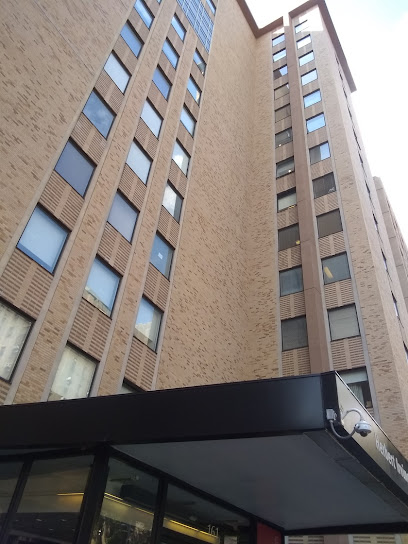
Located at 503 East 70th Street on the Upper East Side of Manhattan, New York and Presbyterian Hospital OTP operates as an outpatient clinic within the NewYork-Presbyterian health system. The program is formally certified as an Opioid Treatment Program (OTP), placing it within a federally regulated framework designed for people pursuing sustained recovery from opioid dependency. For community members evaluating addiction treatment in New York City, the program's institutional backing and accessible Manhattan location make it a notable option in the recovery landscape.
The clinic delivers care through an outpatient program structure, which allows participants to engage with treatment while maintaining their daily responsibilities — work, family, housing, and community connections. This outpatient model is well-suited for individuals who are past the acute phase of crisis and are focused on the longer work of sustained recovery. The program is available seven days a week, offering consistent access that supports the kind of routine that recovery depends on.
New York and Presbyterian Hospital OTP holds certification as an Opioid Treatment Program, a designation that reflects adherence to federal standards for this type of specialized outpatient care. The program also addresses co-occurring disorders and dual diagnosis, recognizing that mental health conditions frequently intersect with substance use and that treatment addressing both together is essential for lasting recovery. The program serves individuals who are Deaf or hard of hearing, reflecting a concrete commitment to accessibility.
The populations served here include people managing co-occurring mental health and substance use conditions, as well as Deaf and hard-of-hearing individuals — groups that are too often underserved in traditional addiction treatment settings. Payment options include Medicaid, Medicare, and self-pay, removing financial barriers that prevent many New Yorkers from accessing the outpatient care they need. For those building long-term recovery in New York City, this OTP-certified outpatient program within a respected hospital system represents a structured, accessible entry point into sustained treatment.
OTP-Certified Outpatient Recovery in the Heart of Manhattan
New York and Presbyterian Hospital OTP operates at the intersection of institutional medical expertise and accessible outpatient recovery care. As a federally certified Opioid Treatment Program, the clinic meets rigorous federal standards for this specialized form of substance abuse treatment — a designation that matters for people who want accountability and structure behind the program supporting their recovery.
The Upper East Side location at 503 East 70th Street places the program within reach of a broad cross-section of New York City residents. The clinic is open seven days a week, a schedule that reflects the real demands of recovery, which does not pause for weekends or holidays. For individuals and families evaluating outpatient programs in New York, that consistency is not a small detail — it is foundational to the kind of routine that recovery requires.
Dual Diagnosis Treatment and Accessible Care for All
One of the distinguishing features of this outpatient program is its explicit focus on co-occurring disorders. Many people seeking addiction treatment are managing mental health conditions alongside substance use, and this program is structured to treat both rather than addressing only one dimension of a person's recovery needs. Dual diagnosis treatment within an outpatient setting allows individuals to receive integrated care without requiring residential admission.
The program also serves Deaf and hard-of-hearing individuals — a community that faces persistent access barriers across the healthcare system. By naming this population specifically, the program signals a practical commitment to serving people who are often excluded from standard addiction treatment pathways. Combined with payment options that include Medicaid and Medicare, the program extends the reach of quality substance abuse treatment to New Yorkers across a wide range of circumstances.
Payment Options and Access to Care
Navigating the financial side of addiction treatment can be one of the biggest obstacles families face when looking for the right recovery program. New York and Presbyterian Hospital OTP accepts Medicaid, Medicare, and self-pay, covering a broad range of financial situations for New York City residents seeking outpatient substance abuse treatment.
For individuals who are uninsured or underinsured, the self-pay option provides a direct route into care without requiring commercial insurance. The acceptance of both Medicaid and Medicare means the program is accessible to many of the people who need it most — including older adults and lower-income New Yorkers who are often poorly served by private treatment markets. Prospective patients and their families can contact the program directly at (212) 746-9229 to discuss payment and eligibility.
Who This Outpatient Program Is Built For
This program is designed for individuals who are engaged in the longer arc of recovery — not those seeking an acute intervention, but those ready to commit to ongoing, structured outpatient care. The OTP-certified model is specifically suited to people working through opioid dependency with the support of a regulated, medically affiliated program. The outpatient format allows participants to remain embedded in their communities, families, and daily lives while receiving consistent treatment.
People managing co-occurring mental health and substance use disorders will find that the program's dual diagnosis focus means they do not have to navigate separate systems to address both dimensions of their health. Deaf and hard-of-hearing individuals, who have historically encountered significant barriers in addiction treatment settings, are explicitly included in this program's scope. For families supporting a loved one in recovery in New York City, that kind of deliberate inclusivity is a meaningful signal about the quality of care the program aims to deliver.
Why Choose New York and Presbyterian Hospital OTP
- Federally certified Opioid Treatment Program (OTP) operating within the NewYork-Presbyterian hospital system
- Outpatient program structure supports long-term recovery while participants maintain work, family, and community life
- Explicitly serves Deaf and hard-of-hearing individuals — a population frequently overlooked by mainstream treatment programs
- Addresses co-occurring disorders and dual diagnosis within the same outpatient setting
- Accepts Medicaid and Medicare, broadening access for New Yorkers who might otherwise face financial barriers to recovery
Frequently Asked Questions
What type of addiction treatment does New York and Presbyterian Hospital OTP provide?
New York and Presbyterian Hospital OTP is a certified Opioid Treatment Program that delivers care through an outpatient program structure. It is not a residential or inpatient treatment center. The outpatient format allows individuals to participate in recovery programming while continuing to live at home and manage daily responsibilities.
Is the program open on weekends?
Yes. The program operates seven days a week, including Saturday and Sunday. This consistent schedule supports the routine and continuity that long-term recovery depends on, and ensures that access to care is not interrupted by the day of the week.
What does OTP-certified mean for someone seeking treatment?
OTP stands for Opioid Treatment Program, a federally regulated and certified designation for programs providing this specialized type of outpatient substance abuse treatment. Certification signals adherence to federal standards and program oversight. For individuals and families evaluating recovery options, an OTP certification reflects a defined level of accountability within the treatment program.
Does this program treat co-occurring mental health and substance use disorders?
Yes. The program addresses co-occurring disorders and dual diagnosis, meaning it treats individuals who are managing both a substance use disorder and a mental health condition simultaneously. This integrated approach within an outpatient setting avoids requiring individuals to seek separate treatment programs for each condition.
Does New York and Presbyterian Hospital OTP serve Deaf or hard-of-hearing individuals?
Yes. The program explicitly serves people who are Deaf or hard of hearing. This population is frequently underserved in mainstream addiction treatment settings, and the program's inclusion of these individuals reflects a deliberate commitment to accessible care.
What payment options are accepted at this outpatient program?
The program accepts Medicaid, Medicare, and self-pay. These options cover a broad range of financial situations, including uninsured individuals and those covered through government insurance programs. For specific eligibility and billing questions, prospective patients can contact the program directly at (212) 746-9229.
Is this an outpatient program or a residential treatment center?
New York and Presbyterian Hospital OTP is an outpatient clinic, not a residential treatment center. The outpatient program model is designed for individuals who can live at home or in supportive housing while attending treatment. This structure is well-suited for people in longer-term recovery who need consistent structured care without an inpatient stay.
Where is the program located in New York City?
The program is located at 503 East 70th Street, 1st Floor, on the Upper East Side of Manhattan in New York, NY 10021. It is part of the NewYork-Presbyterian hospital system and operates within New York County.
How can I contact New York and Presbyterian Hospital OTP?
You can reach the program by phone at (212) 746-9229. Additional information may be available through the NewYork-Presbyterian health system's website. The program is open seven days a week, so you can call any day to inquire about the outpatient program and intake process.
Nearby Treatment Centers

New York Presbyterian Hospital Methadone Treatment Med Maintenance
New York, NY
- Outpatient
- MAT
Substance use treatment · All Clients in Opioid Treatment Program · SAMHSA-certified Opioid Treatment Program
Accepts: Cash or self-payment, Medicaid, Medicare

Neighborhood Coalition for Shelter Inc Chance for Change Outpatient Services
New York, NY
- IOP
- MAT
Substance use treatment · Cognitive behavioral therapy · Dialectical behavior therapy
Accepts: Cash or self-payment, Medicaid, State-financed health insurance plan other than Medicaid

Parkside Outpatient Program
Astoria, NY
- IOP
- MAT
Substance use treatment · Accepts clients on opioid medication but prescribed elsewhere · Cognitive behavioral therapy
Accepts: Cash or self-payment, Medicaid, Private health insurance

Phoenix Houses of Long Island City SRR
Astoria, NY
- Detox
- Residential
- MAT
Substance use treatment · Accepts clients on opioid medication but prescribed elsewhere · Cognitive behavioral therapy
Accepts: Cash or self-payment, Medicaid, Medicare

Ascendant New York MSW IP
New York, NY
- Detox
- Residential
- MAT
Substance use treatment · Cognitive behavioral therapy · Dialectical behavior therapy
Accepts: Cash or self-payment, Private health insurance
New York Center for Living Inc OP
New York, NY
- IOP
- MAT
Substance use treatment · Accepts clients on opioid medication but prescribed elsewhere · Cognitive behavioral therapy
Accepts: Cash or self-payment, State-financed health insurance plan other than Medicaid, Private health insurance