

At a Glance
Location
840 State Street, Schenectady, NY 12307
Phone
518-382-7838Primary Focus
Treatment Settings
Treatment Approaches
Special Programs
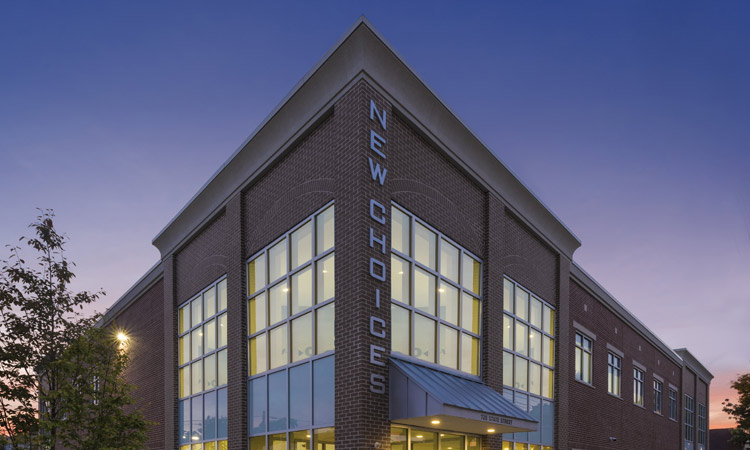
About New Choices Recovery Center OP 1
New Choices Recovery Center, formerly the Alcoholism and Substance Abuse Council of Schenectady County, is an outpatient clinic in Schenectady, NY offering outpatient program services alongside dedicated recovery peer advocacy and residential support. The center works with a wide range of populations — from adolescents and veterans to pregnant women and seniors — and maintains a continuum of care designed to support long-term recovery beyond initial treatment.
New Choices Recovery Center sits at 840 State Street in Schenectady, New York, operating as a community-rooted outpatient clinic with deep ties to the region it serves. Formerly known as the Alcoholism and Substance Abuse Council of Schenectady County, the center has carried forward that institutional knowledge into a program structure built for sustained recovery rather than crisis-only response. For individuals and families evaluating addiction treatment in the Schenectady area, this facility represents a locally embedded option with meaningful aftercare infrastructure.
The center's primary level of care is an Outpatient Program, which allows clients to engage in structured addiction treatment while maintaining their daily responsibilities. This outpatient model is well-suited for individuals transitioning from higher levels of care as well as those whose circumstances call for a community-based approach from the start. The program also addresses co-occurring disorders and dual diagnosis, trauma and PTSD, and gambling-related conditions — conditions that frequently accompany substance use and require integrated attention within any serious recovery plan.
Cognitive Behavioral Therapy (CBT) forms the therapeutic backbone of the center's clinical work, giving clients practical tools to identify and shift the thought patterns that drive addictive behavior. The aftercare infrastructure at New Choices is notably concrete: Recovery Peer Advocates are available to provide peer support, and the center offers residential support, MRT Permanent Supportive Housing, and a formal continuum of care — resources that extend well beyond the outpatient session itself. An Impaired Driver Program is also available, reflecting the center's role in court-ordered treatment pathways.
New Choices Recovery Center serves an unusually broad range of populations within a single outpatient setting: adolescents, young adults ages 18–25, veterans, pregnant women, seniors, men, women, individuals with HIV/AIDS, deaf and hard-of-hearing clients, and those referred through the court system. Payment access is equally broad, with Medicaid, private insurance, TRICARE, self-pay, sliding scale fees, financial assistance, and state insurance all accepted — removing common financial barriers for Schenectady-area residents seeking long-term recovery support.
Outpatient Program and Continuum of Care in Schenectady
New Choices Recovery Center delivers outpatient addiction treatment from its location at 840 State Street in Schenectady, NY. The outpatient program is designed for individuals who benefit from structured, clinician-guided treatment without requiring residential placement — and for those stepping down from more intensive levels of care who need continued support as they reintegrate into daily life.
What distinguishes the center's approach to long-term recovery is the continuum of care that extends past the clinical session. Residential support, MRT Permanent Supportive Housing, and a formal aftercare framework mean that a client's recovery community does not disappear when they complete a program phase. For families researching sober living connections and aftercare options in Schenectady County, these resources carry real weight.
Peer Support and Aftercare: Recovery Peer Advocates
New Choices Recovery Center formally integrates Recovery Peer Advocates into its service model — individuals with lived recovery experience who provide ongoing peer support to clients. This peer advocacy component bridges the gap between clinical treatment and everyday sober living, a gap that often determines whether long-term recovery holds.
For the recovery community audience, this distinction matters. Many outpatient programs end at the session door. The peer advocacy structure here, combined with residential support and a continuum of care framework, positions New Choices as a longer-term recovery partner rather than a single point of intervention.
Who New Choices Recovery Center Serves
The populations served at New Choices Recovery Center span nearly every demographic category that addiction treatment providers encounter. The center works with adolescents, young adults (18–25), veterans, pregnant women, seniors, men, women, individuals with HIV/AIDS, deaf and hard-of-hearing clients, and those referred through court orders — including the Impaired Driver Program. This breadth is uncommon in a single outpatient clinic setting and reflects the center's roots as a county-level resource.
Veterans in particular benefit from the acceptance of TRICARE as a payment method, alongside Medicaid, private insurance, state insurance, sliding scale fees, and financial assistance. For Schenectady-area residents who have delayed seeking substance abuse treatment due to cost concerns, the range of payment options reduces a significant barrier to entry.
Addressing Co-occurring Disorders and Trauma in Recovery
Substance use rarely arrives alone. New Choices Recovery Center directly addresses co-occurring disorders and dual diagnosis, trauma and PTSD, and gambling as conditions treated within the outpatient program — an acknowledgment that effective addiction treatment must account for the full picture of what a person is managing. Cognitive Behavioral Therapy (CBT) provides the clinical method for this work, helping clients build concrete coping strategies tied to identifiable thought and behavior patterns.
For individuals and families who have seen treatment attempts fall short because underlying trauma or mental health conditions were left unaddressed, the center's dual diagnosis capability is a meaningful part of the evaluation. Recovery that holds over time typically requires treating the whole person, and the program structure here reflects that reality.
Why Choose New Choices Recovery Center OP 1
- Recovery Peer Advocates provide ongoing peer support as a formal, structured aftercare resource — not an afterthought
- MRT Permanent Supportive Housing connects outpatient clients to stable housing as part of the recovery continuum
- Treats co-occurring disorders, trauma/PTSD, and gambling alongside substance use in a single outpatient program
- Serves one of the broadest population ranges of any outpatient clinic in the region, including veterans, adolescents, pregnant women, and deaf/hard-of-hearing clients
- Accepts TRICARE alongside Medicaid, private insurance, sliding scale, and financial assistance — making treatment accessible across income levels
Frequently Asked Questions
What level of care does New Choices Recovery Center offer?
New Choices Recovery Center operates as an outpatient clinic, offering an Outpatient Program as its primary level of care. This structure allows clients to participate in addiction treatment and recovery support while continuing to live at home or in supportive housing. It is appropriate both for those beginning their recovery journey and for individuals stepping down from more intensive treatment settings.
Does New Choices Recovery Center treat co-occurring mental health conditions?
Yes. The center treats co-occurring disorders and dual diagnosis, meaning clients dealing with both substance use and mental health conditions can receive integrated care within the outpatient program. Trauma and PTSD are also among the conditions specifically addressed, recognizing that unresolved trauma is frequently connected to substance use patterns.
What aftercare and sober living support does the center provide?
New Choices Recovery Center offers a formal continuum of care that includes Recovery Peer Advocates, residential support, and MRT Permanent Supportive Housing. These aftercare resources are designed to keep clients connected to the recovery community and stable housing after completing program phases, which is a critical factor in long-term recovery outcomes.
Who are Recovery Peer Advocates and what role do they play?
Recovery Peer Advocates are a structured component of New Choices Recovery Center's aftercare support model. They provide peer-based guidance and ongoing connection to individuals in recovery, drawing on lived experience to support clients navigating the challenges that come after formal treatment. This peer support layer complements the clinical services offered through the outpatient program.
What populations does New Choices Recovery Center work with?
The center serves a wide range of populations including adolescents, young adults (18–25), veterans, pregnant women, seniors, men, women, individuals with HIV/AIDS, deaf and hard-of-hearing clients, and people referred through the court system. This breadth of population-specific experience makes the center a versatile option for Schenectady-area residents across different life situations.
Does the center offer services for veterans?
Yes. Veterans are among the populations specifically served at New Choices Recovery Center, and the center accepts TRICARE as a payment method. The outpatient program and peer advocacy supports are available to veterans alongside all other eligible clients.
What payment options are accepted at New Choices Recovery Center?
The center accepts Medicaid, private insurance, TRICARE, self-pay and cash, sliding scale fees, financial assistance, and state insurance. This range of payment options is intended to reduce financial barriers for individuals and families in Schenectady seeking outpatient addiction treatment.
Is the center equipped to serve clients who are deaf or hard of hearing?
Yes. Deaf and hard-of-hearing individuals are among the populations specifically listed as served by New Choices Recovery Center, making it one of the more inclusive outpatient programs in the Schenectady area.
Does New Choices Recovery Center have an Impaired Driver Program?
Yes. An Impaired Driver Program is listed among the center's facility features, serving clients who are referred through court-ordered treatment processes. This program operates alongside the general outpatient treatment services available at the center.
What therapy approach is used in the outpatient program?
Cognitive Behavioral Therapy (CBT) is the confirmed therapeutic method used at New Choices Recovery Center. CBT is a structured approach that helps clients identify the thought patterns and behaviors that contribute to substance use and develop practical strategies to change them — a skill set that supports ongoing recovery well beyond the treatment setting.
Nearby Treatment Centers
New Choices Recovery Center OP
Schenectady, NY
- PHP
- IOP
- MAT
Substance use treatment · Cognitive behavioral therapy · Dialectical behavior therapy
Accepts: Cash or self-payment, Medicaid, State-financed health insurance plan other than Medicaid
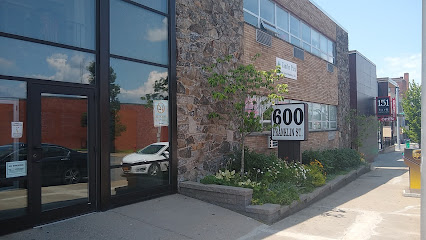
Conifer Park Inc Outpatient Clinic
Schenectady, NY
- IOP
- MAT
Substance use treatment · SAMHSA-certified Opioid Treatment Program · Cognitive behavioral therapy
Accepts: Cash or self-payment, Medicaid, Medicare
Conifer Park Inc OTP 3
Schenectady, NY
- IOP
- MAT
Substance use treatment · SAMHSA-certified Opioid Treatment Program · Cognitive behavioral therapy
Accepts: Cash or self-payment, Medicaid, Medicare

Saint Peters Hospital City of Albany Saint Peters Hospital Outpatient 2
Schenectady, NY
- IOP
- MAT
Substance use treatment · Accepts clients on opioid medication but prescribed elsewhere · Cognitive behavioral therapy
Accepts: Cash or self-payment, Medicaid, State-financed health insurance plan other than Medicaid
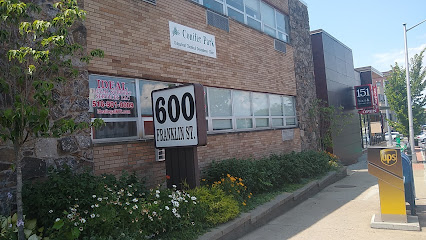
Conifer Park Inc MSW IP
Schenectady, NY
- Detox
- Residential
- MAT
SAMHSA-certified Opioid Treatment Program · Cognitive behavioral therapy · Dialectical behavior therapy
Accepts: Cash or self-payment, Medicaid, State-financed health insurance plan other than Medicaid
Conifer Park Inc IP
Schenectady, NY
- Residential
- MAT
Substance use treatment · SAMHSA-certified Opioid Treatment Program · Cognitive behavioral therapy
Accepts: Cash or self-payment, Medicaid, State-financed health insurance plan other than Medicaid