

At a Glance
Location
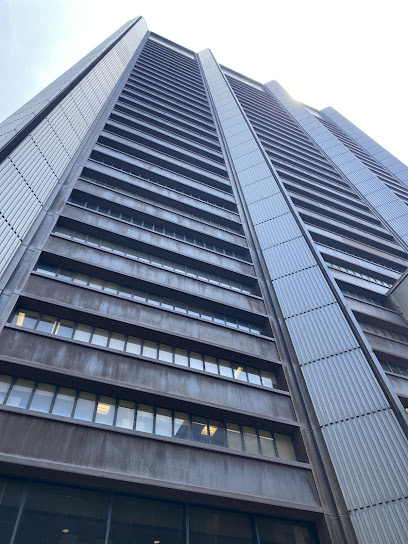
10 Nathan D Perlman Place, New York, NY 10003
Phone
212-420-4220Primary Focus
Treatment Settings
Treatment Approaches
Special Programs
About Mt Sinai Beth Israel Medical Center MMD
Mt Sinai Beth Israel Medical Center MMD provides medical detox and residential treatment through a hospital-based addiction treatment program in New York. The facility offers specialized care for individuals with co-occurring disorders and dual diagnosis, serving as a comprehensive recovery center within the Mount Sinai health system.
Mt Sinai Beth Israel Medical Center MMD operates as a hospital-based addiction treatment facility in Manhattan's Lower East Side, providing medical detox and residential treatment services. As part of the Mount Sinai health system, this recovery center brings hospital-level medical expertise to substance abuse treatment, operating 24 hours daily to serve the New York recovery community.
The facility offers both medical detox and residential treatment programs, creating a comprehensive pathway from withdrawal management through extended residential care. Their dual diagnosis capabilities make this recovery center particularly valuable for individuals managing both addiction and mental health conditions simultaneously. The residential treatment program allows patients to transition seamlessly from detox into longer-term recovery work within the same facility.
Treatment approaches center around Cognitive Behavioral Therapy (CBT), focusing on practical skills development and thought pattern modification. The hospital setting provides medical oversight throughout the recovery process, while the residential component allows for extended therapeutic work beyond initial stabilization. This combination supports both immediate safety and longer-term recovery skill building.
The program serves men and women, with specialized accommodations for deaf and hard of hearing individuals, demonstrating commitment to accessibility within the recovery community. Joint Commission accreditation ensures quality standards, while comprehensive insurance coverage including Medicaid, Medicare, and major private carriers makes treatment accessible. The facility's location within a major medical center provides resources that standalone rehab facilities cannot match.
Medical Detox and Residential Treatment Programs
Mt Sinai Beth Israel Medical Center MMD provides both medical detox and residential treatment, creating a comprehensive continuum of care for individuals beginning their recovery journey. The medical detox program operates within a full-service hospital environment, ensuring 24-hour medical supervision and access to specialized medical interventions when needed during withdrawal management.
Following detox completion, patients can transition directly into the residential treatment program without changing facilities or treatment teams. This seamless progression eliminates common gaps in care that can compromise early recovery, allowing individuals to build on the therapeutic relationships and treatment plans established during detox. The residential component extends the recovery process beyond medical stabilization, incorporating structured therapeutic programming and skill development essential for long-term sobriety.
Dual Diagnosis and Co-occurring Disorder Treatment
The facility specializes in treating individuals with co-occurring disorders and dual diagnosis conditions, recognizing that many people entering addiction treatment also manage mental health challenges. This specialized focus ensures that both addiction and psychiatric symptoms receive simultaneous, coordinated treatment rather than addressing these interconnected issues separately.
Treatment teams coordinate psychiatric care with addiction treatment, creating integrated treatment plans that address the complex interactions between mental health symptoms and substance use patterns. This comprehensive approach is particularly important for long-term recovery success, as untreated mental health conditions often contribute to relapse risk and recovery challenges.
CBT-Based Treatment Approach and Recovery Methods
Cognitive Behavioral Therapy (CBT) forms the foundation of the therapeutic approach at Mt Sinai Beth Israel MMD. CBT focuses on identifying and modifying thought patterns and behaviors that contribute to substance use, providing practical tools for managing triggers, cravings, and high-risk situations that patients will encounter throughout their recovery journey.
The hospital setting allows for intensive CBT implementation, with patients participating in individual and group therapy sessions while maintaining medical stability. This combination of medical oversight and therapeutic intervention creates a comprehensive treatment environment that addresses both the physical and psychological aspects of addiction recovery.
Insurance Coverage and Payment Options
Mt Sinai Beth Israel MMD accepts comprehensive insurance coverage including Medicaid, Medicare, TRICARE, and major private insurance carriers such as Aetna, Blue Cross Blue Shield, Cigna, UnitedHealthcare, Anthem, and Wellcare. This extensive insurance acceptance makes quality hospital-based addiction treatment accessible to a broad range of individuals seeking recovery services.
Additional payment options include self-pay arrangements, sliding scale fees based on financial need, and state insurance programs. The facility works with patients and families to identify coverage options and create payment arrangements that make treatment financially feasible, removing financial barriers to accessing quality addiction treatment and recovery services.
Why Choose Mt Sinai Beth Israel Medical Center MMD
- Hospital-based medical detox with 24/7 physician oversight and medical center resources
- Seamless transition from medical detox to residential treatment within the same facility
- Specialized dual diagnosis program for co-occurring mental health and addiction disorders
- Accessibility services for deaf and hard of hearing recovery community members
- Joint Commission accreditation ensuring hospital-level quality standards for addiction treatment
Frequently Asked Questions
What levels of care does Mt Sinai Beth Israel MMD provide?
The facility offers medical detox and residential treatment programs. Medical detox provides 24-hour medical supervision during withdrawal management, while residential treatment offers extended therapeutic programming for continued recovery work within the same hospital-based setting.
Does the facility treat co-occurring mental health and addiction disorders?
Yes, Mt Sinai Beth Israel MMD specializes in dual diagnosis treatment for individuals with co-occurring disorders. The program provides integrated care that simultaneously addresses both addiction and mental health conditions through coordinated treatment planning.
What therapeutic approaches are used in treatment?
The facility utilizes Cognitive Behavioral Therapy (CBT) as its primary therapeutic method. CBT focuses on identifying and changing thought patterns and behaviors that contribute to substance use, providing practical skills for long-term recovery success.
Who can receive treatment at this facility?
The program serves both men and women, with specialized accommodations available for deaf and hard of hearing individuals. The facility particularly serves those with co-occurring disorders who need both medical oversight and psychiatric care coordination.
What insurance is accepted for addiction treatment?
Mt Sinai Beth Israel MMD accepts Medicaid, Medicare, TRICARE, and major private insurance including Aetna, Blue Cross Blue Shield, Cigna, UnitedHealthcare, Anthem, and Wellcare. Self-pay, sliding scale fees, and state insurance options are also available.
Is the facility accredited for addiction treatment?
Yes, Mt Sinai Beth Israel MMD holds Joint Commission (JCAHO) accreditation, ensuring that addiction treatment services meet rigorous quality and safety standards. This accreditation provides assurance of clinical excellence and regulatory compliance.
How does the hospital setting benefit addiction treatment?
The hospital-based program provides 24-hour medical supervision, immediate access to medical interventions, and comprehensive medical resources during both detox and residential treatment. This setting ensures medical safety while allowing for intensive therapeutic programming.
Can patients transition between levels of care within the facility?
Yes, patients can move seamlessly from medical detox to residential treatment within the same facility and treatment team. This continuity eliminates gaps in care and maintains therapeutic relationships established during the initial treatment phase.
Nearby Treatment Centers

Beth Israel Medical Center OP
New York, NY
- Detox
- IOP
- MAT
Substance use treatment · Accepts clients on opioid medication but prescribed elsewhere · SAMHSA-certified Opioid Treatment Program
Accepts: Cash or self-payment, Medicaid, Medicare
Stuyvesant Square CD Treatment Program Inpatient rehab
New York, NY
- Residential
- MAT
Substance use treatment · Accepts clients on opioid medication but prescribed elsewhere · Cognitive behavioral therapy
Accepts: Cash or self-payment, Medicaid, Medicare
Mount Sinai Beth Israel
New York, NY
- Detox
- IOP
- MAT
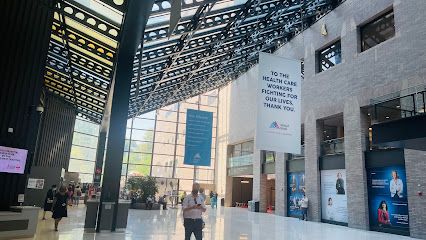
Substance use treatment · Accepts clients on opioid medication but prescribed elsewhere · SAMHSA-certified Opioid Treatment Program
Accepts: Cash or self-payment, Medicaid, Medicare
Beth Israel Medical Center OP R
New York, NY
- Detox
- PHP
- IOP
- MAT
Substance use treatment · Accepts clients on opioid medication but prescribed elsewhere · SAMHSA-certified Opioid Treatment Program
Accepts: Cash or self-payment, Medicaid, Medicare
Saint Marks Place Institute for MH Inc
New York, NY
- Detox
- Outpatient
- MAT
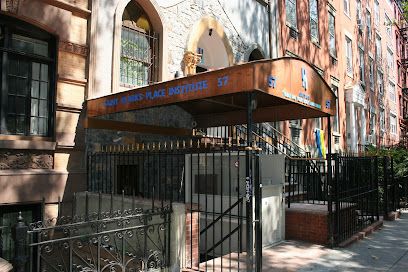
Substance use treatment · Cognitive behavioral therapy · Dialectical behavior therapy
Accepts: Cash or self-payment, Medicaid, Medicare

Mount Sinai Beth Israel OTP Clinic 2C
New York, NY
- Outpatient
- MAT
Substance use treatment · All Clients in Opioid Treatment Program · SAMHSA-certified Opioid Treatment Program
Accepts: Cash or self-payment, Medicaid, Private health insurance