

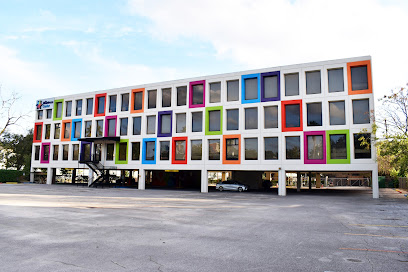
At a Glance
Primary Focus
Treatment Settings
Treatment Approaches
Special Programs
About Montrose Center
The Montrose Center in Houston, TX is an outpatient addiction treatment center with one of the most comprehensive arrays of counseling services among LGBTQ+ centers in the nation. Offering both an Outpatient Program and Intensive Outpatient Program (IOP), the center specializes in serving LGBTQ+ individuals alongside other underserved populations navigating substance use recovery and co-occurring disorders.
Located at 401 Branard Street in Houston's Montrose neighborhood, the Montrose Center is an outpatient clinic that has built a national reputation for LGBTQ+-affirming substance use recovery services. The center operates as a community anchor in Harris County, providing addiction treatment within a broader framework that recognizes the full identities of the people it serves — because, as the center's own program philosophy puts it, recovery demands complete honesty about who you are and what triggers your use.
The center offers two primary levels of outpatient care for adults working toward sustained recovery: a standard Outpatient Program and an Intensive Outpatient Program (IOP). The IOP structure allows clients to engage in more frequent, structured treatment sessions while maintaining their daily lives — a format well-suited to people transitioning from higher levels of care or those whose schedules require flexibility. Both tracks address substance use alongside co-occurring mental health conditions, including trauma and PTSD, making the center a dual-diagnosis-capable recovery resource.
Cognitive Behavioral Therapy (CBT) is the confirmed therapeutic foundation of the center's clinical work. CBT gives clients practical tools to identify and shift the thought patterns driving substance use — a method that translates well into long-term recovery maintenance. The center's WAY OUT Recovery program is specifically designed with LGBTQ+ individuals in mind, acknowledging that identity-specific stressors and social factors are directly relevant to understanding and sustaining recovery.
The Montrose Center serves a notably broad range of populations, including LGBTQ+ individuals, pregnant women, seniors and older adults, people living with HIV/AIDS, and Deaf and hard-of-hearing clients. Services are available in English, Mandarin Chinese, and Portuguese. Payment options include Medicaid, Medicare, TRICARE, private insurance, state insurance, self-pay, sliding scale fees, and financial assistance — reducing financial barriers for those pursuing outpatient treatment or longer-term recovery support.
LGBTQ+-Affirming Outpatient Rehab and Recovery in Houston
The Montrose Center occupies a distinct place in Houston's addiction treatment landscape. While many recovery centers serve the general population, the Montrose Center has built its substance use programs around a foundational belief: that recovery requires complete honesty about who you are. For LGBTQ+ individuals, that means working with clinicians and peers who understand identity-specific stressors, community pressures, and the relationship between those experiences and substance use.
The center's WAY OUT Recovery program reflects this philosophy directly. Rather than asking clients to set aside their identities at the door, the program integrates them into the recovery process. That approach distinguishes the Montrose Center from general outpatient programs and makes it a recognized resource for LGBTQ+ individuals seeking affirming addiction treatment in the Houston area and beyond.
Outpatient Program and IOP: Flexible Levels of Care for Ongoing Recovery
The Montrose Center offers two outpatient levels of care: a standard Outpatient Program and an Intensive Outpatient Program (IOP). The IOP is structured for clients who need more consistent support — whether they are stepping down from residential treatment, managing a dual diagnosis, or navigating early recovery while maintaining work or family responsibilities. Both levels of care are well-suited to people pursuing sustained recovery rather than acute stabilization.
Cognitive Behavioral Therapy (CBT) anchors the clinical work across programs. CBT helps clients build practical awareness of the thoughts and behaviors connected to their substance use — skills that support not just initial recovery but long-term sobriety maintenance. For clients also managing trauma, PTSD, or other co-occurring conditions, the center's dual-diagnosis approach means both concerns are addressed within the same treatment setting.
Who the Montrose Center Serves
The Montrose Center's outpatient programs are designed to serve people who are often underserved by mainstream treatment settings. In addition to LGBTQ+ adults, the center works with pregnant women, seniors and older adults, individuals living with HIV/AIDS, and Deaf and hard-of-hearing clients. This breadth reflects a commitment to reaching people whose identities and circumstances require more than a one-size-fits-all treatment model.
Language access is part of that commitment. The center provides services in English, Mandarin Chinese, and Portuguese, helping reduce barriers for non-English-speaking clients seeking substance abuse treatment in Houston. The center also hosts affordable rental space for meetings and events, reinforcing its role as a community hub — not just a clinical provider — within Houston's recovery landscape.
Payment Options and Accessing Care
Cost should not be the reason someone delays addiction treatment, and the Montrose Center has structured its payment options accordingly. The center accepts Medicaid, Medicare, TRICARE, private insurance, and state insurance, and also offers self-pay, sliding scale fees, and financial assistance for those who qualify. This range of options makes the center accessible to a wide cross-section of Houston residents pursuing outpatient recovery support.
The center operates Monday through Thursday from 8:00 AM to 6:15 PM, Friday from 8:00 AM to 5:00 PM, and is closed on weekends. A 24-hour helpline is available for those who need to connect outside of office hours. To learn more or begin the process, call the Montrose Center directly at (713) 529-0037 or visit montrosecenter.org.
Why Choose Montrose Center
- One of the most comprehensive LGBTQ+-affirming substance use recovery programs among LGBTQ+ community centers in the nation
- WAY OUT Recovery program built specifically around identity-honest, LGBTQ+-centered addiction treatment
- Dual-diagnosis capable outpatient treatment addressing both substance use and co-occurring trauma or PTSD
- Exceptionally broad population access: serves LGBTQ+ individuals, pregnant women, seniors, HIV/AIDS-affected clients, and Deaf/hard-of-hearing clients
- Wide payment access including Medicaid, Medicare, TRICARE, sliding scale, and financial assistance — with services in English, Mandarin, and Portuguese
Frequently Asked Questions
What levels of care does the Montrose Center offer for addiction treatment?
The Montrose Center offers two outpatient levels of care: a standard Outpatient Program and an Intensive Outpatient Program (IOP). These programs are designed for individuals who are building or maintaining longer-term recovery while continuing their daily responsibilities. The IOP provides more frequent structured support, making it a strong option for people stepping down from higher levels of care or managing co-occurring conditions alongside substance use.
Is the Montrose Center specifically designed for LGBTQ+ individuals in recovery?
Yes. The Montrose Center's WAY OUT Recovery program is built around the understanding that recovery requires complete honesty about who you are — including your identity. The center is recognized as having one of the most comprehensive arrays of counseling services among LGBTQ+ centers in the nation. LGBTQ+ individuals are a primary population served, though the center also serves other underserved groups.
Does the Montrose Center treat co-occurring mental health conditions alongside addiction?
Yes. The center is equipped to treat co-occurring disorders and dual diagnosis, including trauma and PTSD, alongside substance use. This means clients do not need to seek separate settings for mental health and addiction treatment. Cognitive Behavioral Therapy (CBT) is the confirmed therapeutic method used in clinical programming.
What populations does the Montrose Center serve?
Beyond its LGBTQ+-affirming programs, the Montrose Center serves pregnant women, seniors and older adults, individuals living with HIV/AIDS, and Deaf and hard-of-hearing clients. This breadth reflects the center's mission to reach people who are frequently underserved by mainstream addiction treatment settings in Houston.
What payment options are accepted at the Montrose Center?
The Montrose Center accepts Medicaid, Medicare, TRICARE, private insurance, and state insurance. For those without insurance coverage, the center also offers self-pay options, a sliding scale fee structure, and financial assistance. This range of payment methods is designed to reduce financial barriers to outpatient addiction treatment.
What languages are services available in at the Montrose Center?
The Montrose Center provides services in English, Mandarin Chinese, and Portuguese. This multilingual capacity helps the center serve a more diverse population of Houston residents seeking substance abuse treatment and recovery support.
What are the Montrose Center's hours for outpatient treatment?
The center's clinical hours are Monday through Thursday from 8:00 AM to 6:15 PM and Friday from 8:00 AM to 5:00 PM. The center is closed on Saturday and Sunday. A 24-hour helpline is available for individuals who need to connect outside of regular office hours.
Where is the Montrose Center located?
The Montrose Center is located at 401 Branard Street, 2nd Floor, Houston, TX 77006, in Harris County. The center is situated in the Montrose neighborhood and serves as both a clinical outpatient facility and a community hub, with affordable rental space available for recovery-related meetings and events.
Does the Montrose Center offer any community or peer support resources?
The center operates as a broader community resource, not just a clinical provider. It offers affordable rental space for meetings and events, which supports peer-led recovery groups and community gatherings. This community-centered structure aligns with the center's role as a recovery community hub within Houston.
How do I get started with addiction treatment at the Montrose Center?
You can reach the Montrose Center by calling (713) 529-0037 during business hours, or by visiting their website at montrosecenter.org. A 24-hour helpline is also available for those who need to connect outside of the center's standard operating hours.
Nearby Treatment Centers
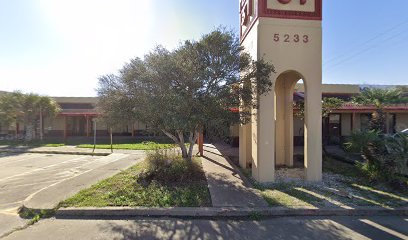
Toxicology Associates Inc
Houston, TX
- Outpatient
- MAT
Substance use treatment · All Clients in Opioid Treatment Program · SAMHSA-certified Opioid Treatment Program
Accepts: Cash or self-payment
Set Free DAT Center
Houston, TX
- PHP
- IOP
Substance use treatment · Does not treat opioid addiction · Does not use medication for opioid addiction
Accepts: Cash or self-payment, Medicaid, Medicare

Career and Recovery Resources Inc San Jacinto Street
Houston, TX
- IOP
Substance use treatment · Accepts clients on opioid medication but prescribed elsewhere · Cognitive behavioral therapy
Accepts: Cash or self-payment, Medicaid, Sliding fee scale

Center for Recovering Families at The Council on Recovery
Houston, TX
- IOP
Substance use treatment · Accepts clients on opioid medication but prescribed elsewhere · Cognitive behavioral therapy
Accepts: Cash or self-payment, Medicaid, Medicare

El Dorado Texas Community Services Durham Drive Health Services
Houston, TX
- Detox
- Outpatient
- MAT
Substance use treatment · All Clients in Opioid Treatment Program · Cognitive behavioral therapy
Accepts: Cash or self-payment, Medicaid, State-financed health insurance plan other than Medicaid
Assoc for the Adv of Mexican Amer Inc (AAMA)/Project Tejas
Houston, TX
- IOP
Substance use treatment · Does not use medication for opioid addiction · Accepts clients on opioid medication but prescribed elsewhere
Accepts: Cash or self-payment, Medicaid, State-financed health insurance plan other than Medicaid