

 1 / 3
1 / 3At a Glance
Primary Focus
Treatment Settings
Treatment Approaches
Special Programs
About Middlesex Human Service Agency Inc Answer House Recovery Home
Middlesex Human Service Agency (MHSA) is a Boston-based substance use treatment organization offering residential treatment for men, including those with co-occurring disorders. Rooted in decades of community-based recovery work throughout Greater Boston, MHSA accepts Medicaid and state insurance, making long-term residential care accessible to those who need it most.
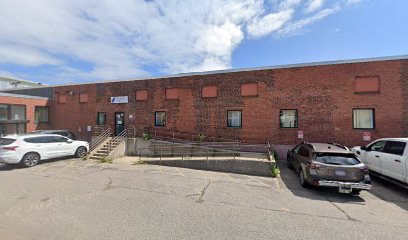
Middlesex Human Service Agency, Inc. (MHSA) is a substance use treatment provider located at 5 G Street in Boston, Massachusetts. Part of a broader network of community-based programs throughout Greater Boston, MHSA has deep roots in addiction recovery services — born from a group of addiction professionals who originally launched the Middlesex Regional Alcoholism Treatment Center before expanding into the multi-program agency it is today.
The centerpiece of MHSA's addiction treatment offering is residential treatment, a level of care designed for individuals who need sustained, structured support as they work toward lasting recovery. Residential treatment at MHSA goes beyond short-term stabilization — it provides men the time and environment needed to address the full scope of their substance use and mental health challenges over an extended stay.
Cognitive Behavioral Therapy (CBT) is a core therapeutic method used within MHSA's residential program. CBT equips residents with practical tools to identify and shift the thought patterns and behaviors that fuel addiction, making it a well-suited approach for men navigating co-occurring mental health conditions alongside substance use. The program's ability to treat co-occurring disorders and dual diagnosis is a defining feature of the clinical work done here.
MHSA's residential program is specifically structured to serve men, including those entering treatment through court-ordered referrals. This focus allows the program to address the distinct recovery needs of this population in a consistent setting. Medicaid and state insurance are accepted, removing a significant financial barrier for men seeking residential addiction treatment in the Boston area who may not have private coverage.
Residential Treatment for Men in Boston
MHSA's residential treatment program provides men with an immersive recovery environment in Boston's South Boston neighborhood. Unlike outpatient settings where clients return home each evening, residential treatment at MHSA keeps men engaged in their recovery around the clock — a level of intensity well suited to those managing serious substance use and co-occurring mental health conditions.
The residential model is particularly valuable for men who have found shorter or less intensive interventions insufficient. Extended time in a structured treatment environment allows the clinical work — including Cognitive Behavioral Therapy — to take root before residents reintegrate into daily life. For men referred through the court system, this residential structure also meets the requirements of court-ordered treatment mandates.
Treating Co-Occurring Disorders in Recovery
A meaningful portion of men entering substance use treatment are also managing mental health conditions — a clinical reality that MHSA directly addresses. The residential program is equipped to treat co-occurring disorders and dual diagnosis, recognizing that lasting recovery depends on addressing both substance use and the mental health challenges that often accompany it.
Cognitive Behavioral Therapy is central to this dual-focus approach. CBT is widely used in co-occurring disorder treatment because it targets the overlapping thought patterns and behavioral responses that connect addiction and mental health struggles. For men in MHSA's residential program, this method provides a practical framework for building recovery skills that apply to both dimensions of their care.
Paying for Residential Treatment at MHSA
Financial barriers are among the most common reasons people delay or avoid addiction treatment. MHSA accepts Medicaid and state insurance, two of the primary coverage sources for men in Massachusetts who are seeking residential substance abuse treatment but do not have employer-sponsored or private health insurance.
Prospective residents and their families can contact MHSA directly at (617) 268-7124 to discuss coverage options and begin the admissions process. Accepting publicly funded insurance reflects MHSA's broader mission as a community-based organization committed to making recovery accessible throughout Greater Boston.
A Recovery Organization Rooted in Greater Boston
MHSA did not begin as a corporate treatment brand — it grew out of a grassroots effort by addiction professionals who identified a gap in community-based recovery services and built an organization to fill it. What began as the Middlesex Regional Alcoholism Treatment Center eventually evolved into MHSA, an agency that now provides shelter, nutrition, and recovery programs throughout Greater Boston.
That community orientation shapes the culture of MHSA's residential program. Men in treatment here are engaging with an organization that has long been embedded in the fabric of Boston's recovery community — not a facility that exists in isolation from the neighborhoods and people it serves.
Why Choose Middlesex Human Service Agency Inc Answer House Recovery Home
- Residential treatment specifically designed for men, including court-ordered referrals
- Integrated co-occurring disorder and dual diagnosis treatment within a residential setting
- Cognitive Behavioral Therapy (CBT) as a defined clinical method — not just a listed amenity
- Community-rooted organization with a history of recovery and social services throughout Greater Boston
- Medicaid and state insurance accepted, broadening access for men who lack private coverage
Frequently Asked Questions
What level of care does MHSA offer for addiction treatment?
MHSA offers residential treatment, which provides men with an extended, immersive recovery experience. This level of care is designed for individuals who need more support than outpatient programs can provide and who benefit from a sustained focus on their recovery over time.
Who is the residential treatment program at MHSA designed to serve?
The residential program at MHSA specifically serves men, including those who are entering treatment through court-ordered referrals. This population-focused approach allows the program to address the recovery needs of this group in a consistent clinical environment.
Does MHSA treat co-occurring mental health conditions alongside substance use?
Yes. MHSA's residential program is equipped to treat co-occurring disorders and dual diagnosis. This means the clinical team addresses both substance use and mental health conditions together, which is an important feature for men whose recovery involves both dimensions.
What therapy methods are used in MHSA's residential treatment program?
Cognitive Behavioral Therapy (CBT) is a confirmed therapeutic method used within MHSA's residential program. CBT helps residents identify and change the thought patterns and behaviors connected to substance use and is widely used in co-occurring disorder treatment.
Does MHSA accept Medicaid or state insurance?
Yes. MHSA accepts both Medicaid and state insurance. This makes residential treatment accessible to men in the Boston area who rely on publicly funded coverage rather than private health insurance.
Where is MHSA located?
MHSA is located at 5 G Street in Boston, Massachusetts, 02127, in Suffolk County. The organization also operates community-based programs throughout Greater Boston.
How can I contact MHSA to inquire about the residential treatment program?
You can reach Middlesex Human Service Agency by phone at (617) 268-7124. The team can provide information about the residential program, admissions, and insurance coverage options.
Is MHSA only a treatment facility, or does it provide broader community services?
MHSA operates as a broader community-based organization offering shelter, nutrition, and recovery programs throughout Greater Boston. Its substance use treatment residential program is one component of a larger mission focused on serving people in need across the region.
Can someone enter MHSA's residential program through a court order?
Yes. MHSA's residential program serves men who are court-ordered into treatment, in addition to those seeking care voluntarily. This makes the program a viable option for individuals whose treatment is part of a legal or judicial process.
Nearby Treatment Centers
Gavin Foundation Gavin House
Boston, MA
- Residential
- Sober Living
Substance use treatment · Accepts clients on opioid medication but prescribed elsewhere · Cognitive behavioral therapy
Accepts: Cash or self-payment, State-financed health insurance plan other than Medicaid, Sliding fee scale
BPHC Substance Abuse Prevention and Treatment Services Satellite
Boston, MA
- Outpatient
Substance use treatment · Accepts clients on opioid medication but prescribed elsewhere · Cognitive behavioral therapy
Accepts: Medicaid, Medicare, State-financed health insurance plan other than Medicaid

Gavin Foundation Center for Recovery Services
Boston, MA
- IOP
- MAT
Substance use treatment · Cognitive behavioral therapy · Substance abuse counseling
Accepts: Cash or self-payment, Medicaid, State-financed health insurance plan other than Medicaid
Gavin Foundation Cushing House/Male and Female Prog
Boston, MA
- Residential
- Sober Living
Substance use treatment · Accepts clients on opioid medication but prescribed elsewhere · Substance abuse counseling
Accepts: Cash or self-payment, Medicaid, Sliding fee scale
Habit OPCO Boston CTC
Boston, MA
- Detox
- Outpatient
- MAT
Substance use treatment · All Clients in Opioid Treatment Program · SAMHSA-certified Opioid Treatment Program
Accepts: Cash or self-payment, Medicaid, State-financed health insurance plan other than Medicaid
Sidney Borum Jr Health Center A Program of Fenway Health
Boston, MA
- Outpatient
Substance use treatment · Accepts clients on opioid medication but prescribed elsewhere · Cognitive behavioral therapy
Accepts: Cash or self-payment, Medicaid, Medicare